SPC and LVT are both types of luxury vinyl flooring, but SPC has a rigid, stone-based core while LVT is thinner and more flexible. SPC tends to suit busy, damp or uneven rooms, while LVT often feels warmer and softer underfoot. The right choice depends on the room, and our team can help you compare both at home.
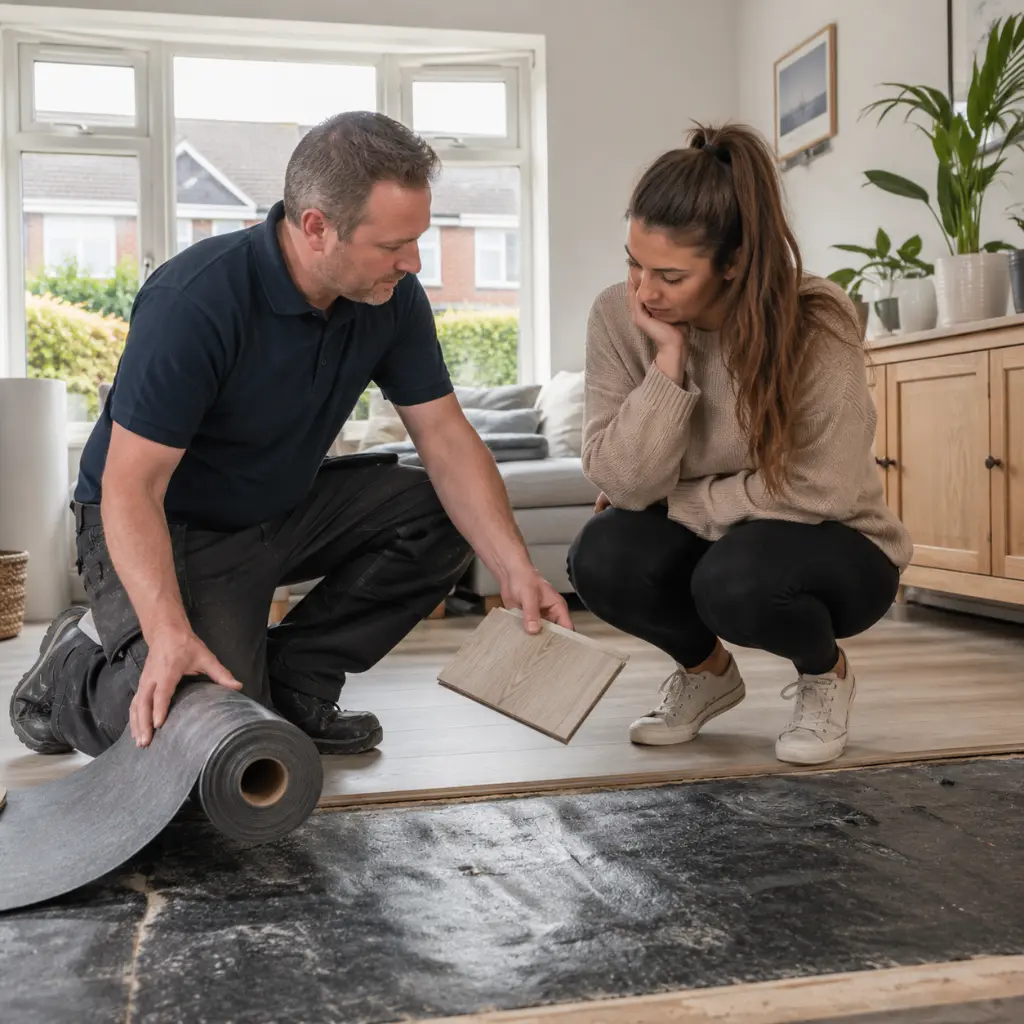
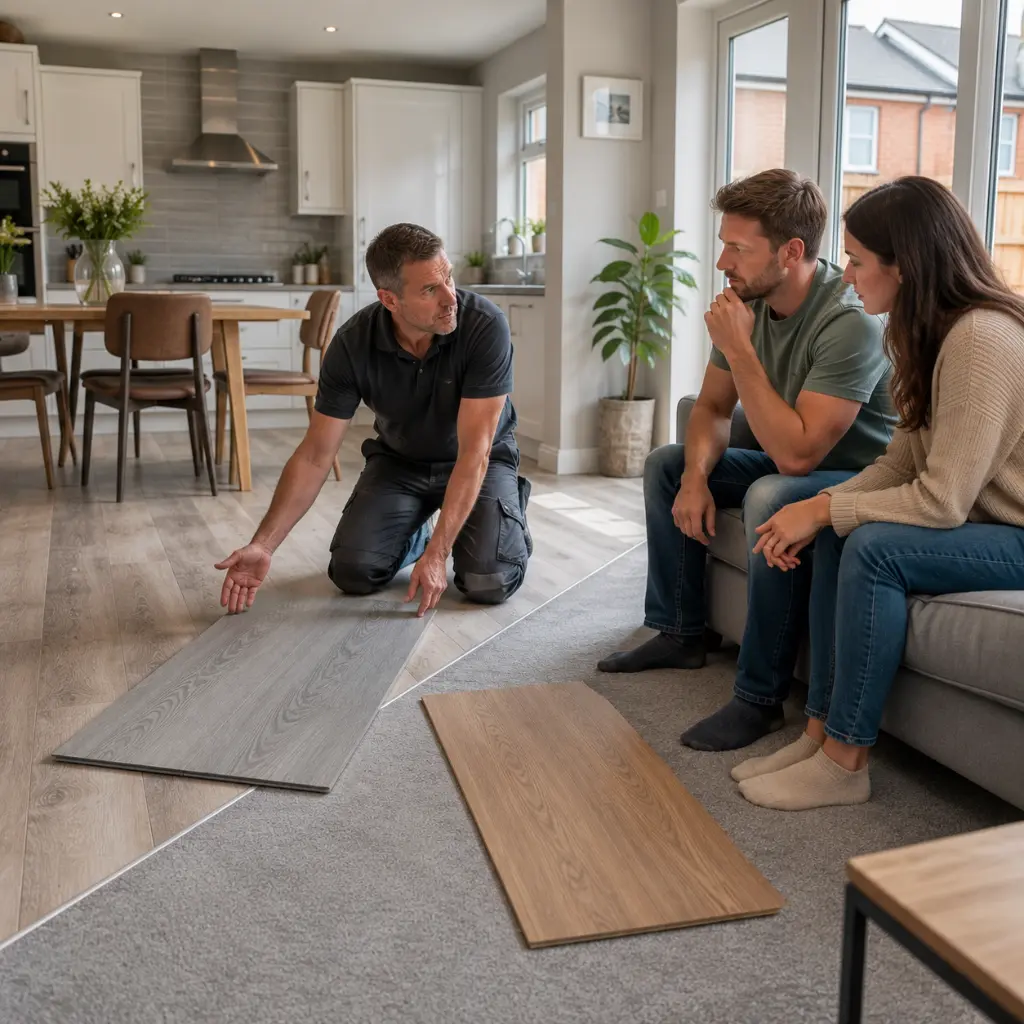
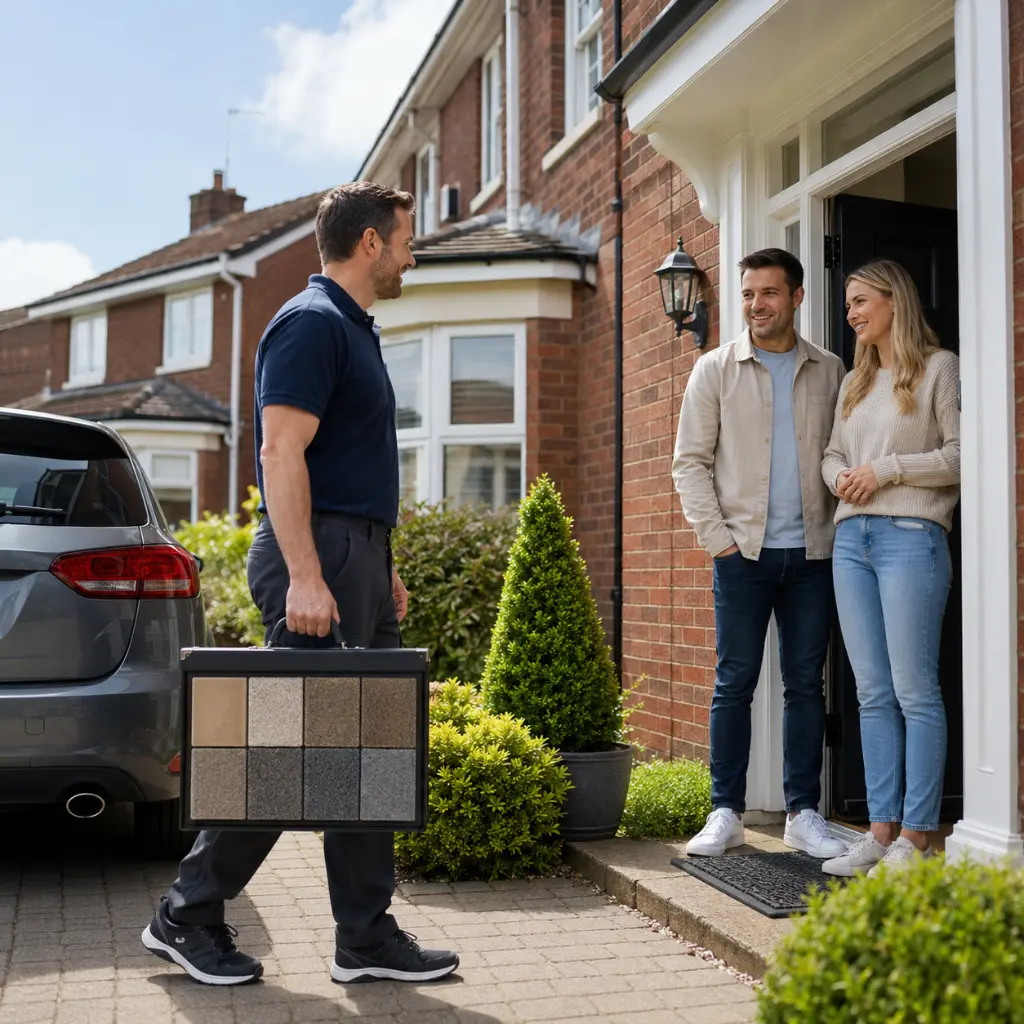
If you have been researching new vinyl flooring, you have probably run into two sets of letters over and over, SPC and LVT. They look nearly identical once fitted, so the SPC vs LVT question trips up a lot of homeowners. If you would like to compare them with samples brought to you, our flooring service across Rotherham can bring both to the room they are meant for.
The good news is that neither is a wrong answer. It is more about matching the right one to how you live. This guide explains what sets them apart and where each one works best.
LVT stands for luxury vinyl tile, a flexible vinyl floor that copies the look of real wood or stone. Made with several protective layers, it features a realistic printed design topped with a clear wear layer to resist scratches and scuffs.
Because the core is flexible, LVT feels a little softer and warmer underfoot than harder floors. It can be glued down or fitted with a click-together system, and it suits most rooms in a typical home.
SPC stands for stone plastic composite, and it is a type of rigid core luxury vinyl flooring. The difference sits in the core, which blends limestone powder with PVC to form a dense, rigid board. You will often hear it called rigid core flooring for that reason.
That solid core is what gives SPC its character. Many ranges also arrive with a thin underlay already attached, which is the cushioning layer that adds warmth and helps soften sound underfoot.
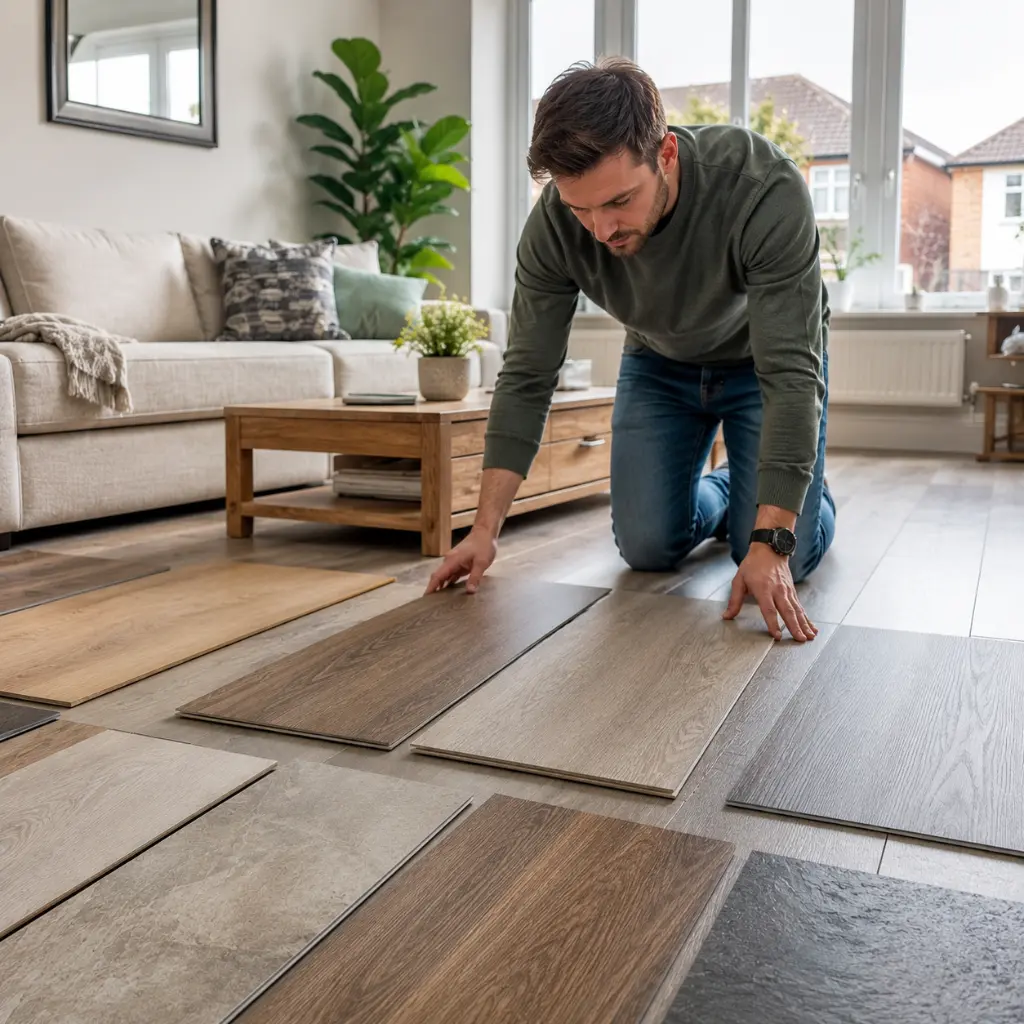
SPC's rigid core brings a few practical advantages that come up again and again on jobs. Its dimensional stability means it barely reacts to changes in temperature, which suits centrally heated homes and sunny rooms.
The dense core also resists dents from heavy furniture and constant footfall, so it holds up well in busy households. Because the boards are rigid, they can tolerate minor imperfections in the subfloor better than flexible LVT. In upstairs rooms and flats, a range with acoustic backing can help reduce noise for the room below.
On the surface, these two can look the same, but they behave differently once they are down. Here is where the difference between SPC and LVT flooring actually shows.
LVT has a little give to it, so it tends to feel softer and slightly warmer. SPC is firmer because of its rigid core, though an underlay can take the edge off. For barefoot comfort in a bedroom, LVT often has the advantage.
SPC is generally more forgiving of minor subfloor imperfections, although a level, properly prepared subfloor is still recommended. Flexible LVT, especially the glue-down kind, needs a very smooth, level subfloor, or small flaws can show through the surface.
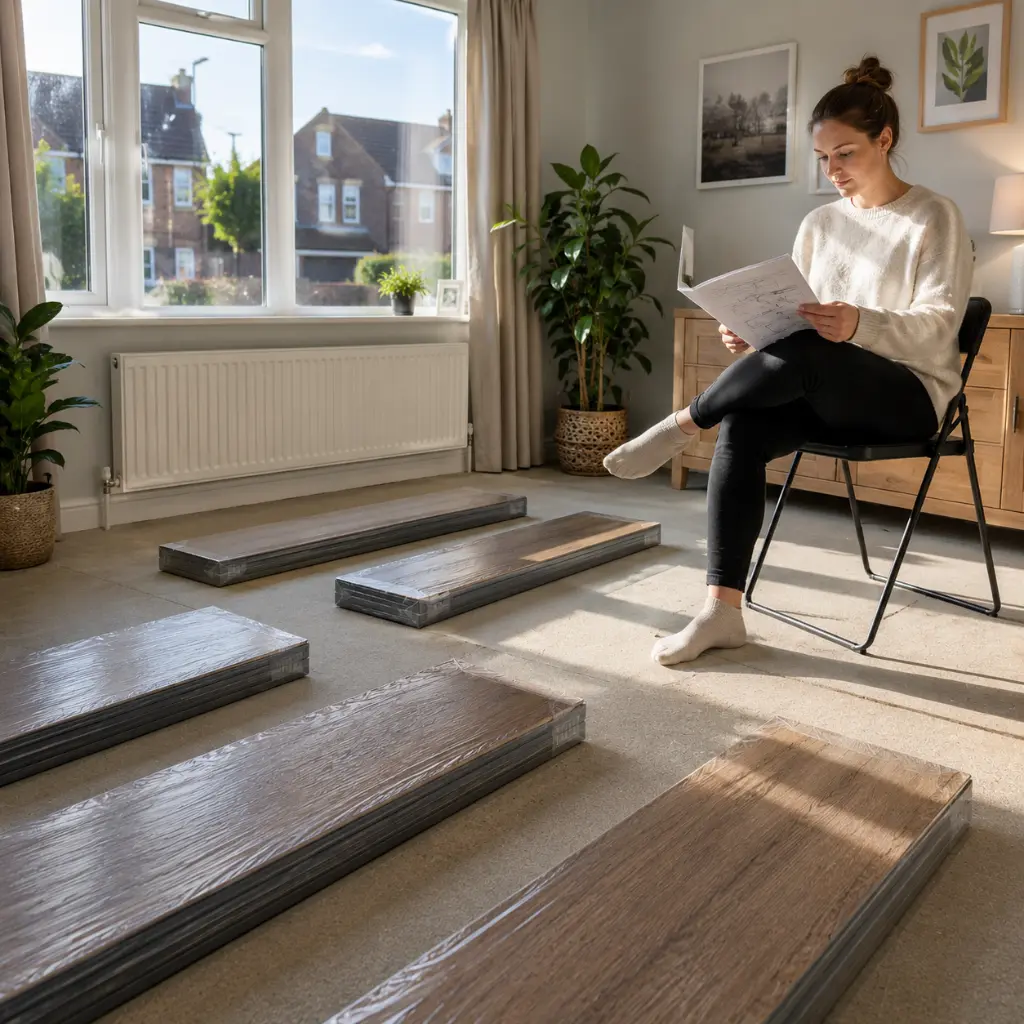
And if laminate is still in the running alongside SPC and LVT, it's worth remembering that laminate needs time to acclimatise before fitting, to help reduce the risk of gaps, buckling and lifting something neither SPC nor LVT requires.
Both handle spills well, which is why vinyl is a favourite in kitchens and bathrooms. SPC's stone-based core makes it especially water-resistant and stable in damp, humid rooms. LVT copes with moisture too, though it performs best over a well-prepared subfloor.
Both offer an affordable alternative to real wood or stone while delivering a similar look with much less maintenance. SPC often sits a little higher for its extra core and features, so the right balance depends on your room and priorities.
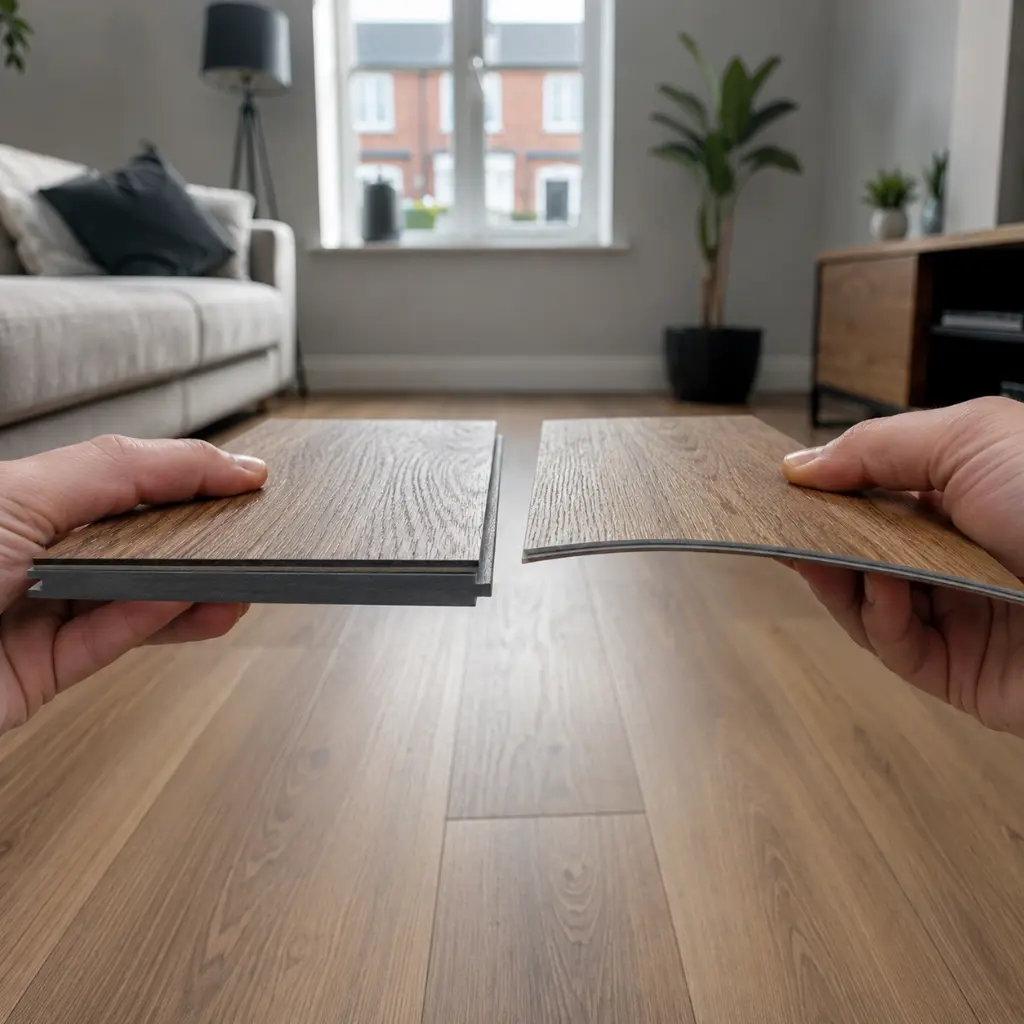
The easiest way to decide is to think room by room, based on how each space is used. There is rarely one answer for a whole house.
For kitchens, bathrooms and utility rooms, SPC's stability in damp conditions makes it a confident choice. Hallways, landings and family living areas with constant traffic are also often better suited to SPC
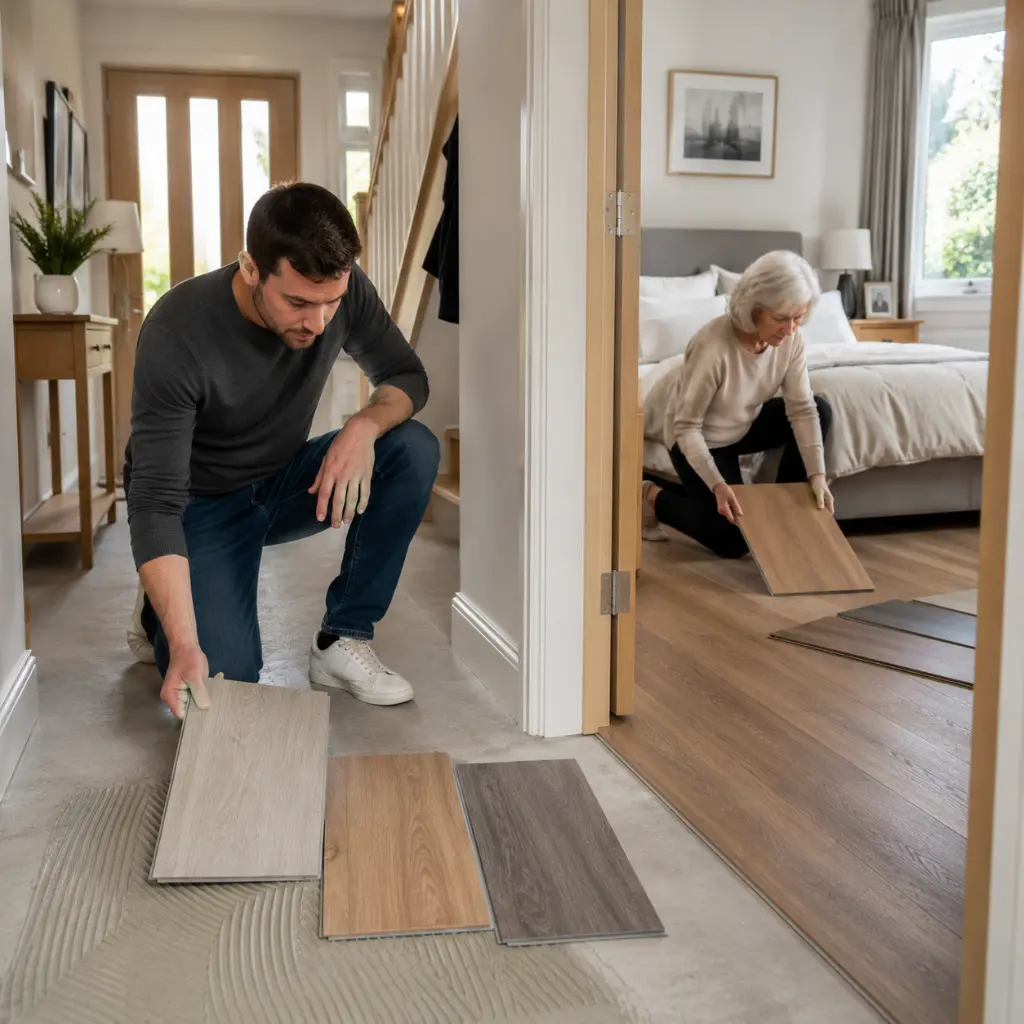
Bedrooms and quieter lounges are where LVT's softer, warmer feel comes into its own. A homeowner recently asked us to floor a busy kitchen diner and a bedroom in the same visit, so we suggested SPC for the hardworking kitchen and a softer LVT for the bedroom.
If your priorities are durability, damp rooms and an easier fit over an older subfloor, SPC is usually the sensible pick. If comfort underfoot and a warmer feel matter most, and your subfloor is sound, LVT is a lovely option.
The right choice comes down to the room, your household, and how the floor will be used day to day.
The reassuring thing about SPC vs LVT flooring is that neither is a mistake. Both give you a realistic wood or stone look that shrugs off daily life, so this is a nice decision to have rather than a difficult one.
The trick is matching the floor to the room, not the other way round. If you would like to hold both side by side and talk it through, our fitters can bring the samples and the advice to your door.