Making the right flooring choice can elevate the comfort and style of any UK home or business. From cosy townhouses to modern offices, a well-chosen floor isn’t just about looks—it’s about durability, maintenance, and welcoming warmth. Among popular decorative finishes, parquet flooring vs herringbone are often mentioned, yet many people wonder what sets them apart. This article clarifies their distinct qualities so you can make an informed decision.
At Floor Coverings Local, we specialise in guiding homeowners and commercial clients to find the ideal floor for their space. By exploring herringbone vinyl flooring vs parquet flooring, we’ll show how each pattern impacts visual appeal, practicality, and longevity. Whether you’re updating a bustling high-street shop or a cosy living room, understanding these classic wood floor designs will help you choose the perfect finish for your unique requirements.
Parquet flooring is a broad term referring to any patterned arrangement of small wooden pieces. Traditional options like solid oak parquet bring a timeless look to hallways or lounges, while modern parquet flooring styles include engineered parquet flooring and luxury vinyl parquet. These can replicate the natural richness of wood but offer greater resistance to moisture and wear. Parquet-style vinyl planks are particularly popular in UK homes, blending luxurious visuals with easy maintenance.

Herringbone flooring vs parquet may sound similar, but herringbone is actually a distinct pattern within the broader parquet umbrella. Each plank is arranged in a zigzag pattern, creating a classic, elegant aesthetic often seen in traditional British residences. This layout is especially admired in solid oak parquet and engineered herringbone flooring, where the natural grain aligns to draw the eye through a room. The result is a refined statement suited to both historic and contemporary interiors.
In contrast, parquet flooring patterns can take on many formats—from basket-weave to chevron—each bringing a distinct style. Herringbone wood flooring, however, is one of the most sought-after designs because it strikes a lovely balance between sophistication and versatility. If you’re researching the difference between herringbone and parquet, think of herringbone as an elegantly uniform layout that highlights each plank’s character and creates a sense of movement within any space.
Whether choosing parquet or herringbone, you can opt for solid, engineered, or vinyl solutions. Solid oak parquet offers authentic character but may require acclimatisation in UK climates. Engineered herringbone flooring pairs a hardwood top layer with strong base layers for stability, making it a superb option in areas prone to damp or temperature variations. Luxury vinyl parquet flooring, including waterproof vinyl flooring, delivers similar aesthetics at a more affordable price point and with lower maintenance demands.
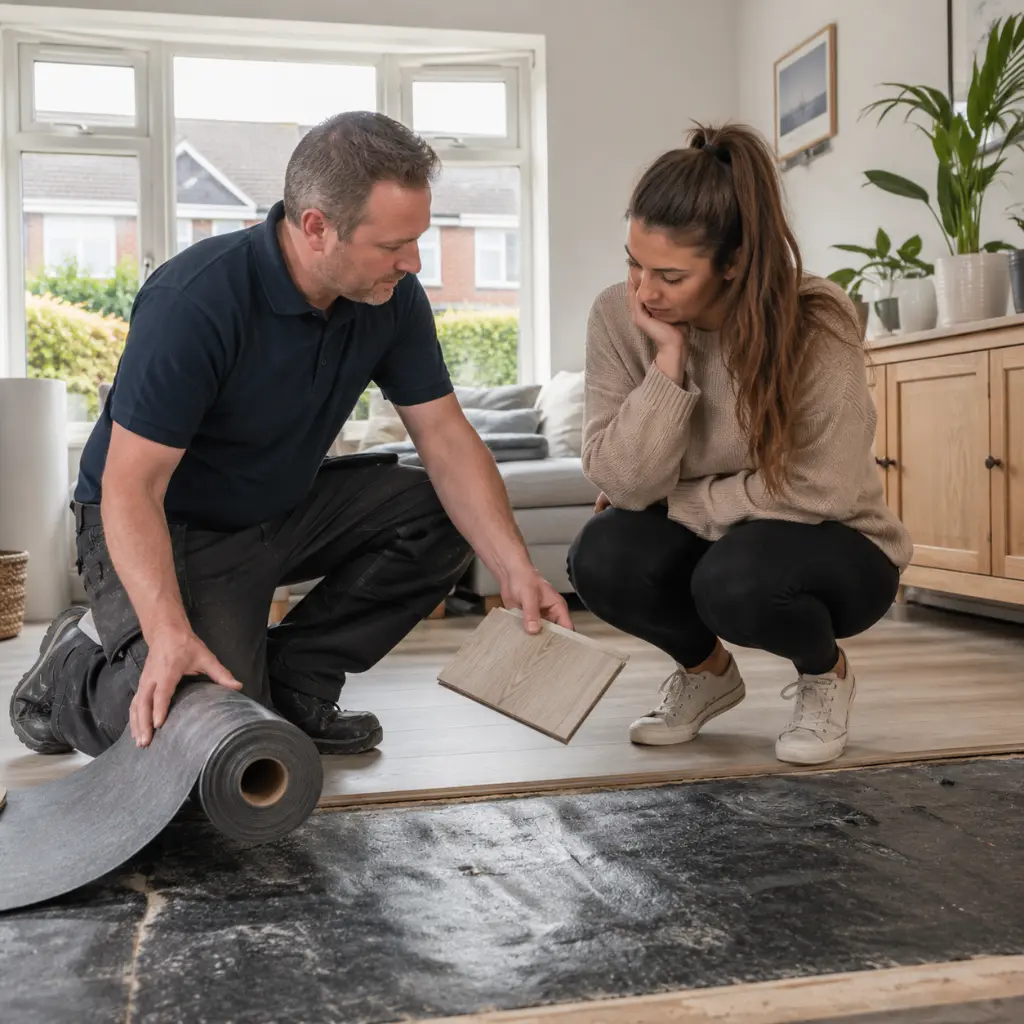
Installing any patterned floor requires precision. Professional fitters assess subfloor conditions, ensuring a level surface to prevent uneven boards or gaps. Parquet flooring installation cost can vary based on pattern complexity, with herringbone often being slightly more labour-intensive. Some UK properties, particularly older homes, may require additional preparation for damp-proofing. Many prefer to leave tasks like vinyl herringbone installation to experts, as a correctly laid floor enhances comfort, longevity, and overall visual appeal.
Once laid, both parquet and herringbone floors require straightforward upkeep. Solid wood may need periodic resealing, while engineered or vinyl herringbone calls for simpler cleaning methods—just a gentle sweep and occasional mop. If you’re determining what the difference is between parquet and herringbone in terms of upkeep, remember that the pattern itself doesn’t complicate maintenance: it’s the choice of material that largely influences how you’ll care for your newly installed floor.

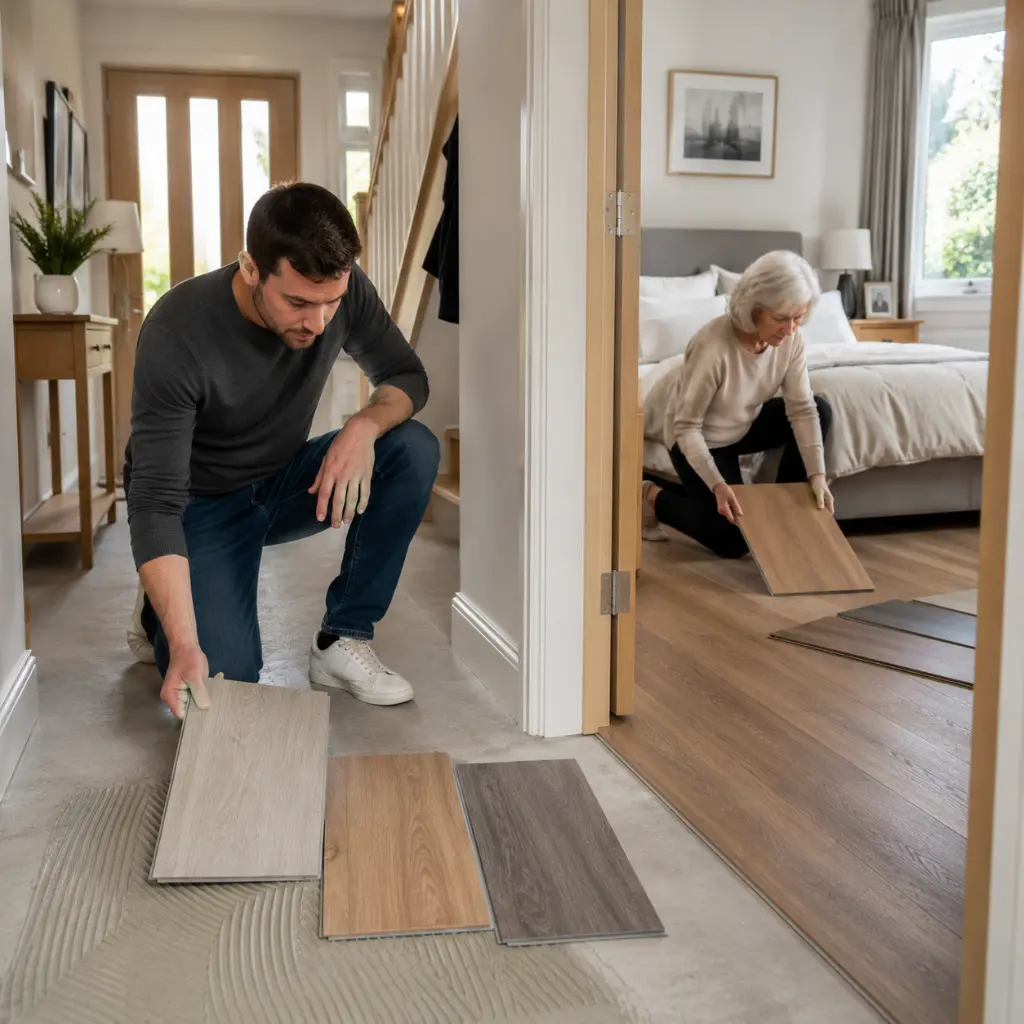
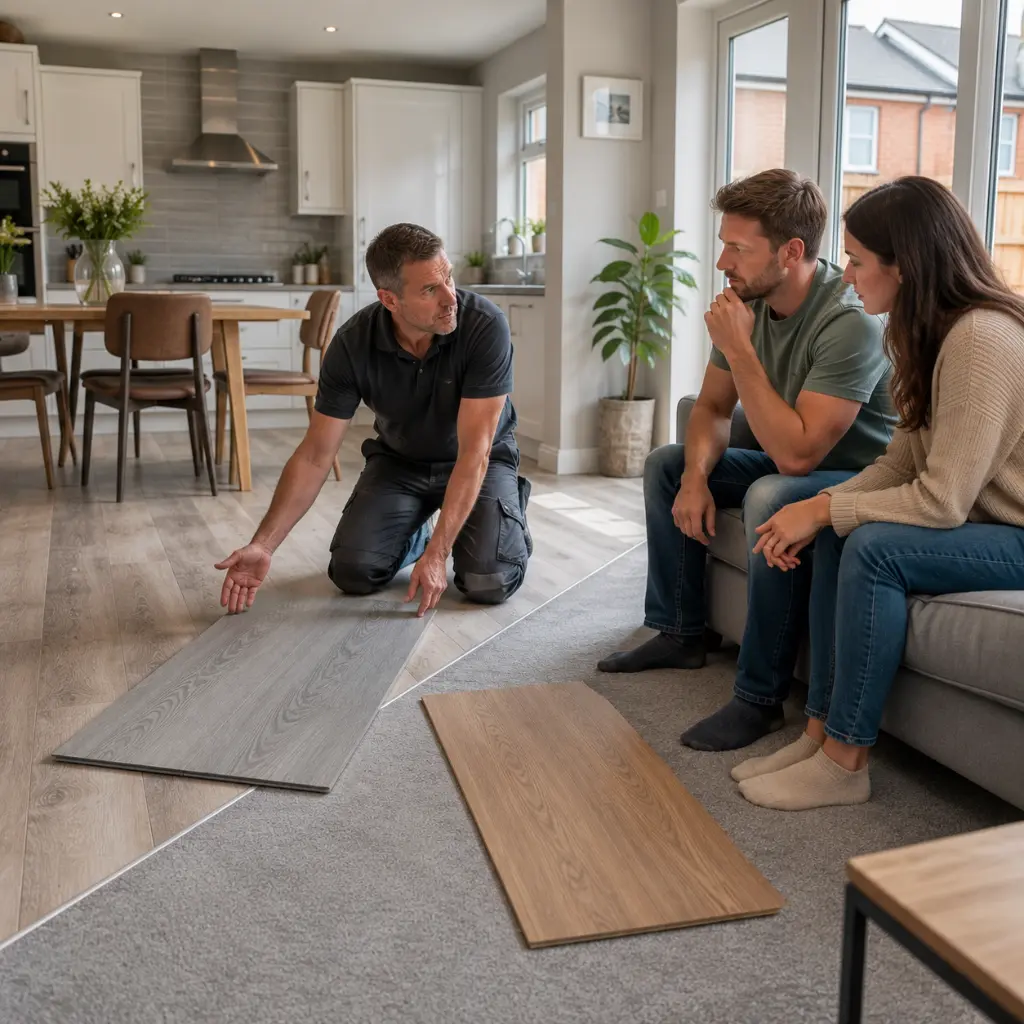
When deciding between parquet floor vs herringbone, consider the room’s footfall, style preferences, and long-term needs. Traditional settings might favour solid oak parquet with a classic pattern, while a bustling retail shop may enjoy the practicality of wood-effect vinyl flooring in the UK. For a truly timeless look, engineered herringbone flooring offers a blend of authenticity and strength. By weighing these factors, you’ll pick a design that brings enduring elegance, comfort, and value to your property.
The difference between herringbone and parquet flooring comes down to pattern choice and personal taste. From engineered parquet to herringbone vinyl tiles, each option delivers its own mix of timeless style and modern convenience. At Floor Coverings Local, we tailor solutions to match your vision, ensuring you love the look, feel, and performance of your floors. Whether you’re revamping a small flat or upgrading a commercial venue, our expertise guarantees a seamless finish. Contact us today for a consultation and discover the perfect fit for your space.