You mop the kitchen on a Sunday morning and stand back to admire it, then the light catches the floor an hour later and it is covered in streaks and a dull, cloudy film. Sound familiar? It is the most common laminate complaint we hear from customers, and it nearly always comes down to the same two things: too much water and the wrong cleaner.
The good news is that cleaning laminate flooring is genuinely easy once you know the golden rule: keep it dry. The whole process is just four steps. Sweep or vacuum up the grit, mist a laminate-safe or diluted vinegar cleaner lightly onto the floor rather than soaking a mop, wipe one small section at a time with a barely damp microfibre mop, then buff it dry so it never streaks. The rest of this article covers the best cleaner to use, a no-film homemade recipe, stain removal and everyday care, from a Rotherham team that looks after these floors every week.
Laminate is a printed layer over a fibreboard core, and that core swells if water works into the joints. So while laminate shrugs off a light damp mop, it hates standing water. Never slosh a bucket over it, never leave puddles, and never use a steam mop, as the forced steam drives moisture straight into the seams. A well-wrung mop that feels barely damp to the touch is all you ever need, and wiping up spills the moment they happen keeps the joints safe. This matters most in splash-prone rooms. In a kitchen, choose a moisture-rated board such as waterproof laminate for kitchens; in a bathroom, use a water-resistant laminate for wet areas; and for a fully waterproof floor, vinyl flooring copes better than any laminate.
A simple routine keeps the floor spotless:
1. Sweep or vacuum first, using a soft brush or the hard-floor setting, to lift grit that would otherwise scratch as you mop.
2. Apply the cleaner lightly. Mist a thin layer of laminate cleaner onto the floor rather than soaking the mop so you control exactly how much moisture goes down.
3. Mop one small section at a time with a flat microfibre mop, following the direction of the planks.
4. Buff dry behind you with a dry microfibre cloth or pad. This single step is what leaves the floor gleaming with no streaks or film.
Once a week suits most homes, with a quick sweep in between in busy spots like the kitchen and hallway.
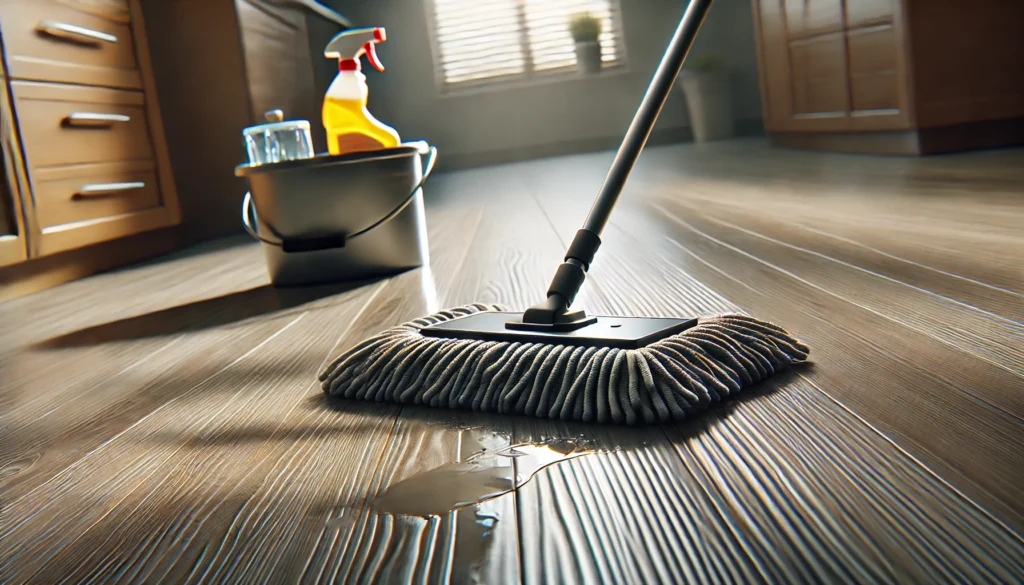
The best cleaner for laminate floors is a pH-neutral laminate or hard-floor cleaner, used sparingly. What you avoid matters just as much as what you use. Steer clear of abrasive powders and scourers, which scratch the wear layer, and never use wax, polish, oil soaps or "mop and shine" products, as they leave a dull, sticky build-up that only gets worse with each clean. Bleach and strong all-purpose sprays can strip the finish too. If in doubt, a product labelled specifically for laminate flooring is the safe choice.
You do not need a shop-bought bottle. A reliable homemade or DIY laminate floor cleaner is equal parts white vinegar and warm water in a spray bottle, with a splash of surgical spirit and a single drop of washing-up liquid. The mild acidity of the vinegar cuts everyday grime, the surgical spirit flashes off fast to prevent streaks, and the tiny bit of soap lifts grease without leaving residue. Spray it lightly, mop a section, and buff dry. It costs pennies and leaves no film, which is exactly what you want.
Most marks lift with the routine clean, but stained or very dirty laminate floors sometimes need a targeted approach, and each type of mark has its own trick:
• Grease or food: a dab of the vinegar spray, blotted, not rubbed.
• Ink, shoe polish or crayon: dab with a cloth barely moistened with surgical spirit, working from the outside in.
• Candle wax or chewing gum: harden it with an ice cube, then gently scrape with a plastic edge, never metal.
• Scuff marks: a pencil eraser or a melamine sponge used dry lifts most of them.
Surface marks can often be cleaned away, but deep scratches or damaged planks usually require repair or replacement rather than cleaning alone.
Laminate cannot be waxed or polished the way real wood can, so laminate floor polishing is not the answer and only leaves that cloudy build-up mentioned above. The shine on a laminate floor comes from it being clean and properly dried, not from polish. If yours looks dull, the usual cause is old cleaner residue, so a plain warm-water mop and a thorough buff often restores the gleam on its own.
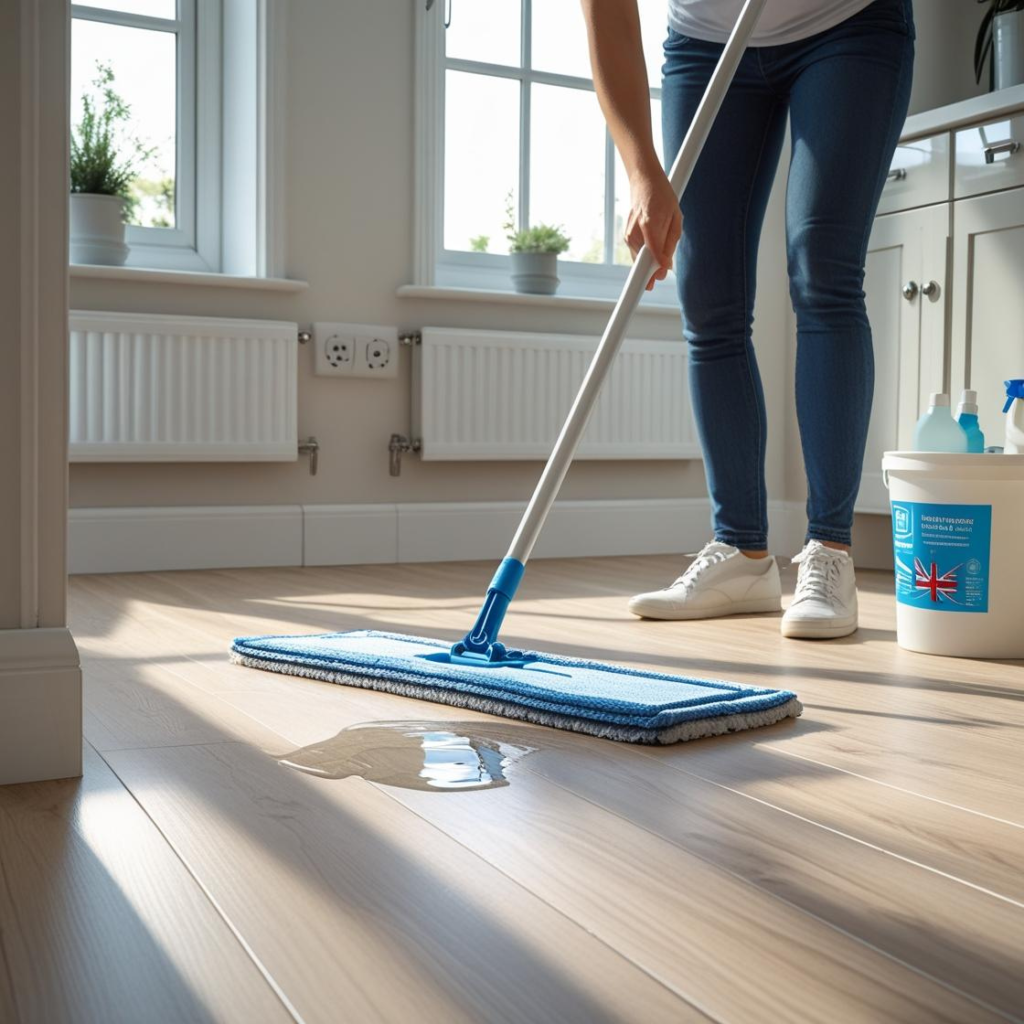
Taking care of laminate is mostly about good day-to-day maintenance, and a little prevention saves a lot of cleaning. Put doormats at outside doors to catch grit, fit felt pads under furniture legs, and lift rather than drag anything heavy. Avoid walking on it in stiletto heels, take shoes off where you can, and wipe up spills straight away, especially in the kitchen. If a room gets strong sun, blinds or curtains slow any fading of the print. These small habits, together with regular laminate cleaning, keep the wear layer intact for years.
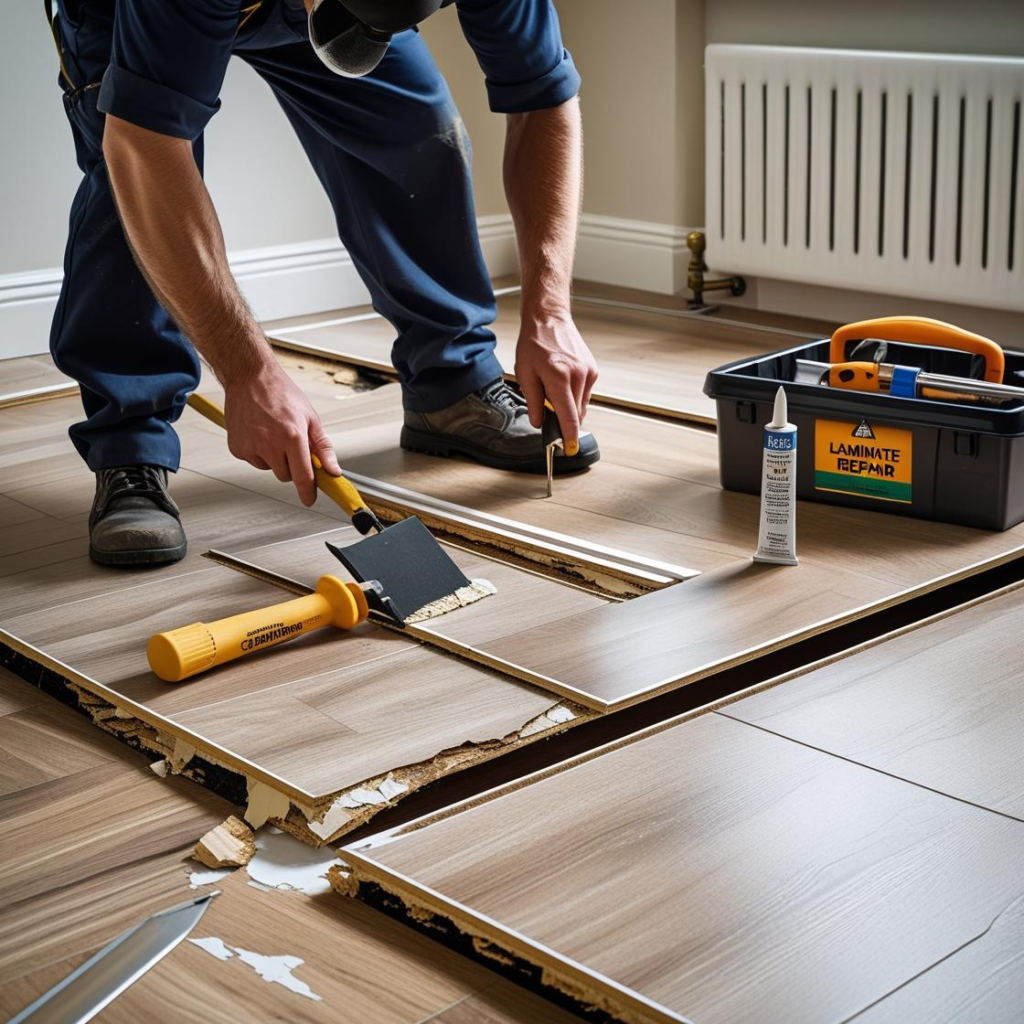
Sometimes cleaning alone is no longer enough. If the planks have swollen at the joints, the wear layer has worn through in high-traffic areas, or water has penetrated beneath the flooring, cleaning will not restore the damage. In these cases, repairing individual boards or installing new laminate flooring is often the most practical long-term solution.
We supply and fit laminate flooring across Doncaster, Rotherham, and the wider South Yorkshire area, and can advise whether your floor is best suited to cleaning, repair or replacement.
A flat microfibre mop or a refillable spray mop is ideal, because both let you control exactly how much moisture goes down. Avoid old-style string or sponge mops that hold a lot of water, and skip steam mops altogether.
That is almost always leftover residue from too much cleaner, washing-up liquid or a polish-type spray building up on the surface. Go back over the floor with a cloth wrung out in plain warm water, buff it dry, and use less product next time.
Only a single drop in a full bucket of warm water. Any more and the soap leaves a dull film that actually attracts dirt, so it is fine in a pinch but not your best everyday cleaner.
Sweep or vacuum the busy areas a couple of times a week, give the whole floor a damp mop weekly, and do a more thorough clean roughly once a month. Homes with pets or young children usually need the higher end of that.
Diluted to about half-and-half with water it is safe for occasional cleaning of sealed laminate. Do not use it neat or every single day, as the acidity can slowly dull the finish over time, and never use it on a waxed or oiled floor.
Looked after this way, a laminate floor easily outlasts a decade of daily life without the tired, cloudy look that puts so many people off it. The real trick is consistency rather than effort: a light touch little and often beats the occasional heavy scrub every time.
If your laminate floor is beyond cleaning or repair, Floor Coverings Local is here to help. Whether you need expert advice, repairs or a new laminate floor, our experienced team can recommend the best solution for your home.