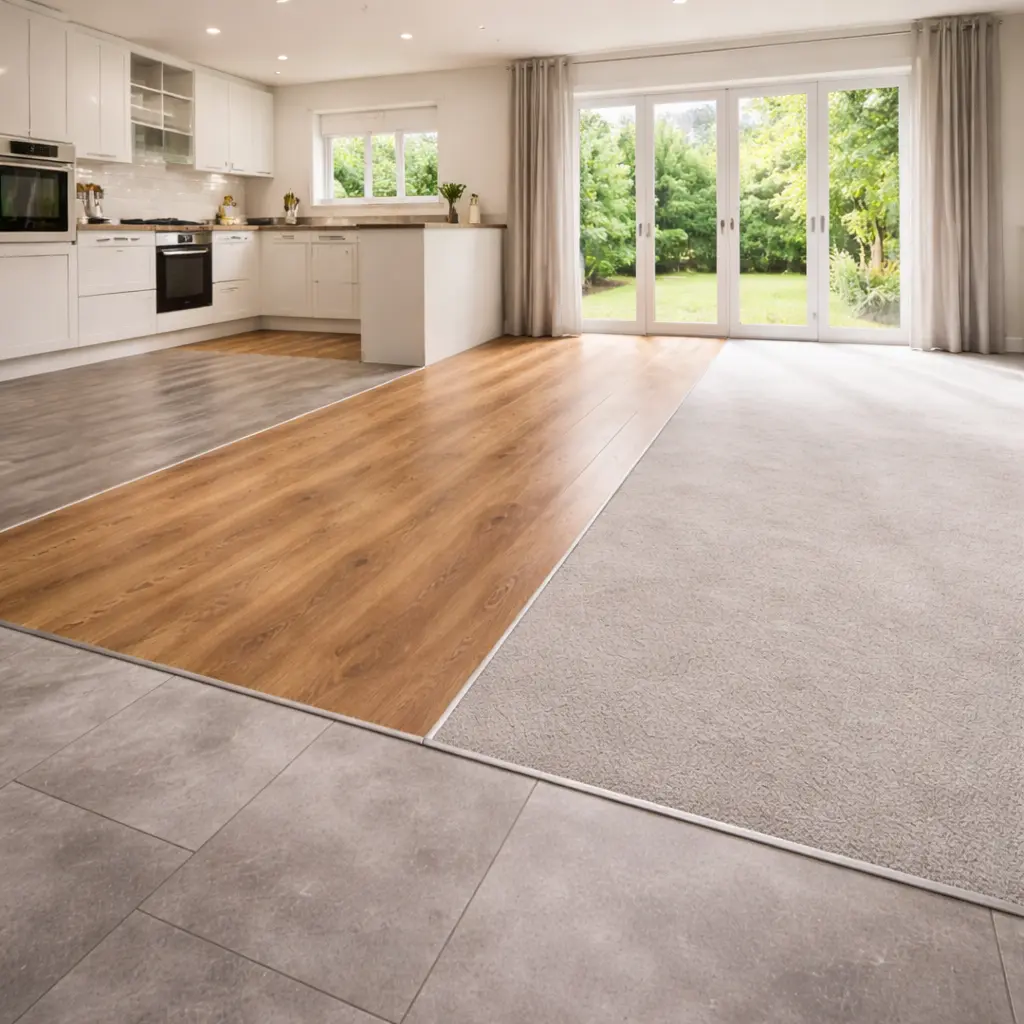
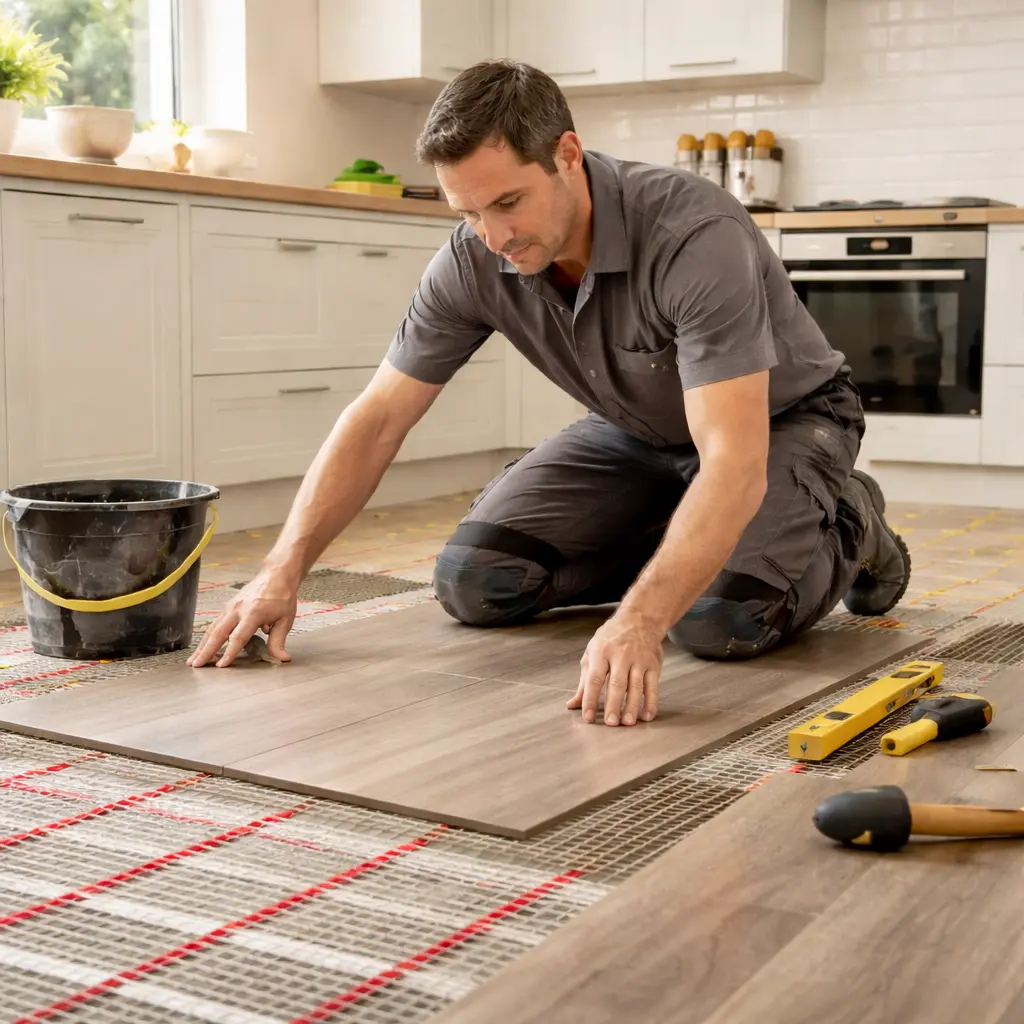
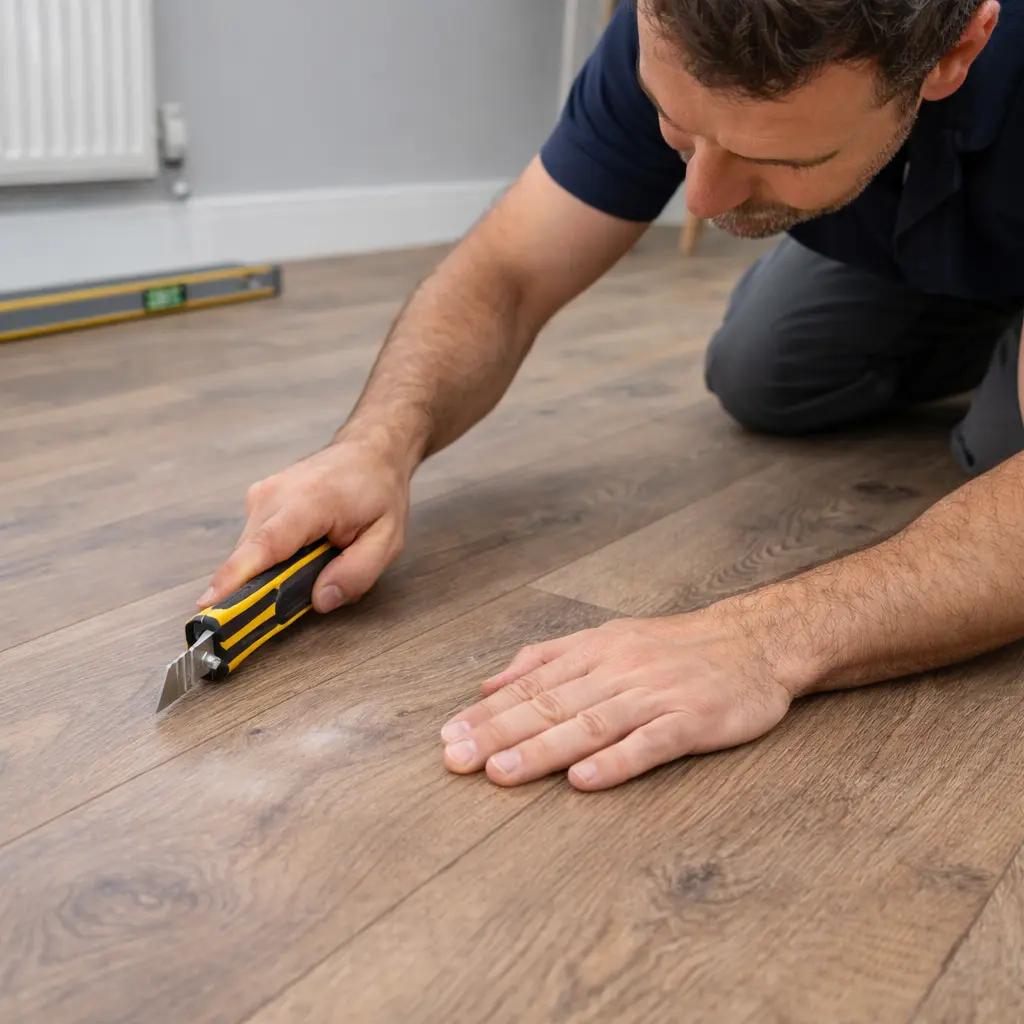
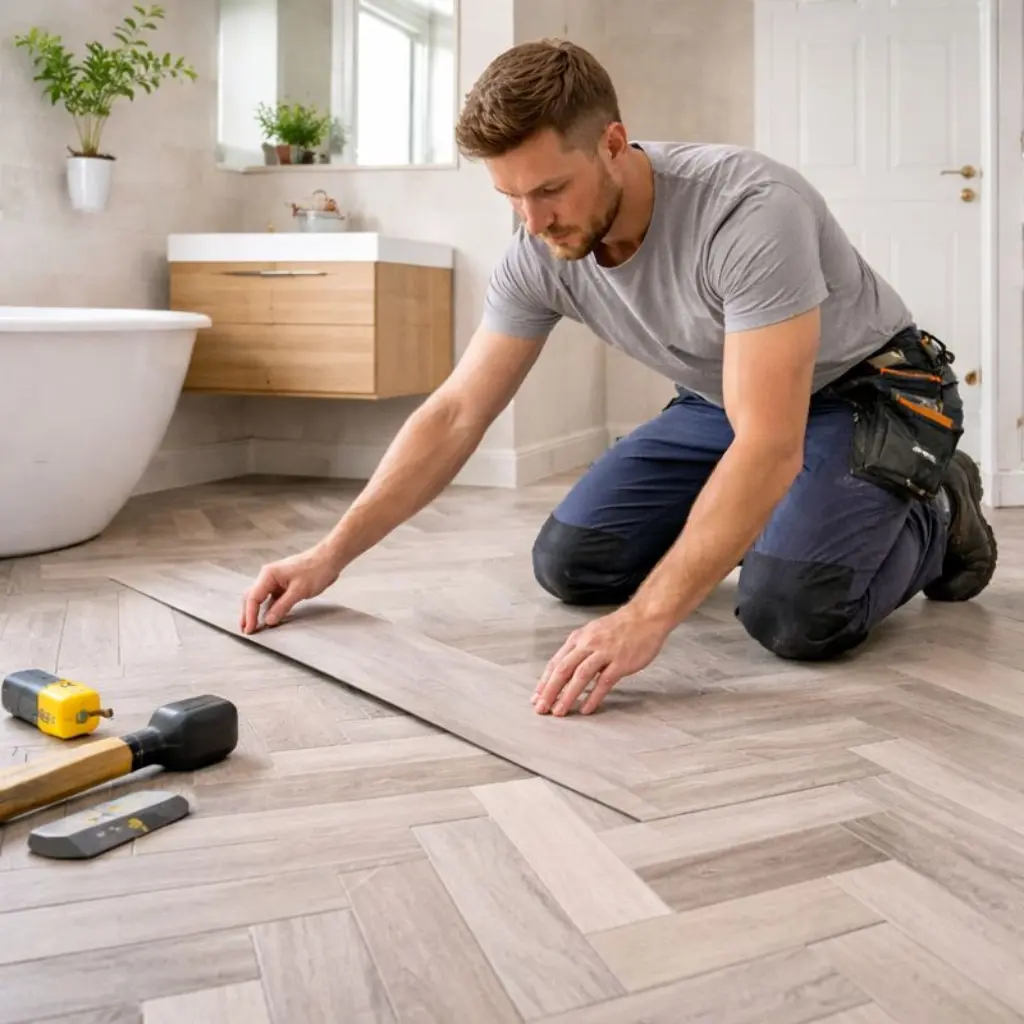
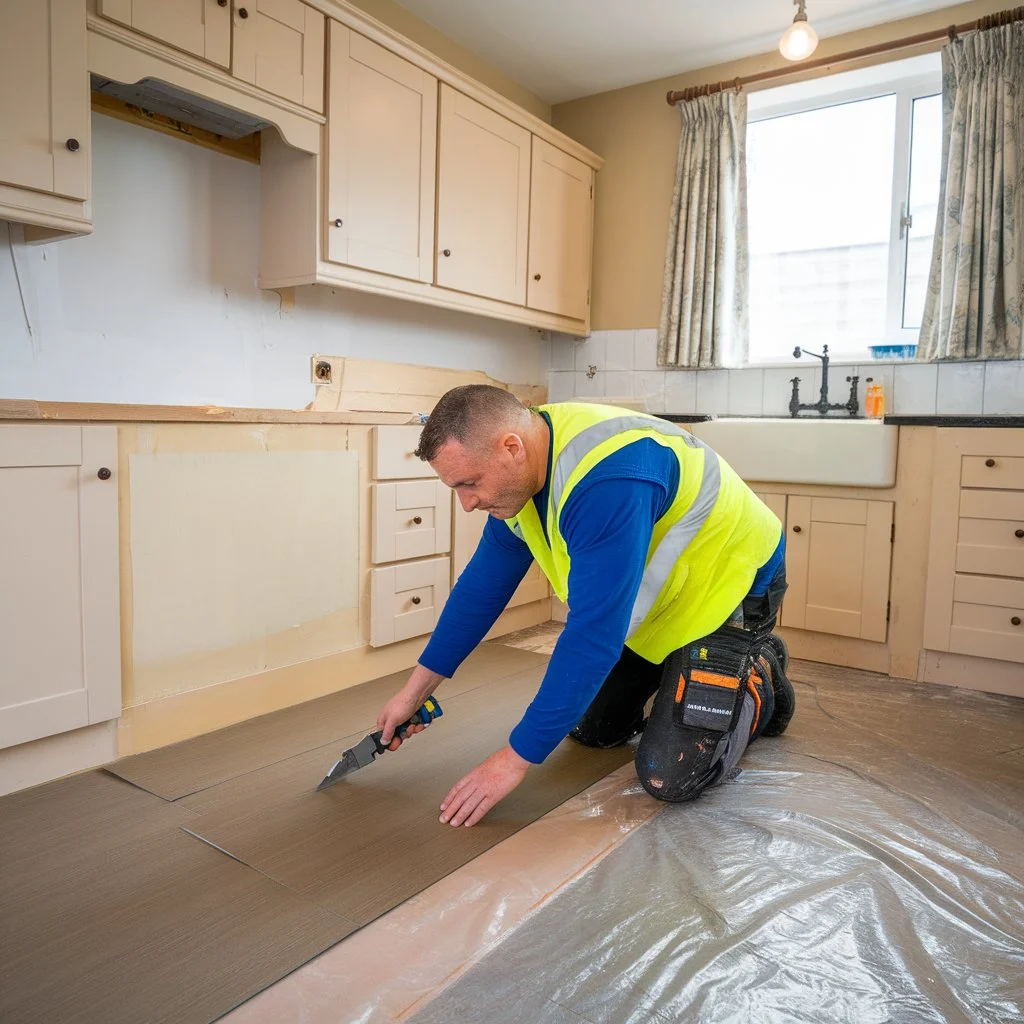
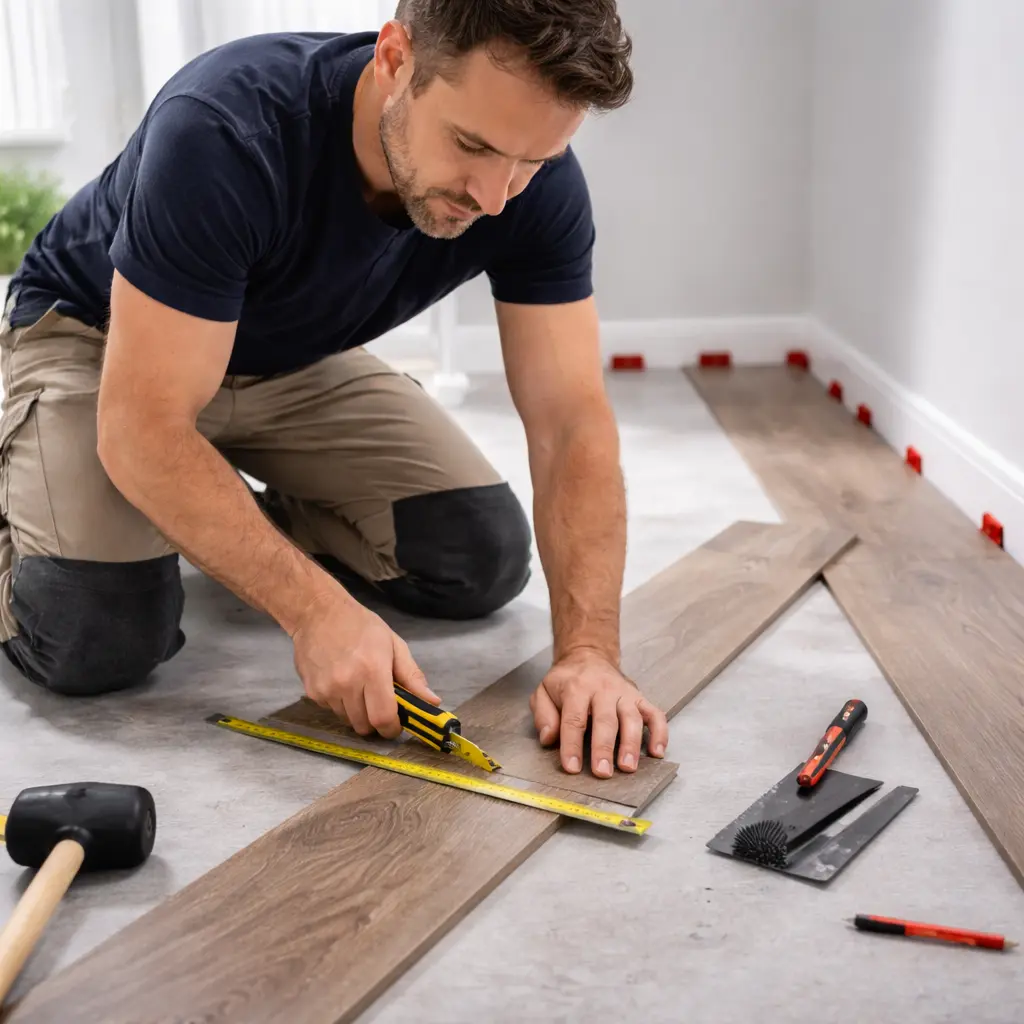
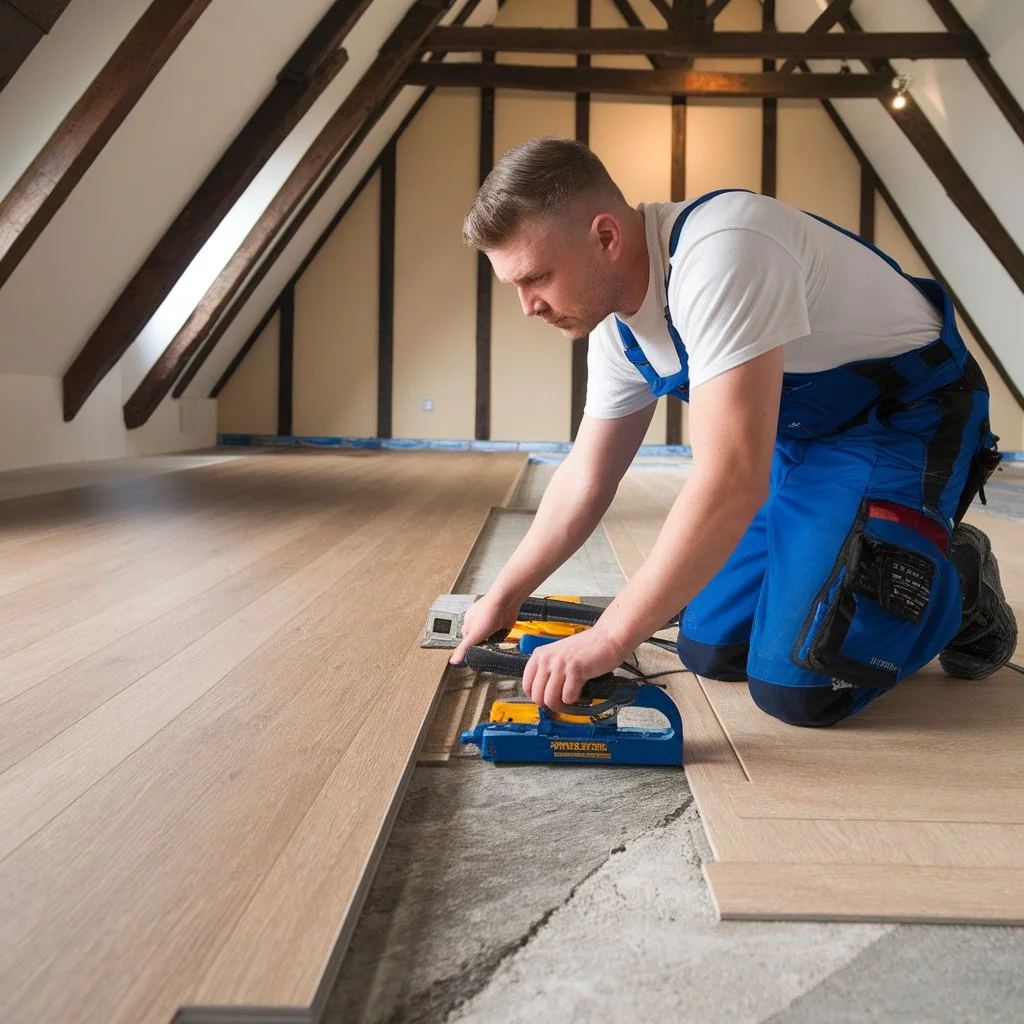
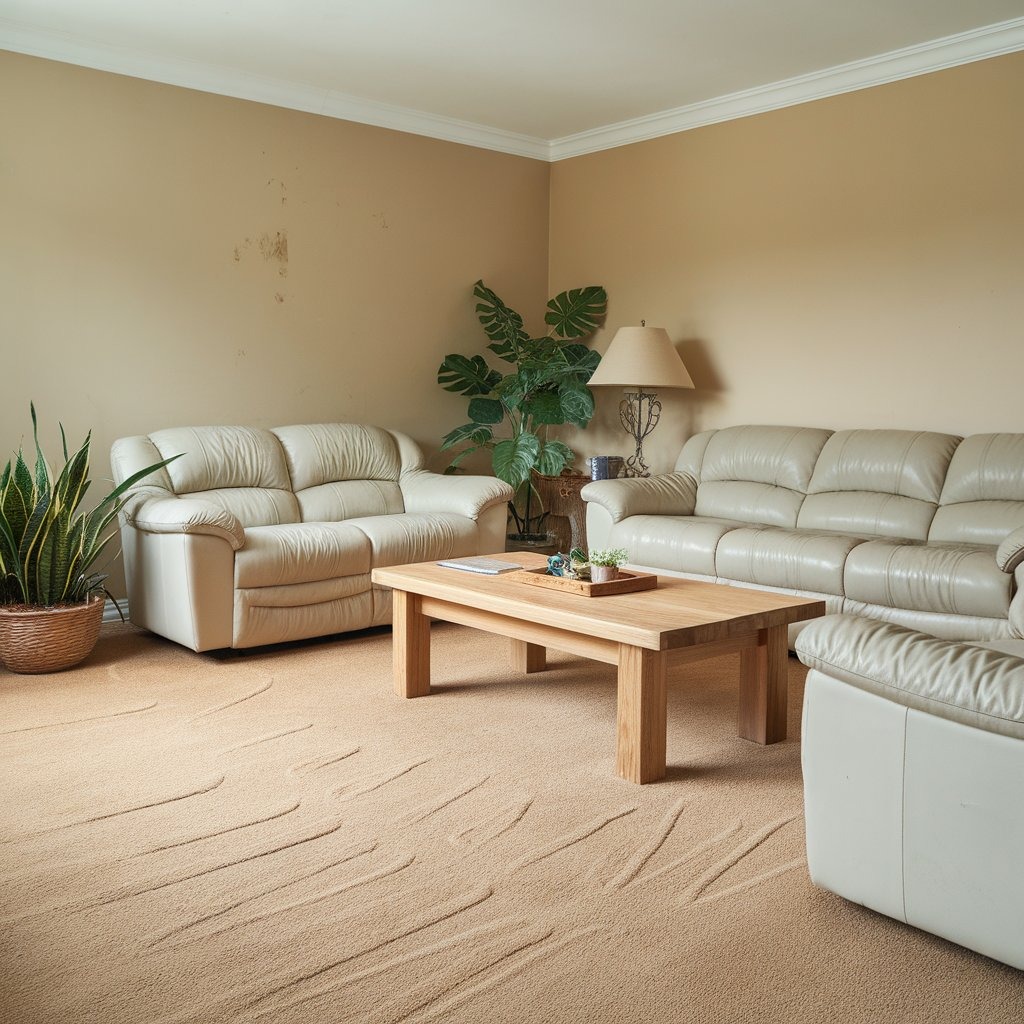
To stop creaking floors under carpets and resolve all squeaky floor issues, first identify loose floorboards using a joist finder. Secure them with screws into joists for stability. Apply graphite powder to lubricate gaps and reduce noise. Consider using construction adhesive for reinforcement. Regular maintenance and monitoring for new creaks are essential. Systematic inspection and targeted repairs guarantee reduced noise levels over time. If the carpet itself has worn out or is no longer providing proper cushioning and support, it may be worth considering professional carpet fitting in Rotherham to ensure long-term comfort and performance.
Key Takeaways
Squeaky floors under carpet are primarily caused by loose or improperly fastened floorboards, which shift against each other or the subfloor when weight is applied.
Wear and tear exacerbate this issue, as repeated foot traffic and the settling of structures over time can loosen fasteners and create gaps.
Additionally, fluctuations in humidity levels can cause wood to expand and contract, further contributing to the instability and noise of floorboards under carpet.
Understanding the underlying causes of squeaky floorboards is essential for effective remediation. Squeaky floorboards often arise from interactions between floor joists and loose floorboards. Gaps between the floorboards can further exacerbate creaky floors. The subfloor's integrity is compromised by fluctuating moisture levels, potentially leading to structural issues. Wooden floorboards can contract or expand due to changes in humidity, resulting in increased wear and instability. These factors collectively contribute to the occurrence of squeaky floors under carpets.
| Cause | Effect | Solution |
| Loose floorboards | Increased noise | Secure with screws or nails |
| Gaps between boards | Crevices causing noise | Use fillers or shims |
| Moisture levels | Expansion/contraction of wood | Control humidity |
| Structural issues | Weak support | Reinforce subfloor |
| Floor joists | Lack of support | Strengthen joist connections |
Numerous factors contribute to the wear and tear of floors under the carpet, leading to the occurrence of squeaky floors.
Over time, the repeated pressure from foot traffic and furniture weight causes floorboards to become loose, creating gaps that result in noise. This wear and tear is exacerbated when the carpeted floor is not regularly maintained, allowing minor issues to evolve into significant structural problems. These issues can ultimately reduce the overall carpet lifespan if not addressed in time.
Creaking floors often indicate these underlying issues, necessitating prompt repair to prevent further deterioration. If left unaddressed, the structural integrity of the subfloor may be compromised, leading to more extensive repairs.
Professional intervention often involves tightening loose floorboards, filling gaps, and reinforcing any compromised areas to restore the floor's stability and eliminate squeaky floors.
Fluctuations in humidity can significantly contribute to creaking floorboards under carpet, as wood is susceptible to changes in moisture levels.
When humidity increases, wooden floors absorb moisture and expand, causing pressure against adjacent components, leading to squeaky floorboards. Conversely, reduced humidity results in contraction, creating gaps and loose boards, resulting in the notorious squeaky noise.
To address this issue, consider the following:

To address creaking floors effectively, construction adhesive can be applied between floor joists and subflooring, providing a durable bond that minimises movement and noise.
In situations where subtle friction causes squeaks, powdered graphite serves as a dry lubricant, reducing noise by filling gaps between floorboards or joints.
Additionally, the use of carpet underlay with soundproofing properties can absorb sound and reduce the transmission of creaks, offering a quieter floor surface.
Construction adhesive provides a robust solution for addressing creaking floors, particularly when applied in conjunction with other methods.
To effectively fix squeaky floors, it is essential to apply the adhesive between the subfloor and floorboards, guaranteeing a secure bond that prevents future squeaks. This method works best when combined with additional measures:
These steps contribute to a thorough strategy for addressing squeaky floorboards under carpet, providing a lasting solution.
Powdered graphite offers a viable solution for addressing creaking floors, particularly in situations where construction adhesive might not be suitable or practical. Squeaky floors often result from friction in gaps between the subfloor and floorboards. Applying powdered graphite can effectively minimise this friction. It is sprinkled over the squeaky spot, allowing it to settle through the carpet fibres and into the gaps between the subfloor, reducing noise when walking over the area.
| Step | Description | Outcome |
| 1 | Identify squeaky spot | Locate creaking floors under carpet |
| 2 | Apply powdered graphite | Sprinkle over affected area |
| 3 | Embed into carpet | Work graphite through carpet fibres |
| 4 | Test floor | Walk over the area to assess results |
| 5 | Reapply if needed | Repeat if squeak persists |
Expertly applied, graphite can fix squeaky floorboards without altering carpet and subfloor integrity.
Carpet underlay can play a crucial role in addressing creaky floorboards under carpet. A quality underlay not only cushions foot traffic but also acts as a sound barrier to fix squeaky floors under carpet. This solution helps to prevent future squeaks by offering a stable base beneath the rug without causing damage.
To stop creaking, follow this step-by-step guide:
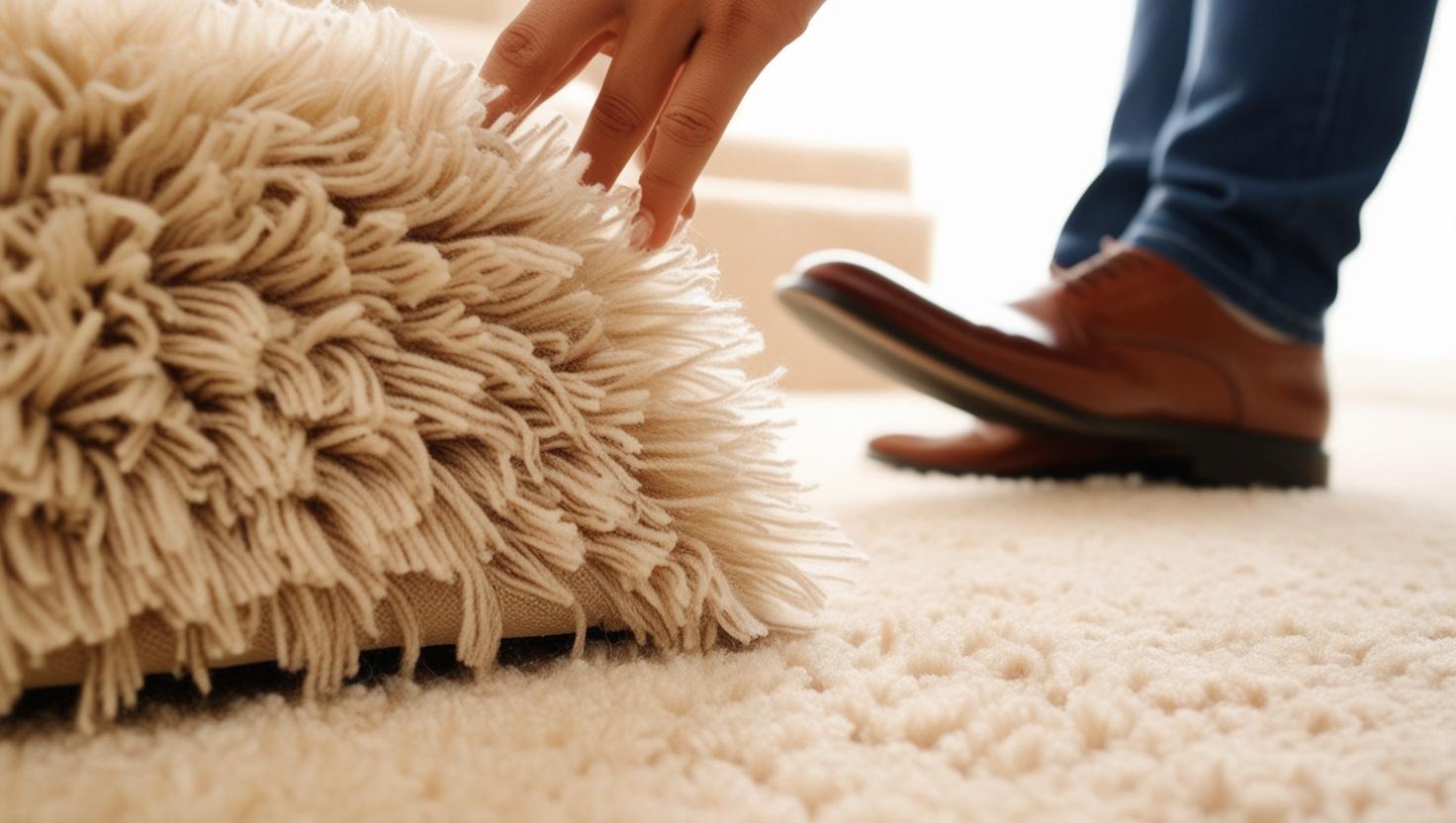
When addressing a squeaky floor under the carpet, it is advisable to contemplate whether to lift the carpet to gain direct access to the floorboards.
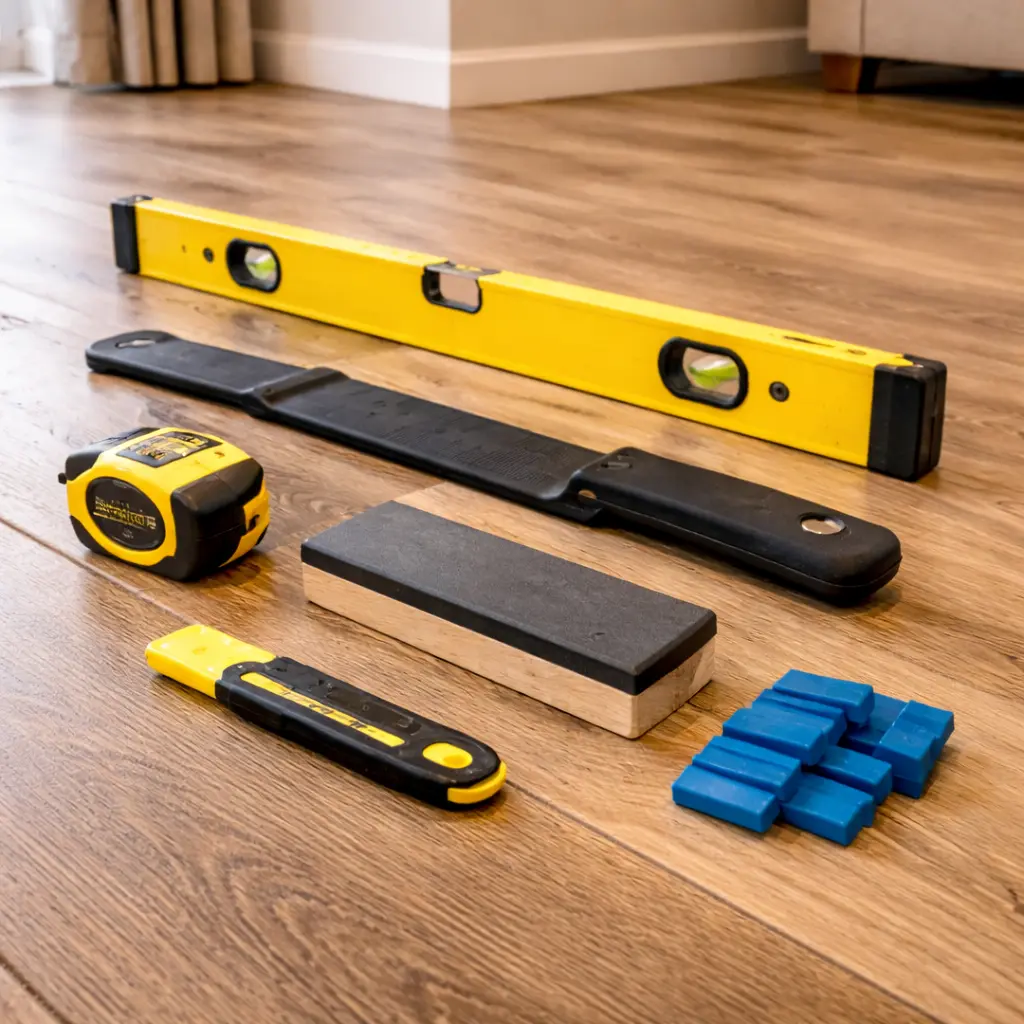
Essential tools for this task include a drill, screws or nails, and a joist finder to locate joists.
To secure loose floorboards, strategically drive screws or nails through the subfloor into the joists, taking care to avoid damaging the carpet.
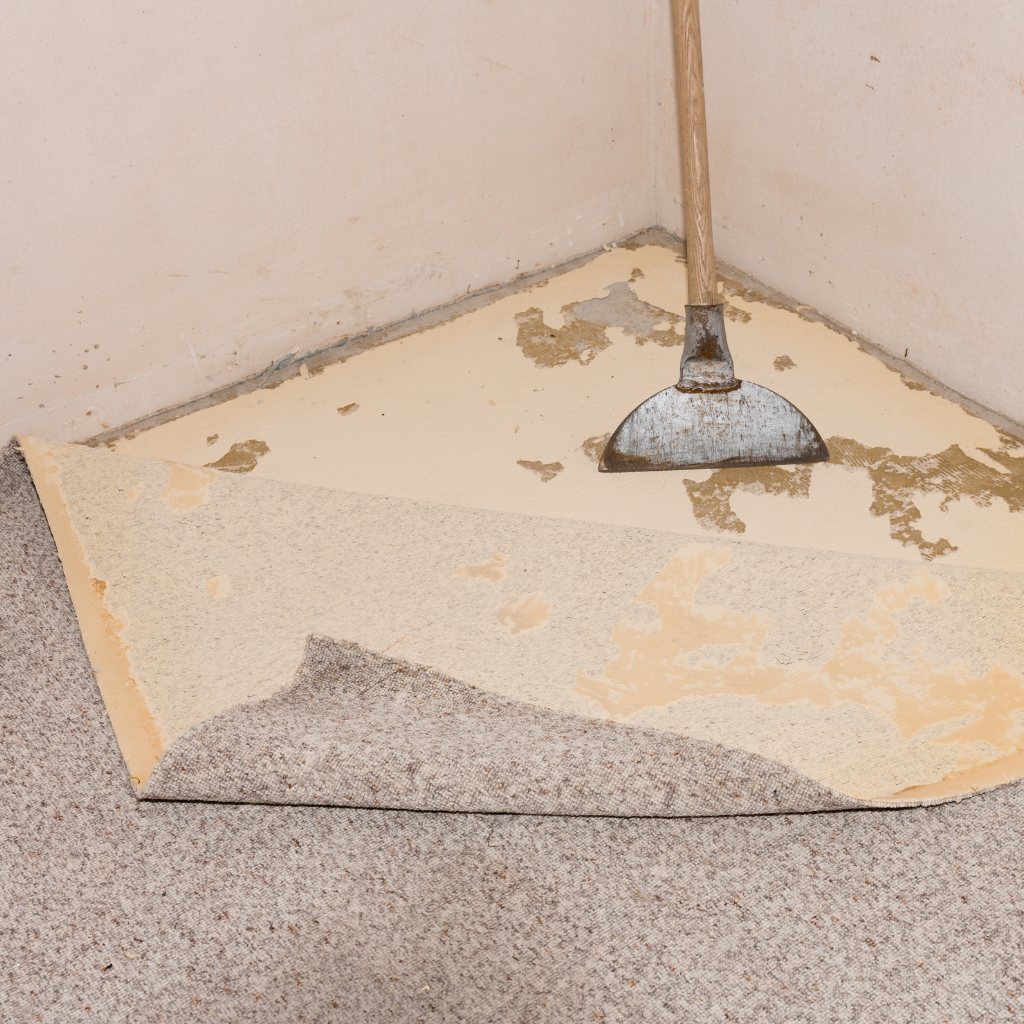
Addressing squeaky floors under carpet often requires direct access to the floorboards to fix creaking effectively. Floorboards can become loose over time, and securing them with screws or nails may resolve the issue. Lifting the carpet allows for a more thorough inspection and repair process, potentially eliminating the need for professional assistance.
Key reasons to lift the carpet:
While it might seem intimidating, careful lifting can lead to long-term solutions.
Accessing the floorboards by lifting the carpet is a critical step toward effectively fixing squeaky floors, and having the right tools is paramount to ensuring a successful repair.
A joist finder is essential for pinpointing joists under the floorboards. To fix a squeaky floor, utilise a drill with plasterboard screws to fasten loose boards securely. Ensuring the screw head is flush with the surface prevents future issues.
Carpet tape aids in maintaining the carpet's position during repairs. After addressing floorboard gaps, apply wood filler for a seamless finish.
A reliable method to pull and align boards before fastening can further enhance stability. These tools and techniques are crucial for a durable solution to floor squeaks under the carpet.
Securing loose floorboards under carpet involves a meticulous process to eliminate squeaks and guarantee long-lasting stability. Expert advice suggests addressing creaking floorboards under the carpet by following precise steps.
Begin by identifying the location of the joist using a joist finder. This ascertains the correct positioning of screws or nails to fix and secure loose floorboards effectively.
If you’re looking to enhance floor performance further, carpet tiles can be an excellent option for covering secured floorboards, especially in commercial spaces.
These steps will efficiently resolve squeaky floors beneath your carpet.
Preventing future creaking in floors requires an essential understanding of the structural role that floor joists play, as they must be adequately secured and aligned to minimise movement.
Regular maintenance, including tightening loose floorboards and ensuring even weight distribution, is vital in addressing minor issues before they escalate.
For persistent creaking spots that resist DIY solutions, consulting a professional is advisable to diagnose and rectify underlying structural problems accurately.
Floor joists, the horizontal structural components that support the floor, play an essential role in preventing creaking. The integration of floor joists with subfloor materials like plywood is critical to maintaining a sound, stable foundation.
To effectively address creaking floors under the carpet and minimise squeaks, it is vital to guarantee that joists remain tight and secure.
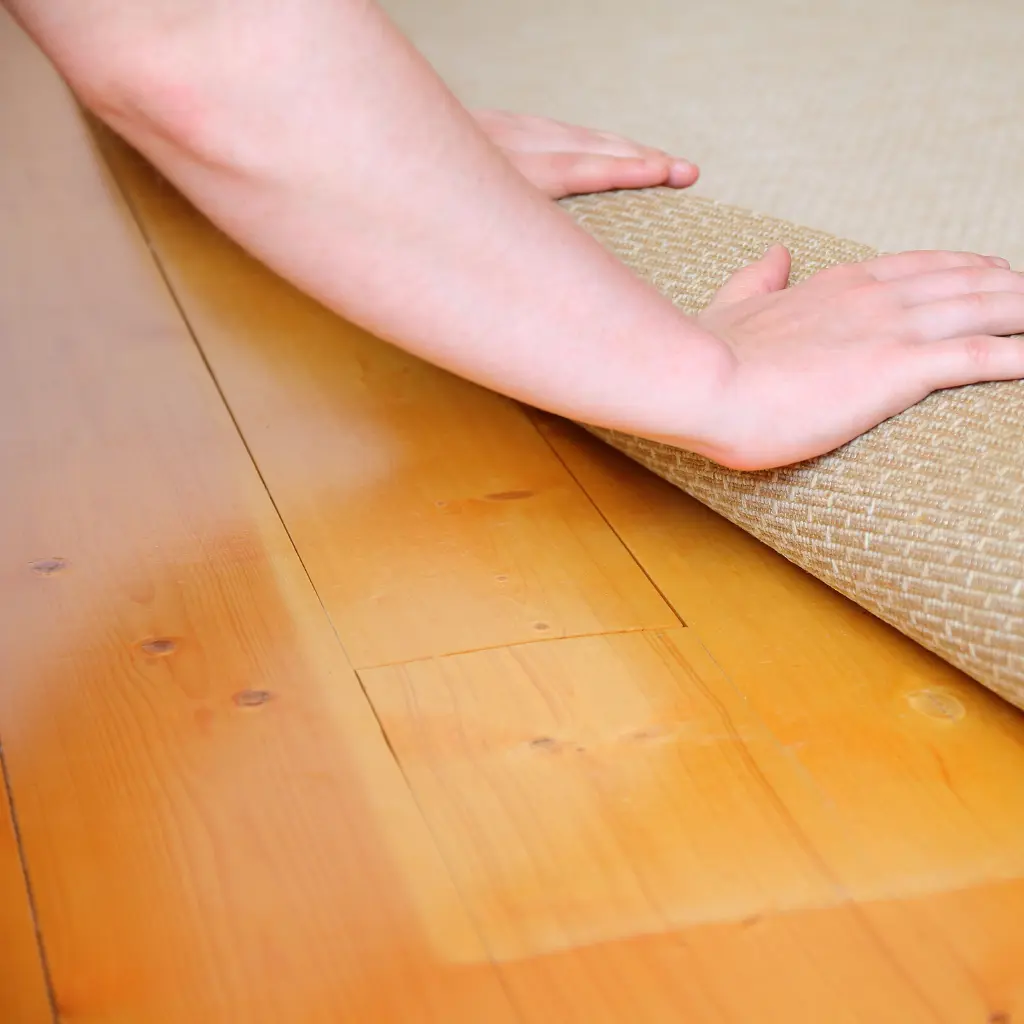
Addressing creaking floors involves more than just initial construction efforts; ongoing maintenance is key to guaranteeing long-term stability and silence.
Regular maintenance is essential in preventing creaking and squeaking, especially under carpeted areas. To stop squeaky floors, confirm floorboards are tightly secured to the joists. A common problem arises when nails loosen over time, causing floorboards to shift. Insider tips suggest using screws to replace nails for a firmer hold.
If a squeak persists, identify the cause of the issue by checking for gaps or misaligned boards and apply a wood adhesive or shim to fill voids. Vigilantly inspecting and addressing these potential issues can markedly reduce the likelihood of future creaking, maintaining the floor's integrity and quietness.
Despite diligent efforts from a thorough guide on learning how to fix a squeaky floor, some creaking spots may persist. Homeowners should consult a professional when:
Professional intervention can provide targeted solutions and repair services to fix issues effectively, guaranteeing that the flooring in your home remains stable and functional.
This approach guarantees that persistent creaking doesn't compromise structural integrity.
Repairing creaking floors without removing the carpet involves strategic interventions that prevent damage to the existing flooring.
Techniques such as targeted screw installations using specialised kits allow for securing loose subfloor components through the carpet, effectively eliminating noise without disruption.
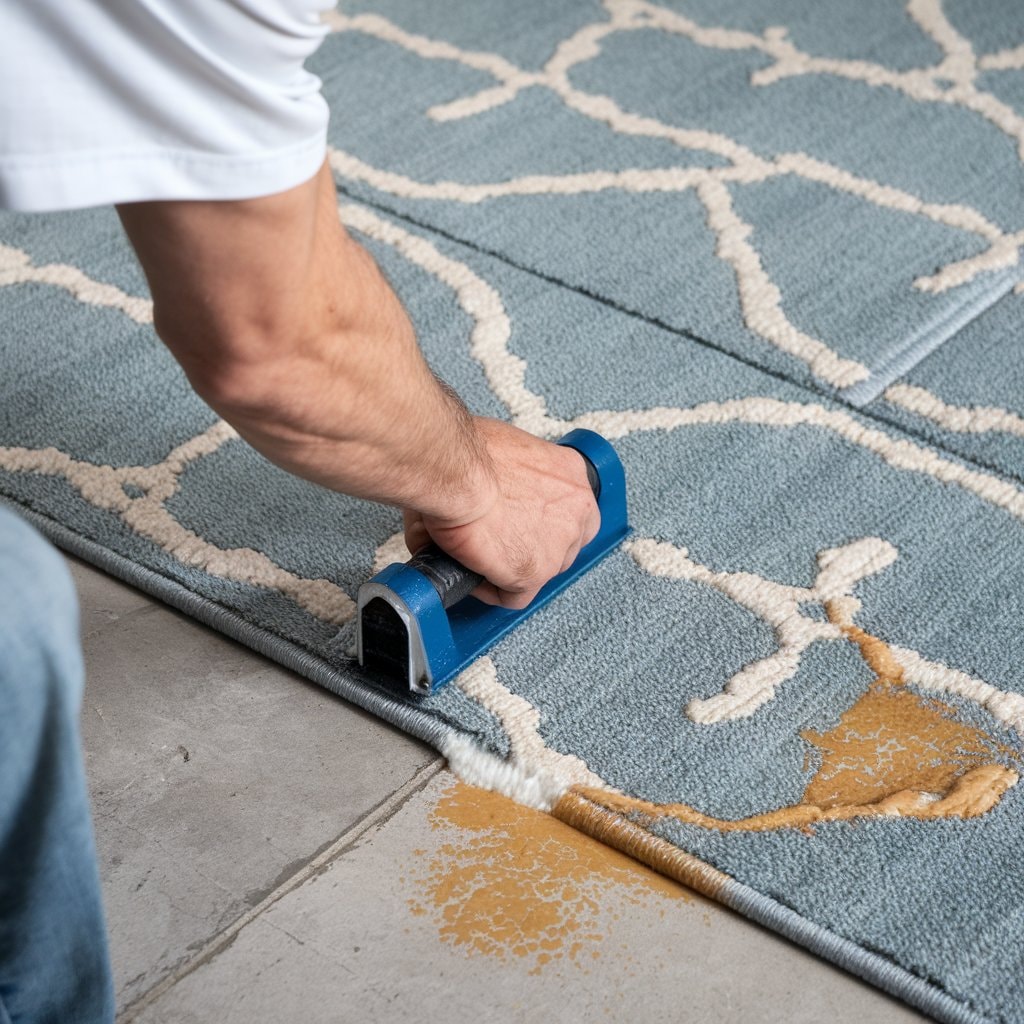
Additionally, applying a high-grade adhesive can offer a long-term solution by stabilising floorboards, though it requires careful application to avoid carpet damage.
Mitigating creaking floors without removing the carpet requires a strategic approach that minimises disruption.
Addressing annoying squeaks in hardwood floors beneath carpets can be achieved through targeted techniques. A step-by-step guide to repair involves precise execution:
These methods guarantee the integrity of the floors under the carpet remains intact, solving squeaks effectively.
Evaluating the efficacy of adhesives in addressing creaking floors under carpet reveals both potential benefits and limitations. Adhesives can be an excellent fix for minor issues, particularly where wood boards rub against each other. To apply adhesive effectively, locate the squeaky area with a joist finder and inject adhesive through a small hole drilled in the carpet. This method can reduce squeaks without necessitating carpet removal. However, it may not address underlying structural issues.
| Top Tips | Considerations |
| Use a joist finder | May not fix all squeaks |
| Drill a small hole | Potential damage to carpet fibres |
| Inject adhesive | Limited long-term effectiveness |
| Target board rubs | Not suitable for loose subfloors |
| Quick application | Adhesive hard to adjust or remove |
Adhesives offer a temporary solution but require careful application.
Addressing creaking floors without removing the carpet involves strategic techniques that prioritise minimal disruption while effectively reducing noise.
To begin, homeowners should identify the precise area where the squeaky floor originates by walking on the carpeted surface and marking the spot.
Once pinpointed, the following methods can be implemented:
These techniques preserve the carpet's integrity while resolving the squeaky floor issue efficiently.
In addressing the issue of squeaky floors under the carpet, it is essential to understand the underlying causes, such as subfloor movement or loose fasteners. Employing methods like using screws and adhesives can effectively mitigate noise. For long-term prevention, regular maintenance and inspection are advised. Significantly, specific techniques allow for repairs without carpet removal, preserving aesthetic integrity. By following expert-guided strategies, homeowners can guarantee quiet, stable flooring, enhancing overall structural integrity and domestic tranquillity.