Carpet lifting or wrinkling is one of the most frustrating issues homeowners face, especially when the flooring once looked perfectly smooth. Many people ask why is my carpet lifting even though nothing obvious seems to have changed.
With centrally heated rooms in winter and higher humidity at other times of year, carpets naturally expand and contract. Over time, this movement can cause ripples, waves, or loose areas underfoot. Beyond appearance, a wrinkled carpet can become a safety concern and shorten the life of the flooring. Understanding why carpets lift helps homeowners take timely action and protect their investment.
Carpet problems don’t always appear suddenly. Wrinkling on carpet often starts as subtle ripples that become more noticeable over time. In many homes, this shows up as soft waves across walkways or raised areas that shift when walked on.
Common signs include:
These early signs shouldn’t be ignored, as they often worsen without professional attention.
When homeowners notice raised sections away from walls, they often wonder why my carpet is lifting in the middle. This typically points to tension issues across the floor rather than edge problems.
Contributing factors include:
Middle lifting usually requires professional re-stretching to restore a flat, secure finish.
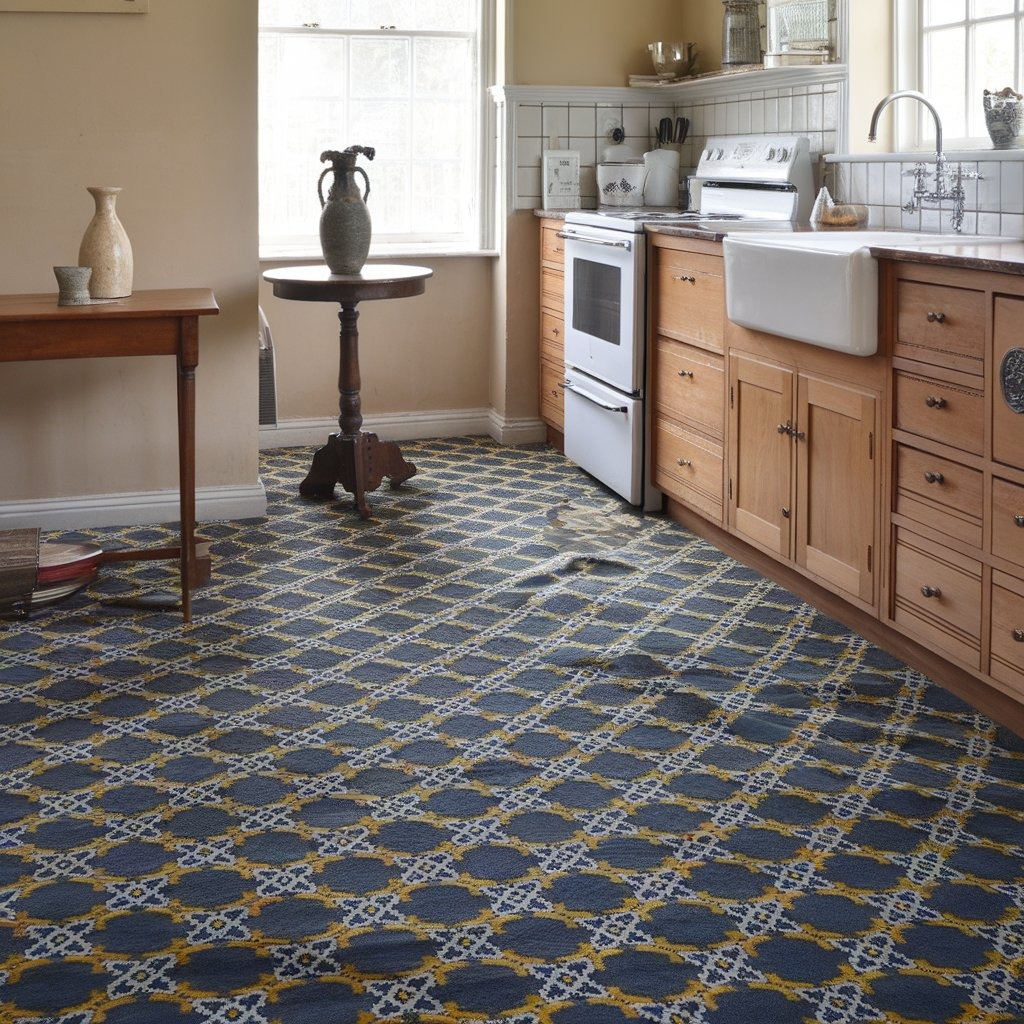
One of the most common causes of my carpet being lifted relates to installation. Improper carpet installation may not show problems immediately, but issues often appear over time.
Examples include:
It’s reassuring to know that professional installation significantly reduces the risk of future rippling and lifting.
The underlay plays a vital role in carpet performance. Carpet padding problems can allow movement, leading to ripples and wrinkles above.
If the underlay is too soft, worn, or uneven, the carpet loses support. In UK homes, where underfloors may already have minor variations, the right padding choice and correct installation make a noticeable difference to long-term stability.
Moisture is a major factor in carpet movement. Wet carpet ripples often appear after leaks, spills, or prolonged damp conditions. Even minor moisture exposure can cause differential expansion of carpet, where some areas expand more than others.
In kitchens, hallways, or ground-floor rooms, water damaged carpet can lift as it dries unevenly. Early professional drying and re-stretching often prevent permanent damage.
As carpets age, their backing weakens, making rips more likely. Over time, fibres lose elasticity, and the carpet no longer holds tension as effectively.
High-traffic areas show this first, particularly in living rooms and corridors. While wear is natural, professional assessment can often extend the life of an older carpet through targeted repairs rather than full replacement.
Homeowners often search for how to fix carpet ripples, but temporary solutions rarely last. Professional re-stretching is the most effective way to restore smoothness.
To reduce future movement:
Expert repair restores appearance and safety without unnecessary disruption.
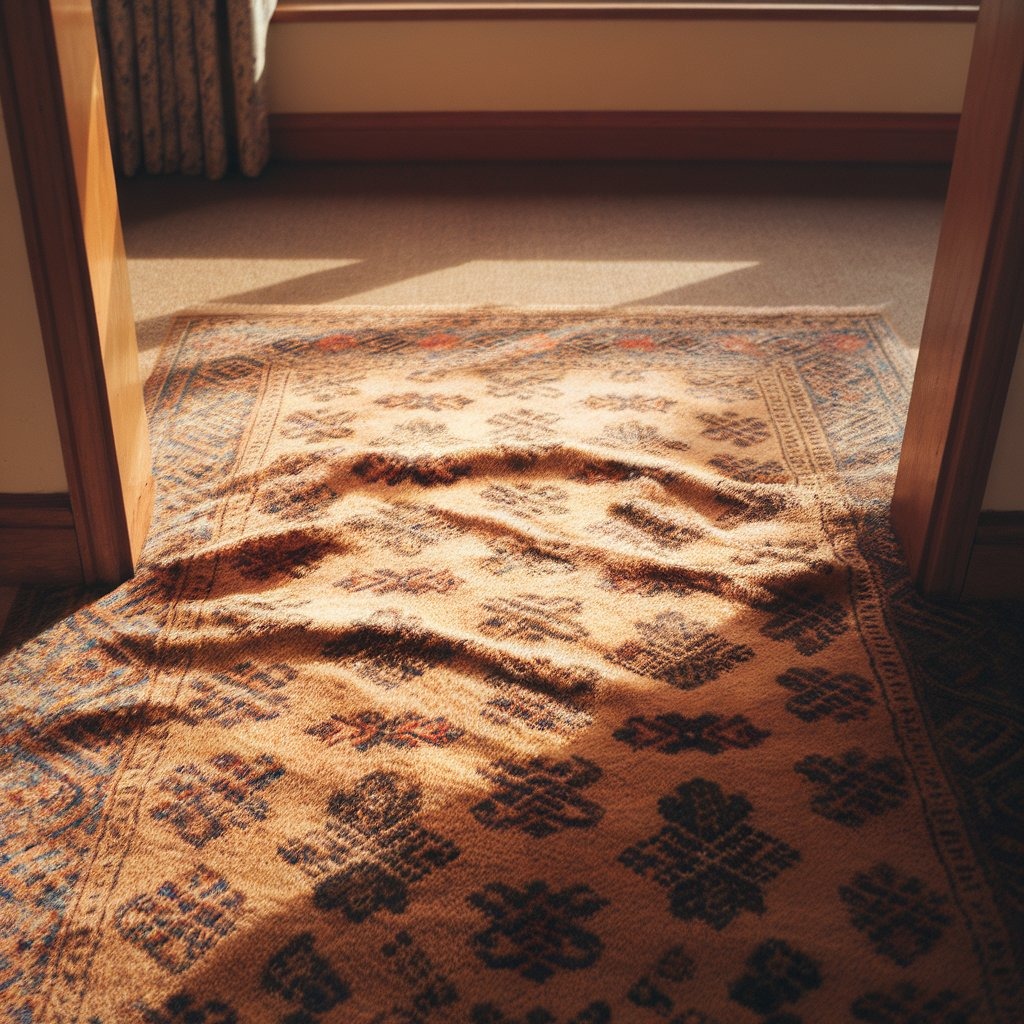
Loose rugs placed over carpet can contribute to movement beneath, particularly in busy areas of the home. Understanding how to keep a rug flat and prevent slipping on carpet helps reduce added strain on the carpet below and lowers the risk of a furniture mark forming over time. Using appropriate anti-slip solutions and knowing how to stop rugs from moving on carpet protects both the rug and the carpet underneath, helping maintain comfort and safety in everyday living.
Repeated lifting or wrinkling is a clear sign that professional intervention is needed. Attempting DIY fixes often worsens the issue or leads to permanent damage. These problems typically develop due to a combination of moisture, temperature changes, everyday wear, and installation factors common in UK homes. With professional assessment and expert repair, carpets can often be restored rather than replaced, and choosing the right colour carpet during repair or replacement can also help improve the overall look and longevity of the space. Book your consultation with Floor Coverings Local to discover safe, effective flooring solutions for your home or business today.