Uneven floors are more common in UK homes than many people realise, particularly in older properties where subfloors have settled over time. When planning new flooring, this can quickly raise concerns about whether vinyl flooring is a suitable option and how it should be installed properly. Many homeowners ask whether it’s possible to install vinyl flooring on an uneven floor without running into problems later on.
Vinyl flooring can work well on uneven floors, but only when the subfloor is assessed and prepared correctly. Understanding what level of unevenness is acceptable and when professional support is needed helps avoid issues. This guide explains what UK homeowners need to know before installing vinyl flooring on uneven floors and how the right approach leads to a smooth, durable finish.
Many UK properties experience uneven subfloors due to age, previous flooring removal, or natural movement within the building structure. Timber subfloors may flex over time, while concrete floors can develop dips or raised areas.
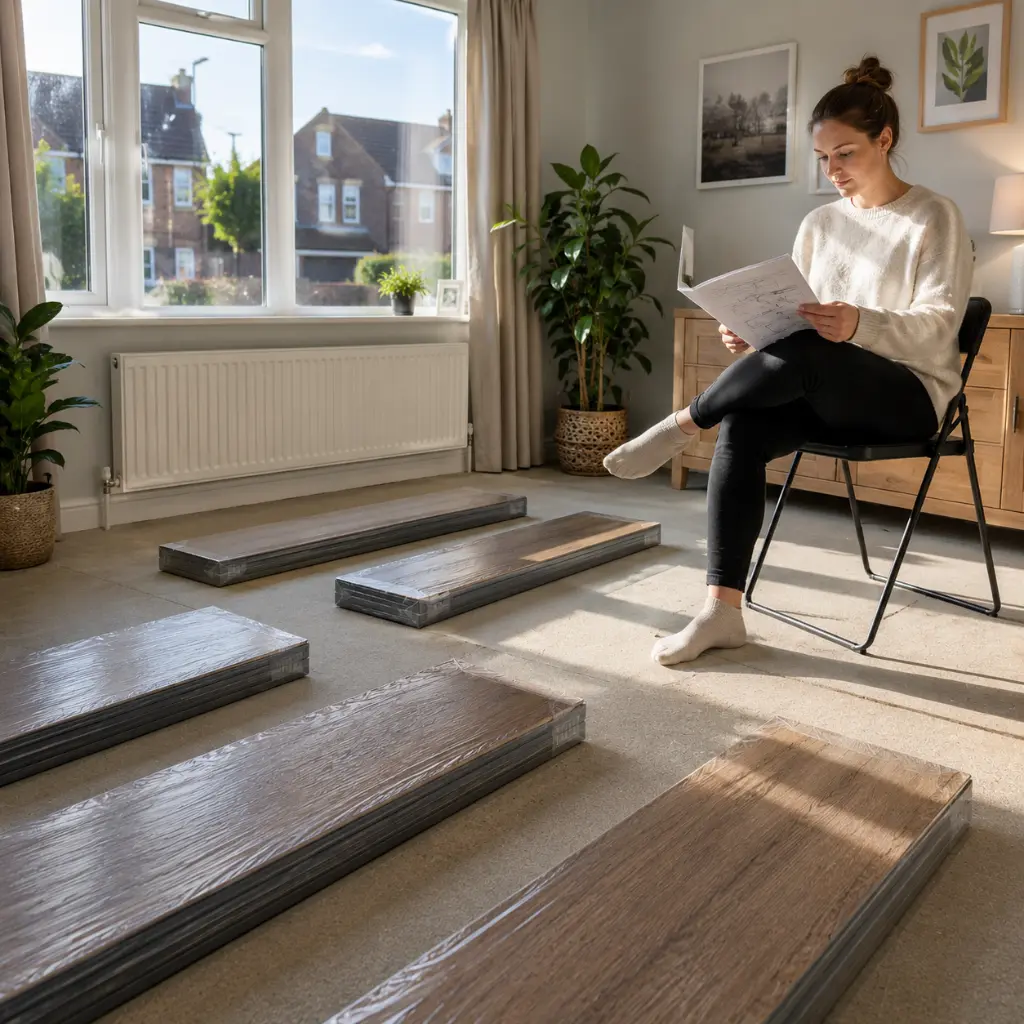
Uneven flooring isn’t always apparent at first glance. It often becomes noticeable only once new flooring is installed, which is why early assessment is so critical. In homes with high foot traffic or moisture exposure, even minor imperfections can affect how vinyl flooring performs over time.
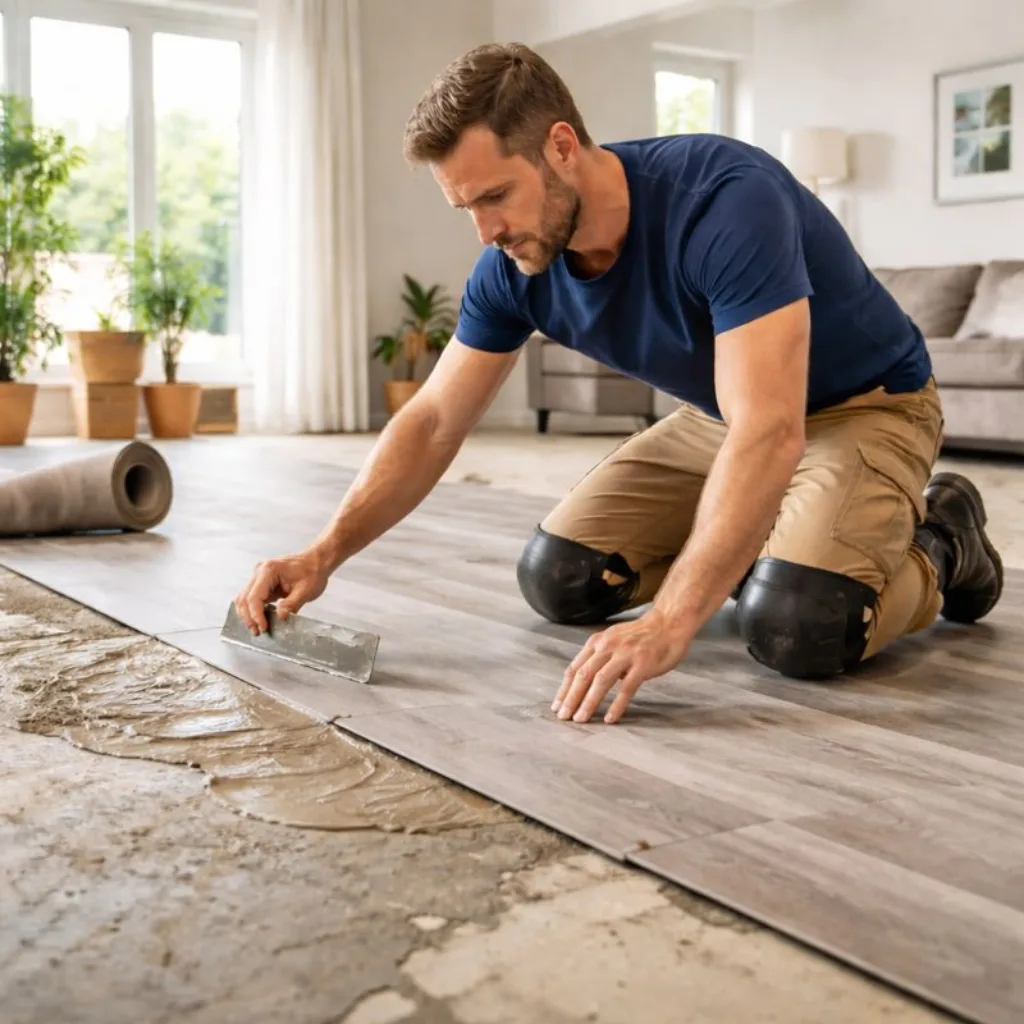
Yes, vinyl flooring can be installed on an uneven floor when the surface is properly assessed and prepared. Vinyl flooring for uneven floors is designed to handle minor variations, as long as the base is generally smooth and stable.
Small dips or gentle slopes can often be corrected through effective uneven subfloor preparation, allowing the flooring to sit securely and perform as intended. By addressing larger ridges or noticeable height differences before installation, homeowners can achieve a durable, even finish. Understanding what preparation is required helps ensure the flooring looks good, feels comfortable underfoot, and continues to perform well over time.
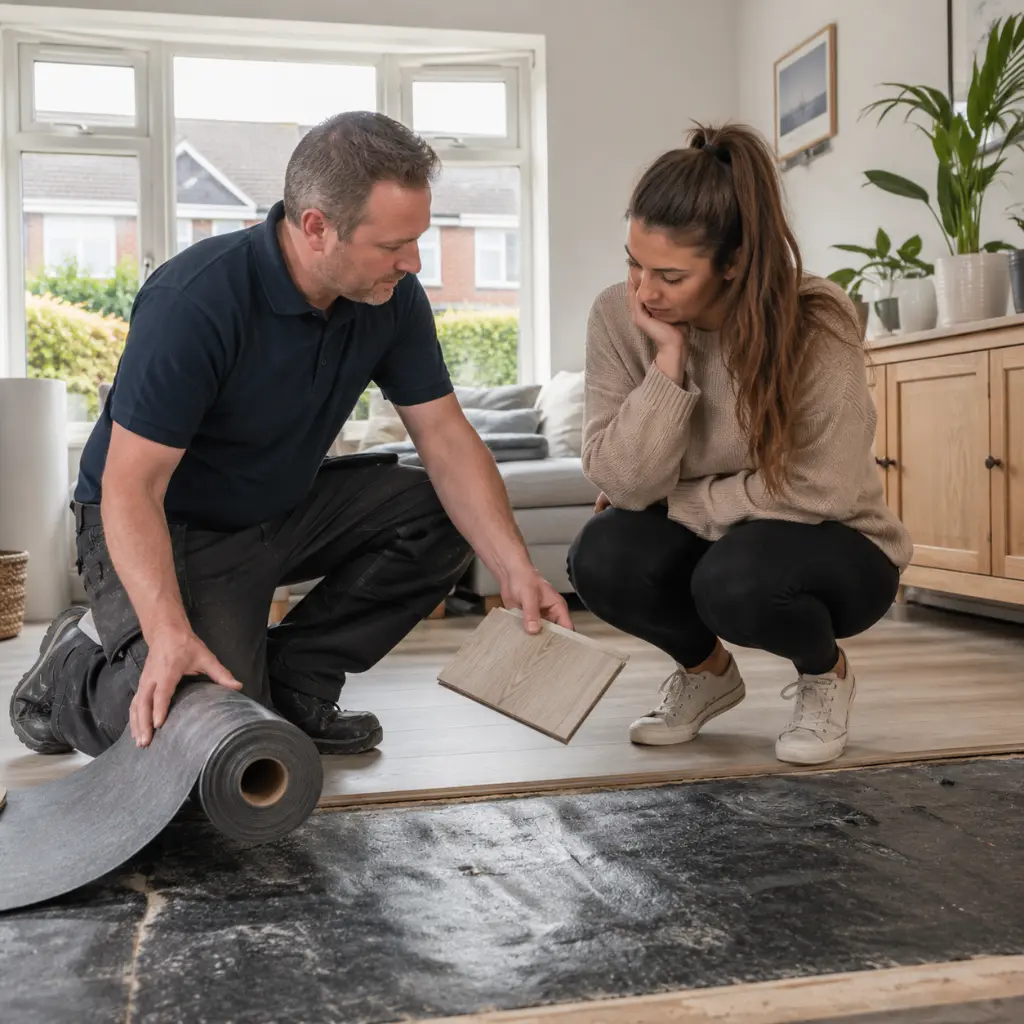
Preparing an uneven floor for vinyl installation is one of the most critical steps in the process. This stage determines how well the flooring performs long-term.
Key preparation considerations include:
Concrete floors may require levelling compounds, while timber floors often benefit from suitable underlay for uneven floors to improve stability and comfort.
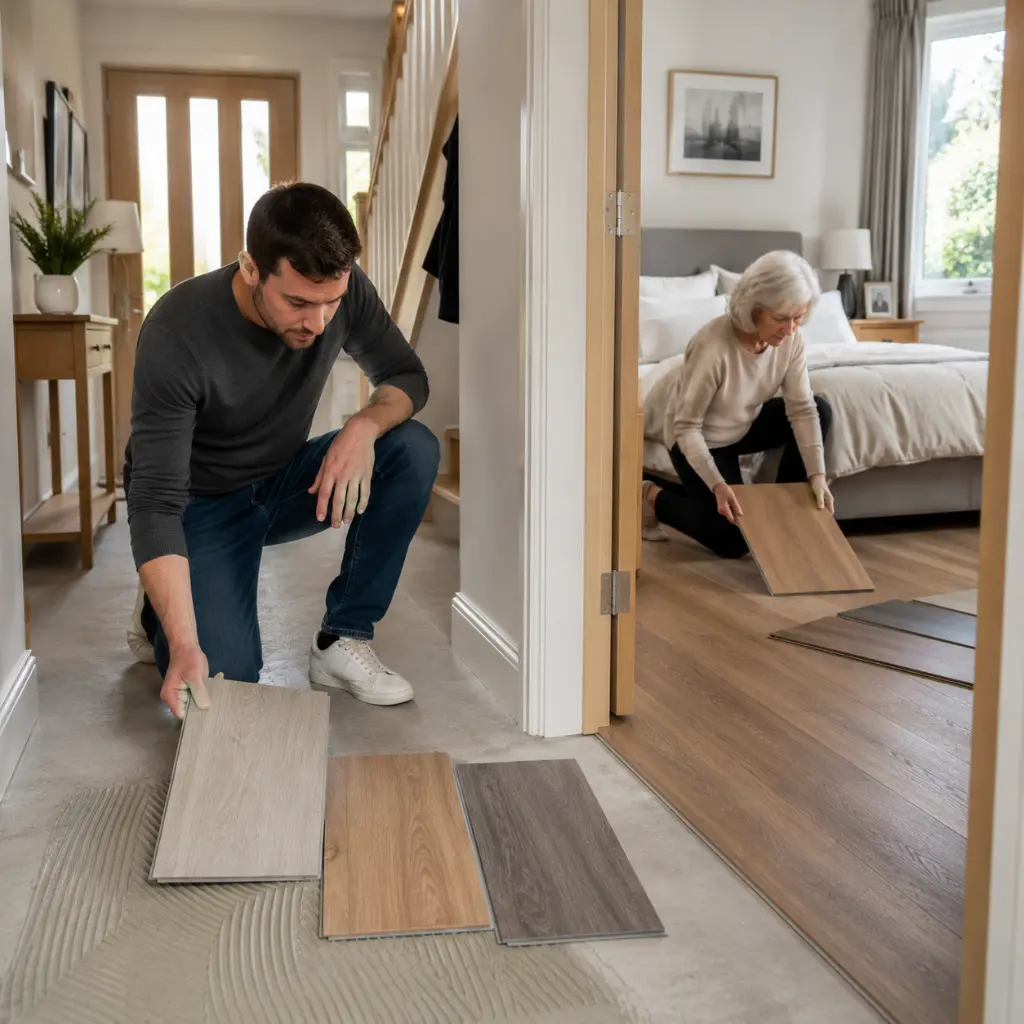
Not all vinyl products perform the same way on uneven surfaces. Thicker vinyl options, such as luxury vinyl plank flooring on uneven floors, often provide better stability and durability.
Many clients prefer LVT flooring on uneven concrete floors because it offers strength while maintaining flexibility. Selecting the best vinyl for uneven floor conditions helps reduce movement, improve comfort underfoot, and create a more even appearance once installed.
Some flooring materials are less forgiving when installed on uneven subfloors. Flooring options to avoid uneven floors include rigid surfaces that cannot flex or adapt to movement.
Hard tiles and stone flooring can crack over time if the subfloor is not perfectly level. In some cases, engineered hardwood on uneven floors may also struggle without extensive preparation. Understanding which materials are unsuitable helps homeowners make confident, long-term decisions.
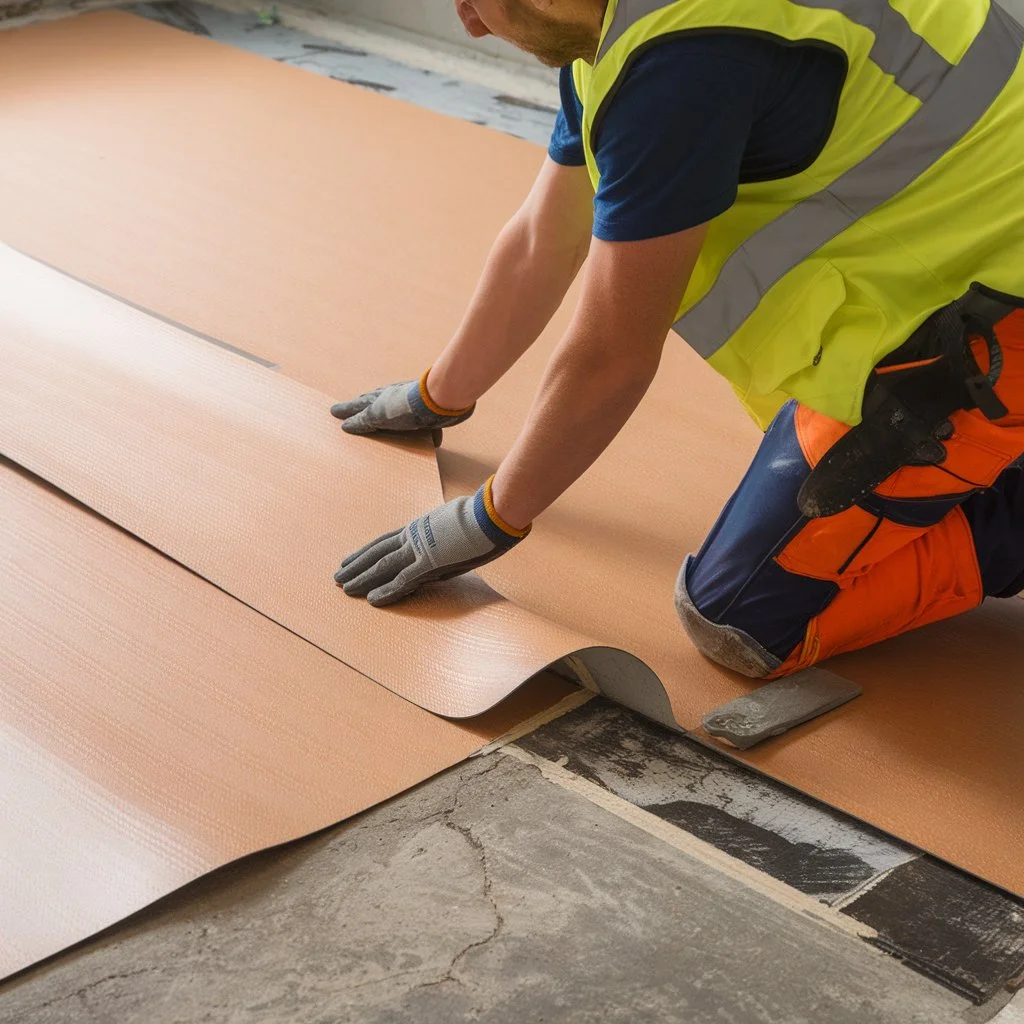
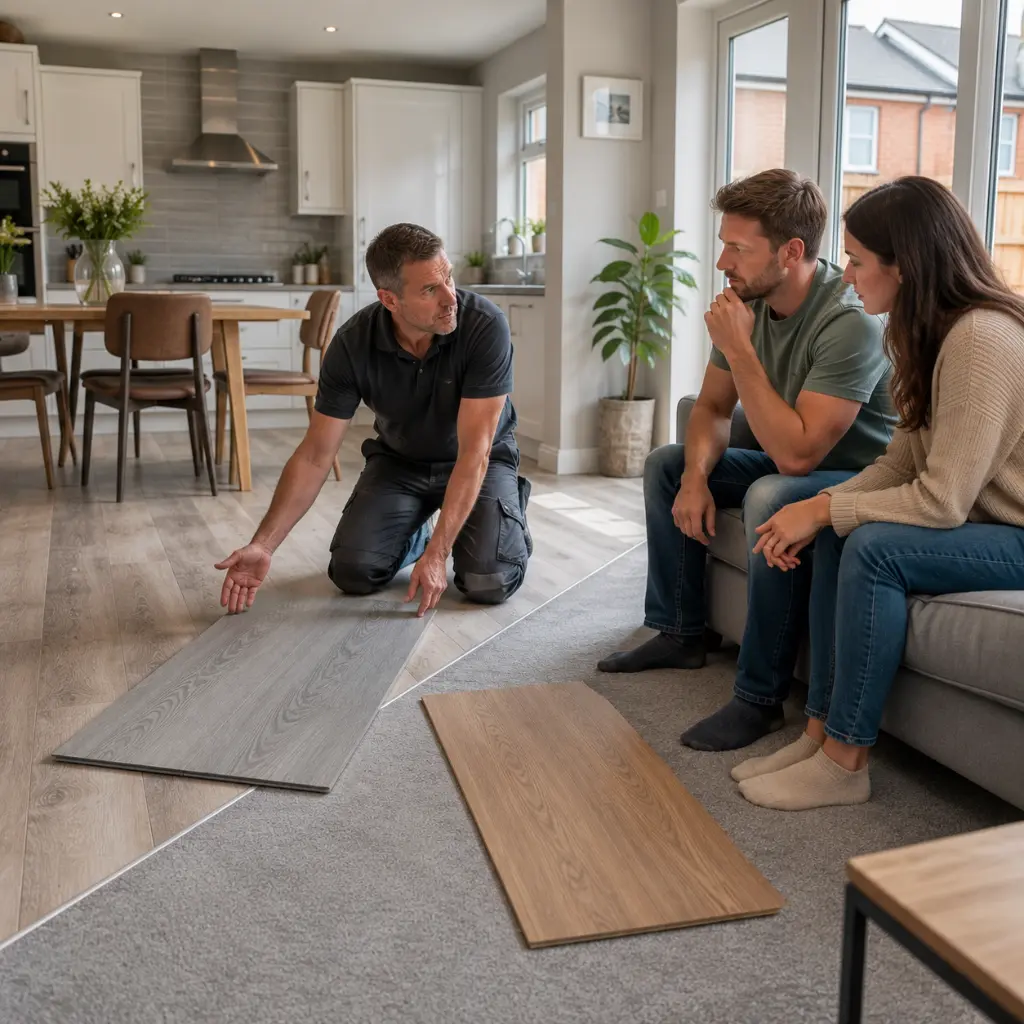
Installing vinyl flooring on uneven floor surfaces requires attention to detail and experience. Professional vinyl flooring installation ensures that subfloor issues are adequately addressed, tolerances are respected, and materials are installed in line with UK standards. Many homeowners find reassurance in knowing that experienced installers can identify issues early and recommend the most suitable flooring approach.
Flooring installation on uneven surfaces often benefits from professional assessment, particularly in older UK homes or commercial spaces with heavy foot traffic. Experienced installers understand how flooring materials behave in real living conditions, including moisture exposure and temperature changes. Professional support reduces the risk of future problems and ensures that flooring for uneven floors performs reliably for years to come.
Installing vinyl flooring on uneven floors can deliver excellent results when approached correctly. The result largely depends on the condition of the subfloor beneath, choosing suitable materials, and ensuring proper preparation before installation begins. With the UK’s varied housing stock and climate considerations, careful planning makes all the difference to durability and appearance.
Floor Coverings Local provides tailored flooring solutions designed around real UK homes and businesses. With expert advice and professional installation, clients can feel confident that their vinyl flooring will look great and perform well long term. Book your consultation to discover flooring solutions that suit your space today.