Vinyl flooring has become a popular choice across UK homes and commercial spaces thanks to its long-lasting performance, low-maintenance care, and broad choice of styles. From busy kitchens to moisture-prone bathrooms, vinyl offers a practical solution that suits modern living. However, many flooring issues don’t come from the material itself, but from avoidable installation mistakes.
At Floor Coverings Local, clients often come to us after experiencing problems caused by rushed preparation, overlooked details, or incorrect fitting methods. Understanding common vinyl flooring installation mistakes helps prevent unnecessary repairs, protects warranties, and ensures your new floor looks great and lasts for years.
Many homeowners assume vinyl flooring is forgiving due to its flexibility and reputation for being easy to install. In practice, vinyl responds to both its environment and the condition of the surface beneath it. Even minor installation errors can result in visible joint gaps, movement underfoot, or premature wear.
In the UK, particularly in older properties, uneven subfloors and fluctuating indoor temperatures are common. Without careful planning and preparation, these conditions can quickly highlight vinyl flooring mistakes—often only becoming noticeable once the space is in regular use.
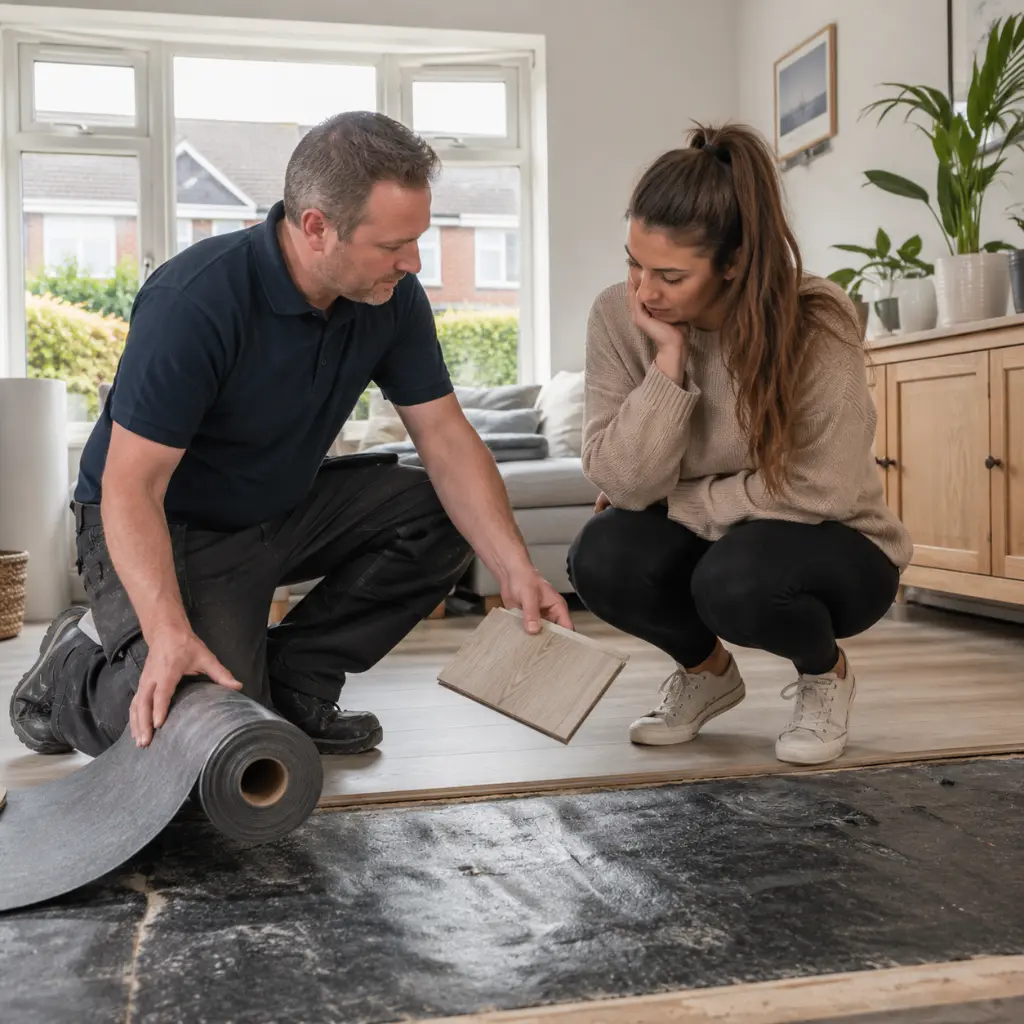
Vinyl flooring subfloor preparation is one of the most critical steps and one of the most overlooked. Any debris, moisture, or unevenness beneath the surface will eventually show through the flooring.
Common issues include:
Floor Coverings Local always ensures subfloors are clean, dry, and stable before installation, helping prevent common vinyl flooring problems later on.
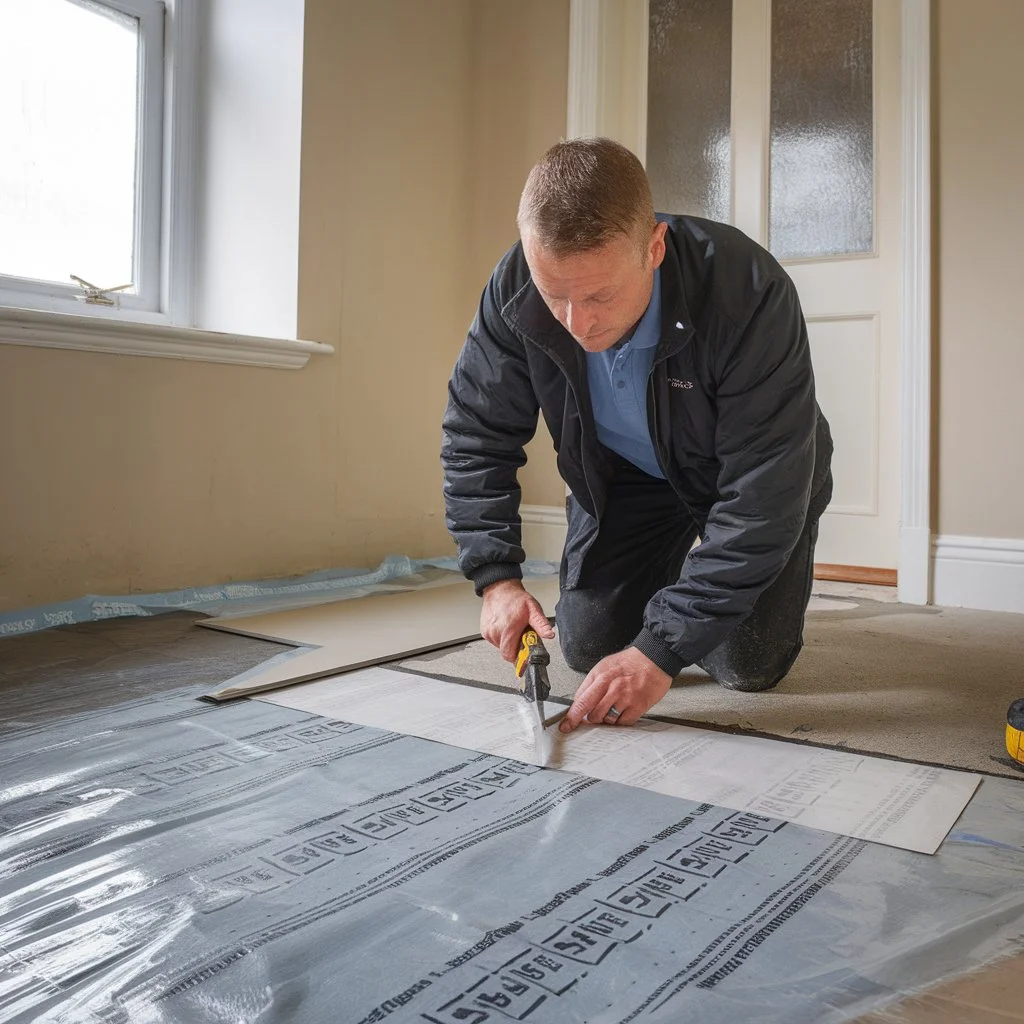
Vinyl flooring naturally expands and contracts as temperatures change, something particularly relevant in UK homes with seasonal heating use. Vinyl flooring expansion gaps allow this movement to happen safely.
Without adequate spacing:
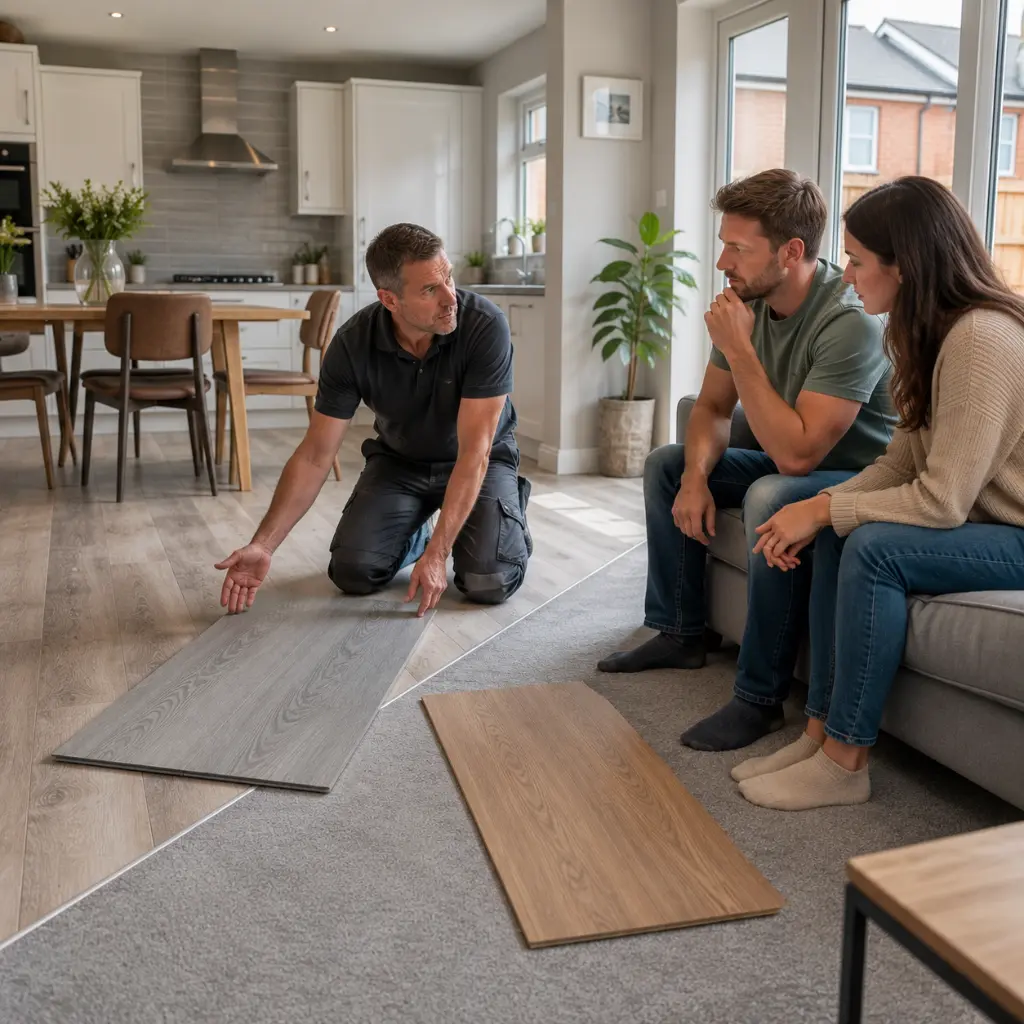
These vinyl flooring mistakes to avoid are critical in larger rooms and open-plan layouts.
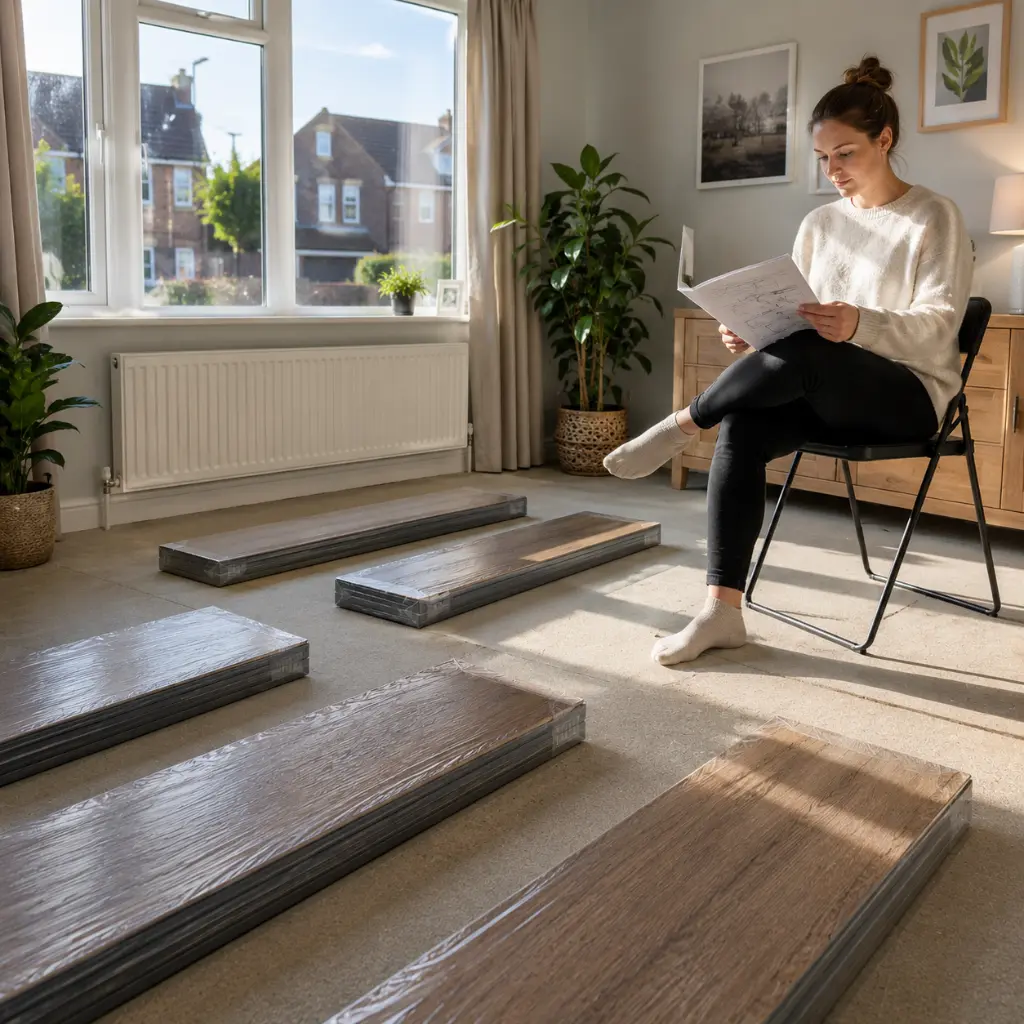
Vinyl flooring operating temperature plays a key role in long-term performance. Flooring that is installed straight from delivery without acclimatising vinyl flooring before installation can shrink or expand unexpectedly. Allowing the flooring to rest in the room where it will be fitted helps it adjust to indoor conditions. This is particularly important in UK homes where temperature fluctuations are common between seasons.
Impact sound underlay for vinyl flooring improves comfort, reduces noise, and supports stability underfoot. Using the wrong underlay or none at all can affect how the floor feels and performs. Many clients prefer quieter floors in upstairs rooms or flats. Choosing the correct underlay also helps protect vinyl flooring warranties and prevents premature wear in high-traffic areas.
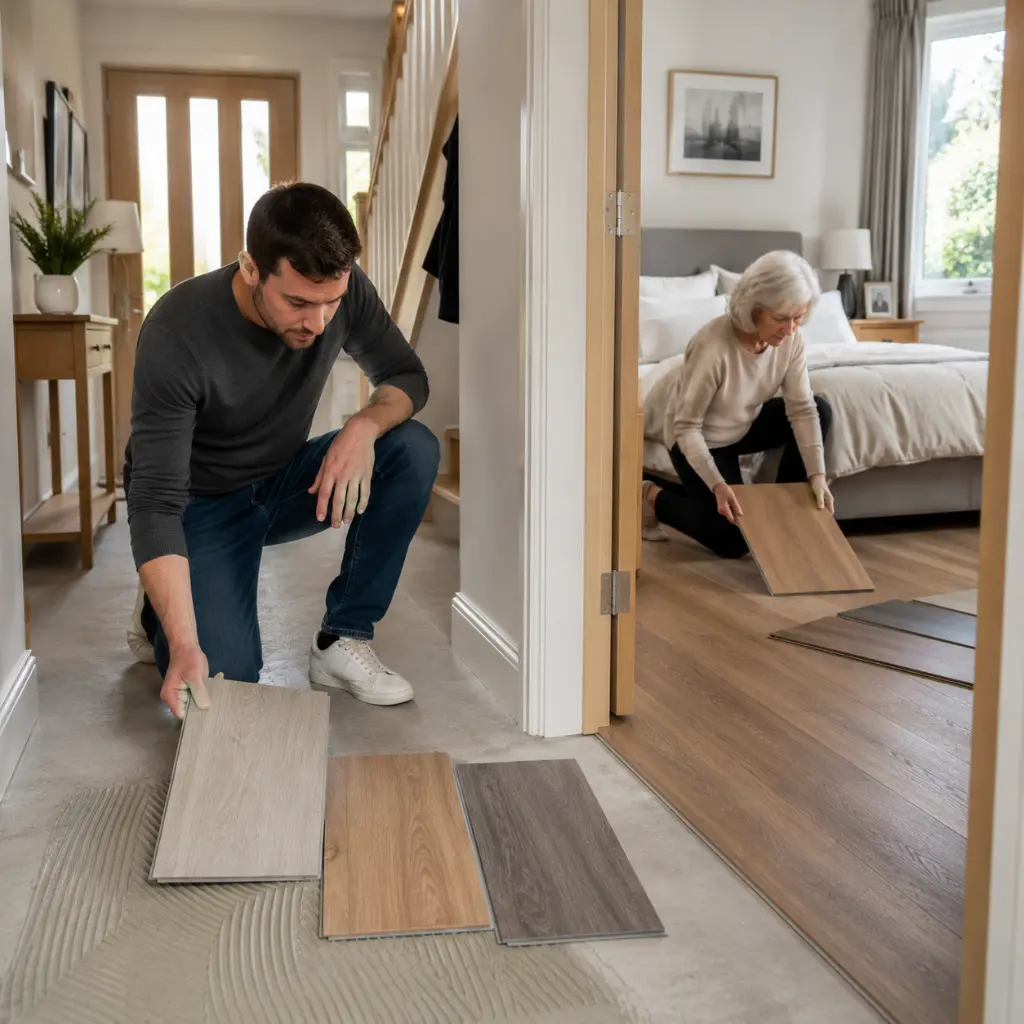
Cutting sheet vinyl flooring correctly requires precision and patience. Poor cuts around door frames, corners, or fixed units can leave visible gaps or uneven edges that spoil the finish. Vinyl plank flooring installation mistakes often happen when cuts are rushed or measurements are inaccurate. Professional fitting ensures clean lines and a seamless appearance, even in awkward spaces.
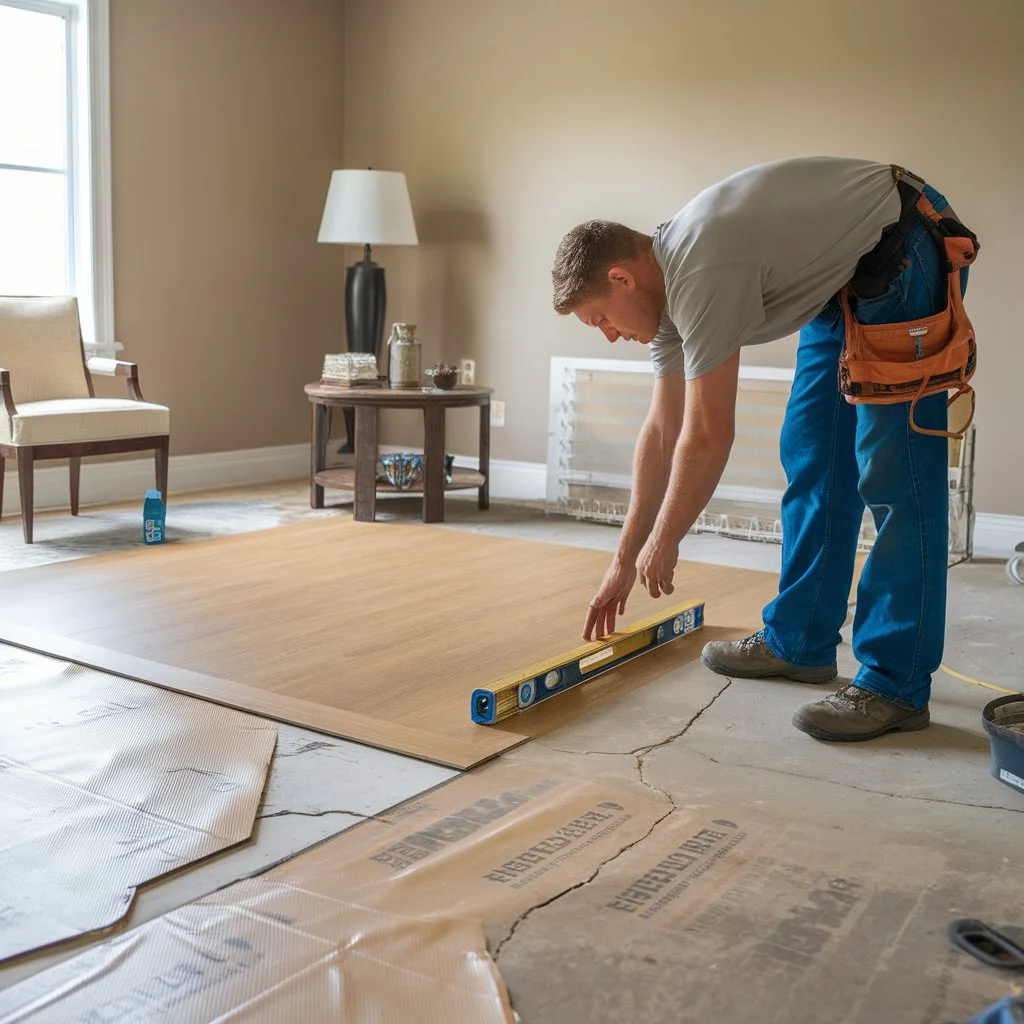
Vinyl flooring for kitchens and bathrooms must be installed with extra care due to moisture exposure. Failing to seal edges properly or ignoring subfloor moisture can lead to damage beneath the surface. Even though vinyl is water-resistant, installation errors in wet areas remain one of the most common mistakes when laying vinyl flooring in UK homes.
Vinyl flooring installation costs aren’t just about materials. Repairs caused by poor installation often cost more than getting the job done correctly from the start. Replacing damaged vinyl flooring due to preventable issues can interrupt daily activities and impact business operations. Investing in expert installation protects both appearance and durability over time.
While DIY installation may seem appealing, vinyl flooring mistakes often arise without hands-on experience. Flooring installation requires understanding how materials behave under real conditions. Floor Coverings Local regularly supports clients who prefer reassurance, especially in complex layouts or commercial spaces where flooring for heavy foot traffic must perform reliably.
Avoiding vinyl flooring installation mistakes starts with proper preparation, careful planning, and understanding how UK homes influence flooring performance. From managing expansion gaps to ensuring the correct underlay and subfloor conditions, attention to detail makes a lasting difference. Book your consultation with Floor Coverings Local to discover reliable vinyl flooring solutions for your home or business today.