
Bathroom Flooring Choices for Your Home
A bathroom floor is one of the first things you stand on each morning and one of the last at night, so it is worth choosing one you like. This guide compares the main options for a bathroom floor, from tile and vinyl to laminate, wood and carpet, so you can see what each one is good at and where it struggles.
Water is the main test. A bathroom floor has to cope with splashes, steam and the occasional puddle, and it also has to look good, feel comfortable underfoot and last. Which type suits you depends on the room. A family bathroom, an en suite and a full wet room each ask something different, and our guide to choosing flooring for a wet room or a standard bathroom explains the difference.
Porcelain and Ceramic Tiles
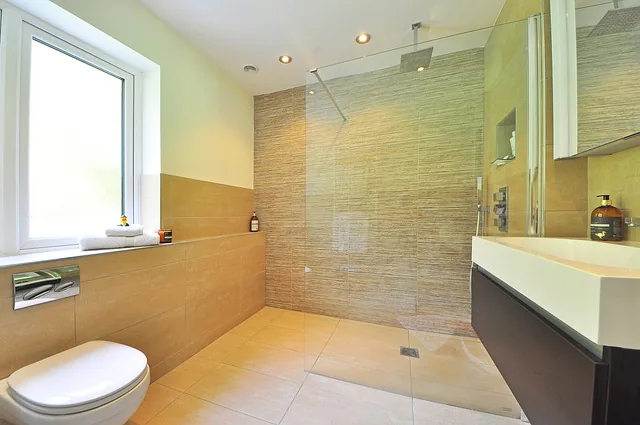
Tiles are a classic choice for bathroom floors. They resist water, come in a huge range of styles, and are easy to keep clean. Porcelain is less water-absorbent than ordinary ceramic, so it copes well with standing water in a shower area. The downside is that tiles feel hard and cool underfoot. Underfloor heating takes the chill off, and our guide to the best flooring options for underfloor heating shows what suits it.
Large-Format and Patterned Tiles
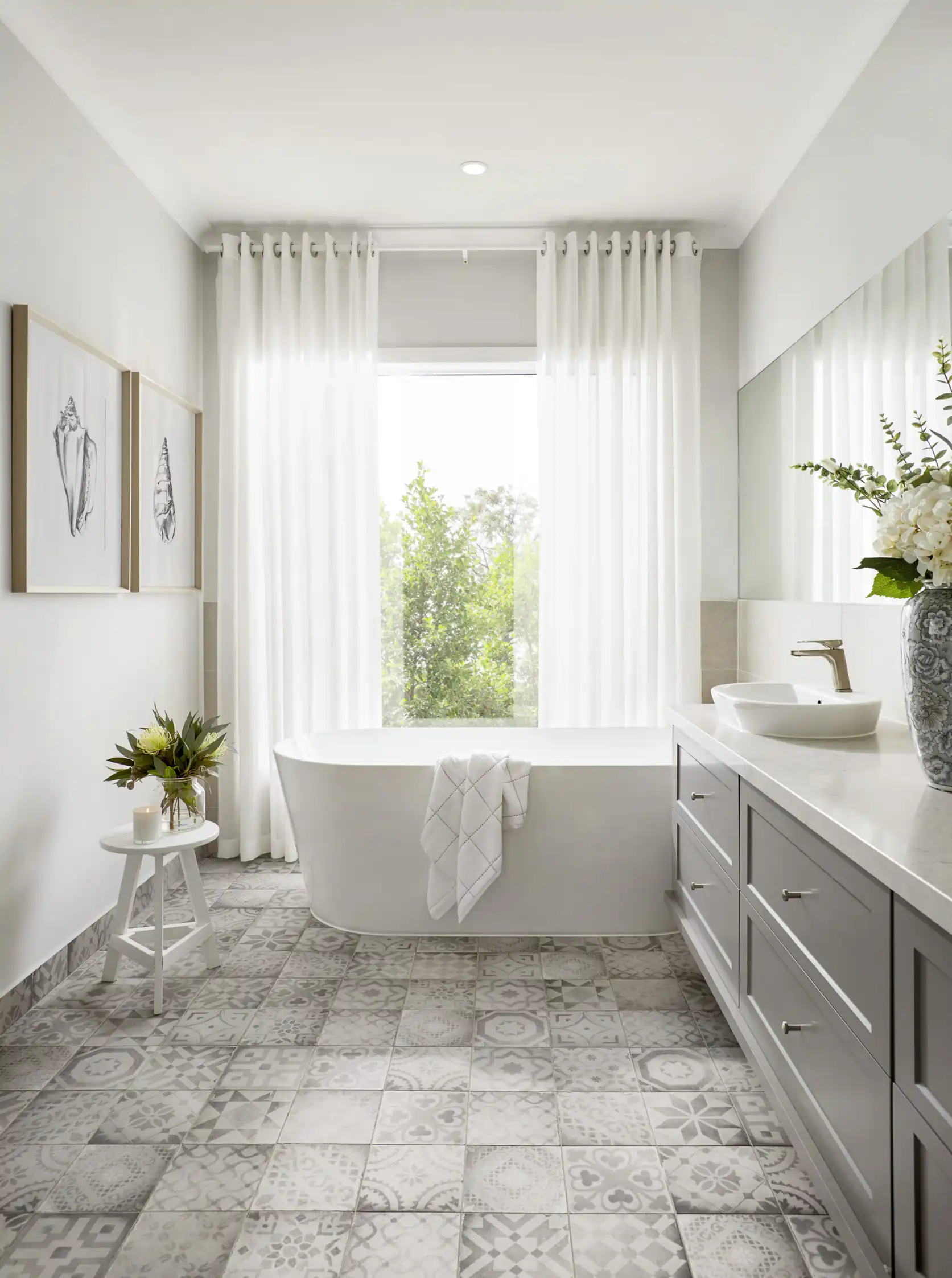
Large tiles mean fewer grout lines, which makes the floor easier to clean and can make a small bathroom look bigger. They cost more, and they need a skilled fitter because they are harder to cut and lay without breakage. Order an extra 10 per cent to cover breakages. Patterned tiles add character, and carrying the same pattern from floor to wall gives an unbroken finish. Mosaic, octagonal and elongated shapes make a distinctive floor.
Natural Stone
Marble, granite, limestone and other natural stones are durable, hard-wearing and attractive, and they suit underfloor heating. They are also harder to fit and cost more than other tiles. Stone is porous, so it needs sealing from time to time to keep moisture and dirt out. It can be slippery when wet, so choose a textured finish for grip. If you like the look but want something simpler to live with, see our stone effect vinyl.

Vinyl and Luxury Vinyl Tile
Vinyl comes in a wide range of colours and designs, from wood and stone looks to tile effects, and it copes well with water, which is why it is so popular in bathrooms. It suits anyone who wants a bathroom makeover without spending a fortune. Waterproof types such as WPC and SPC vinyl suit bathrooms, and thicker vinyl is usually more comfortable underfoot and more durable.
Luxury vinyl tile (LVT) is warm underfoot and dimensionally stable, and it works with underfloor heating. Our guides cover waterproof vinyl in a bathroom and luxury vinyl tiles for bathrooms, and vinyl flooring with underfloor heating explains what to check first.
Laminate in a Bathroom
Laminate is a durable, affordable way to get a wood look. Its smooth, protective surface wipes clean, and the layered construction resists scuffs and scratches. Water is its weak point, though. Standing water can damage the joints, so use a laminate made for bathrooms, fit it carefully and wipe up puddles quickly. Our guide to waterproof laminate in a bathroom covers the choices, and our laminate installation guide shows how it goes down. For cleaning, see how to clean laminate flooring.
Wood in a Bathroom
Wood and water do not mix well, but engineered wood is a workable exception. Its layers make it more stable than solid wood and limit the movement that causes warping. Wipe up spills promptly and keep the room ventilated, and choose a textured finish for extra grip. Solid wood is a poorer fit (see below).

Bamboo and Rubber
Bamboo needs sealing to protect it from water. It can fade and dent, and not everyone likes the look. Rubber needs little maintenance, but avoid strong detergents because they can degrade and discolour it.
Lino
Lino is made from natural materials, including wood by-products, jute and pigments. It is easy to clean, warm underfoot and comes in a wide range of patterns and colours. It does scratch easily.
Stained Concrete
Concrete can be stained in many colours and resists wear. It needs expert help to lay and finish, the stain is not waterproof, and it can be slippery when wet. Some products also discolour over time, so ask about the product before you decide.
Carpet in a Bathroom
Ordinary carpet is a poor match for a bathroom, even though it feels cosy on a night-time trip to the loo. It needs more upkeep than a hard floor, many cleaners that suit tile or lino cannot be used on it, and it can hold moisture and grow mould in a poorly ventilated room. If you want carpet underfoot, washable bathroom carpet and carpet tiles are made for the job, and our guide explains how long washable bathroom carpets last.
Solid Hardwood
Solid hardwood is not a popular choice for bathrooms. It has to be sealed properly to keep water out, and if the sealing fails, water gets in and the floor can go mouldy. It also needs frequent resealing, with a polyurethane coating, to protect it. Engineered wood is the better option if you want a wood floor.
Frequently Asked Questions
Do big tiles look good in a small bathroom?
Yes. Larger tiles have fewer grout lines, so the floor looks less broken up and the room can look bigger than it is.
What is the easiest bathroom flooring to install?
Waterproof laminate bathroom flooring, vinyl flooring and engineered wood are usually the easiest to fit.
Which is better for a bathroom, vinyl or laminate?
Vinyl, for most modern bathrooms, because it is water resistant and water is the main test in a bathroom. Read our guide to how long laminate flooring lasts for the other side of the comparison.
Choosing Your Bathroom Floor
Pick the material that suits how the bathroom is used, then choose the texture and colour to match. A floor made for wet rooms, a good fit and some ventilation matter more than any single material. If you would like to see samples in the room itself, our Home Showroom service brings them to you. You can book a free home visit or call 0800 920 2092.
See also: Laminate vs Vinyl Flooring.

