When refreshing a home or commercial space, many UK property owners wonder whether they can install new vinyl flooring over old flooring rather than removing what’s already there. It’s a sensible question. Lifting existing floors can be disruptive, time-consuming, and costly—especially in occupied homes or busy commercial environments.
In some situations, installing vinyl over an existing surface can be a practical solution. However, this approach isn’t suitable for every property or floor type. The success of overlaying depends heavily on the condition of the old floor, the type of vinyl being installed, and how well the surface is prepared beforehand. With the UK’s mix of older buildings, seasonal temperature changes, and moisture-prone rooms such as kitchens and hallways, careful consideration is essential. This guide explains when installing new vinyl over old flooring makes sense and when professional advice is the better option.
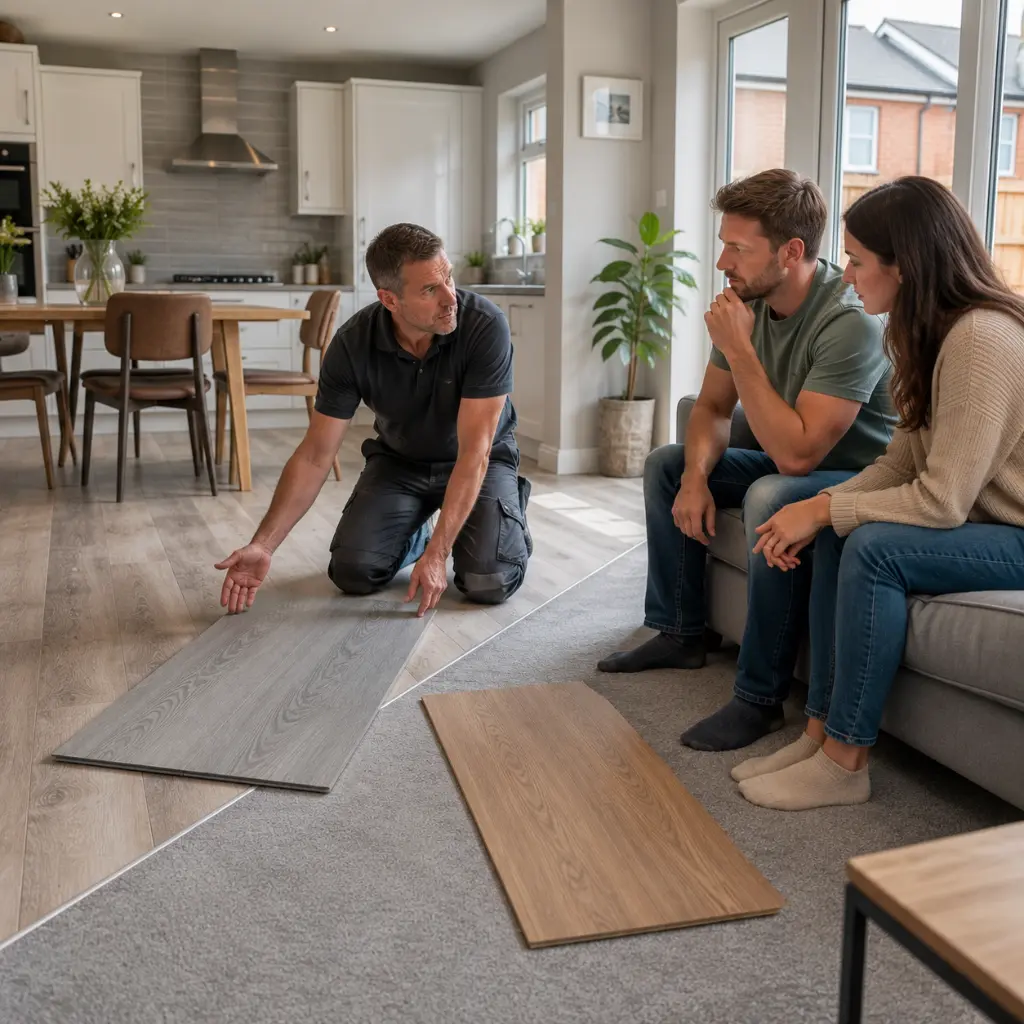
Many clients choose flooring over old flooring to reduce disruption and speed up renovation projects. Skipping removal can make a noticeable difference in homes that are lived in daily or commercial spaces that need to stay operational. It often allows work to be completed more efficiently, with less mess and fewer delays.
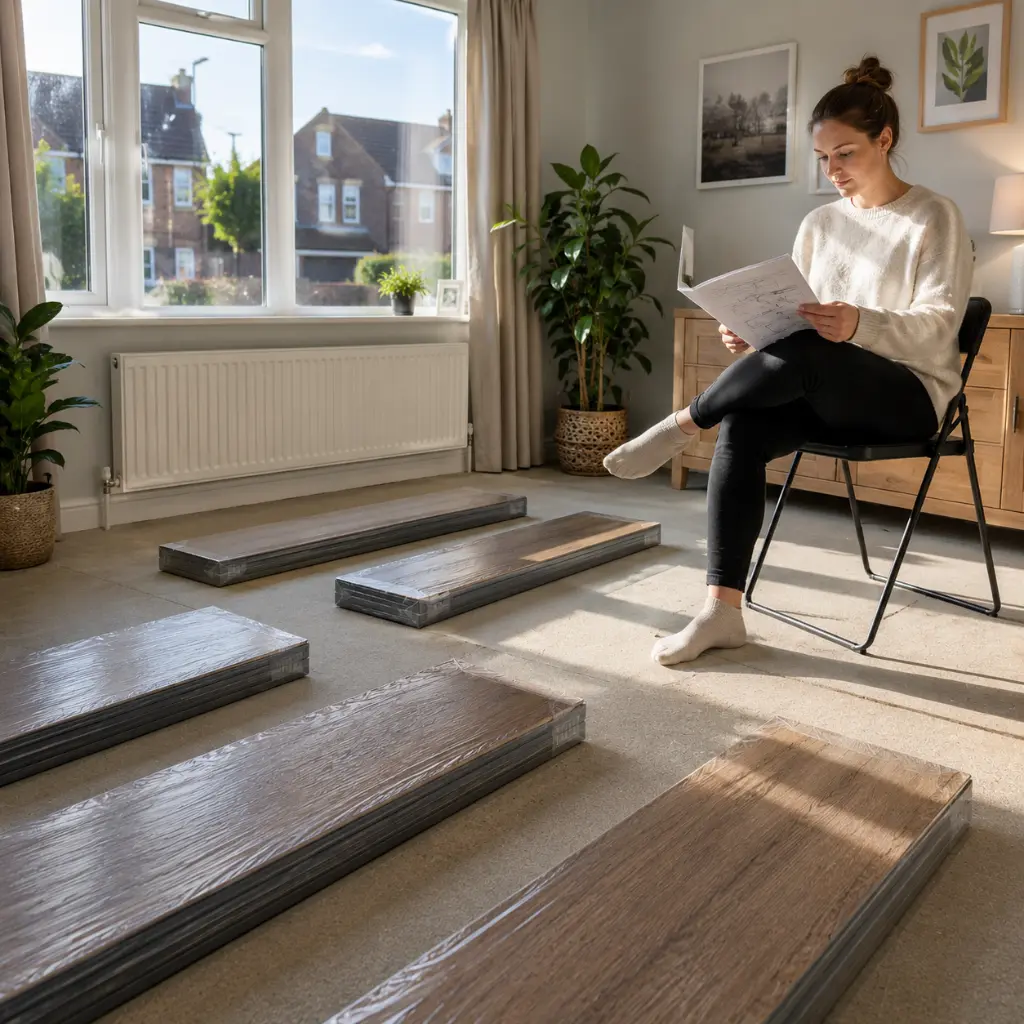
While overlaying offers clear convenience, taking the time to properly assess the existing flooring helps ensure the best possible outcome. The condition of the original surface plays an important role in how the new vinyl performs. By identifying and addressing any underlying issues early, homeowners can achieve a durable, well-finished floor that maintains its appearance and performance over time.

In some instances, yes. If the existing vinyl flooring is firmly fixed, level, and free from damage, it may be possible to install new vinyl directly over it. This situation is often seen in kitchens, utility rooms, or commercial settings where disruption needs to be kept to a minimum.
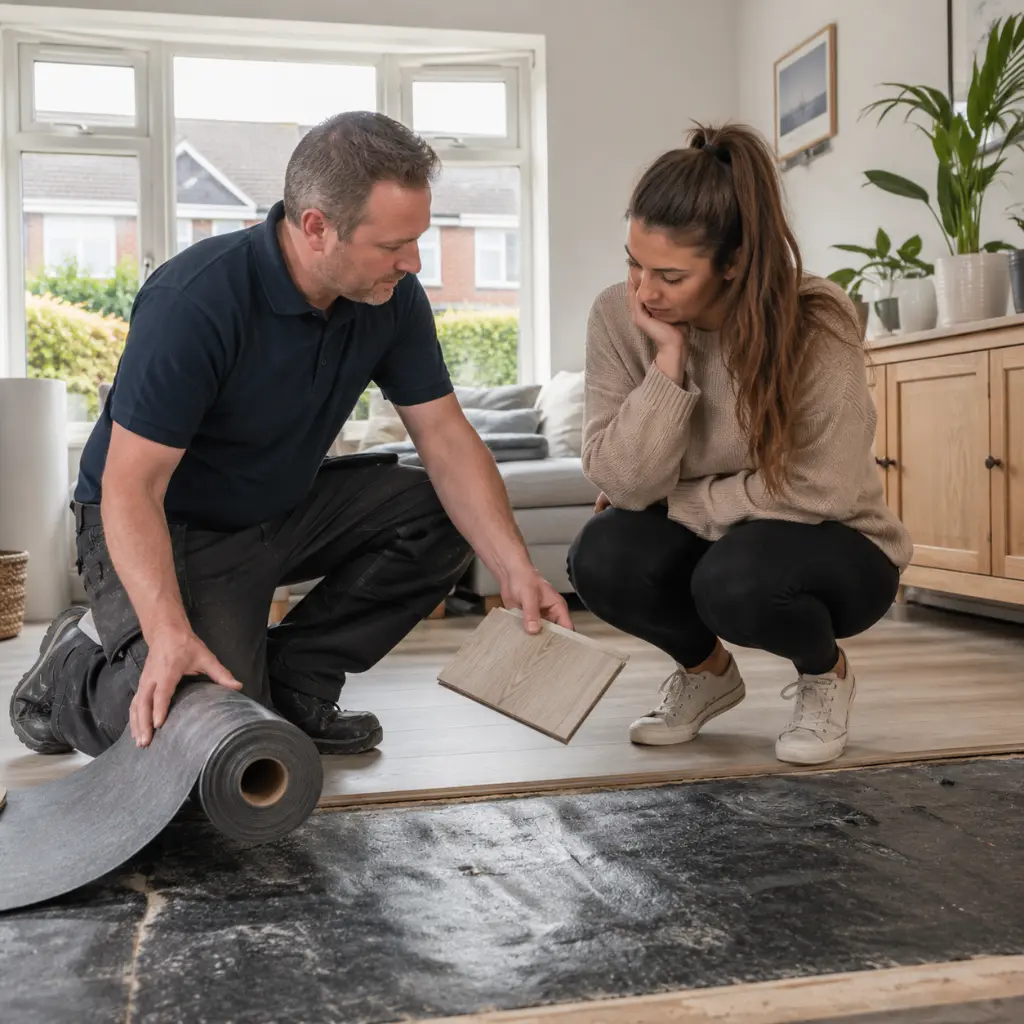
Problems arise when old vinyl shows signs of lifting, bubbling, uneven wear, or moisture damage. In these cases, installing new vinyl over the top can cause those issues to transfer straight through to the new floor. Careful inspection is key before deciding whether overlaying or removal is the better long-term solution.
Before installing vinyl flooring over existing floors, several important factors should be considered. The surface must be flat, stable, and dry. Even small imperfections can influence how vinyl performs over time, especially in high-traffic areas.
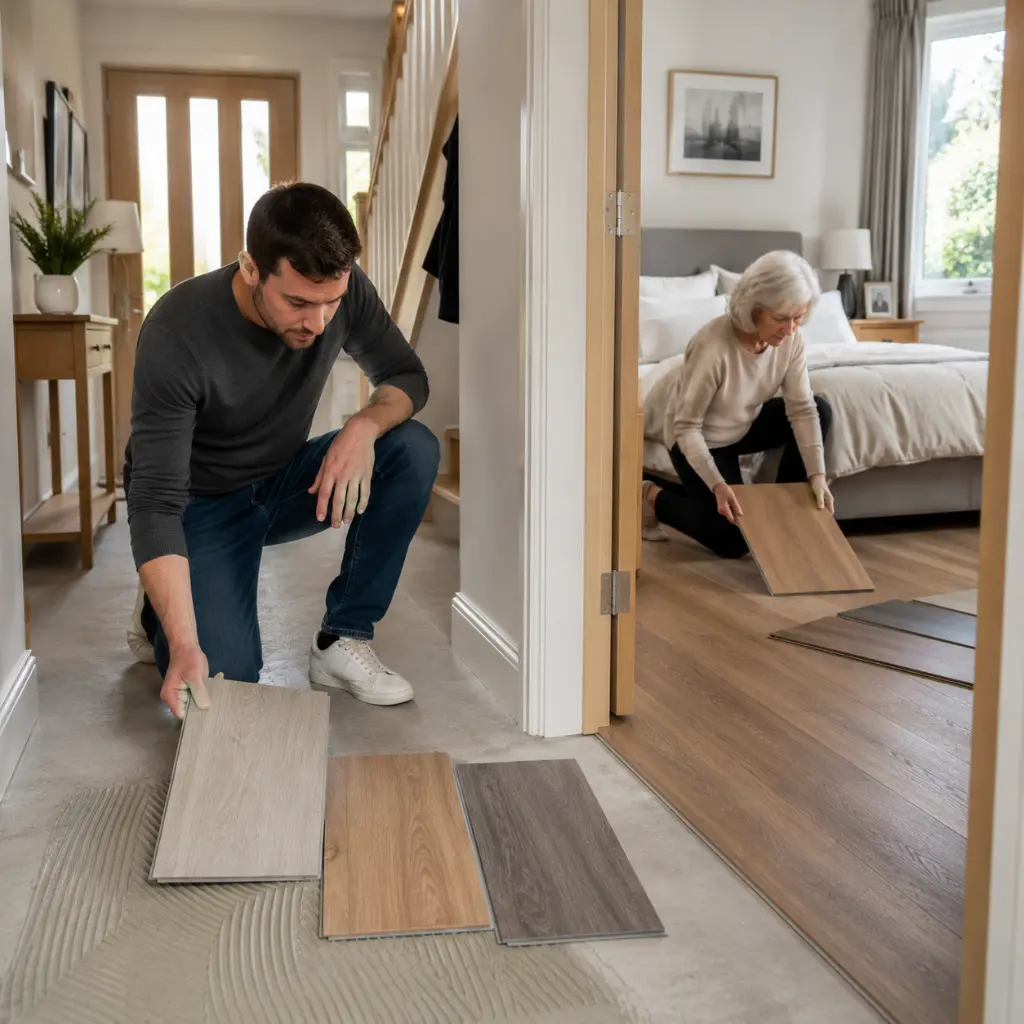
UK homes often experience subtle movement caused by temperature fluctuations and indoor humidity. These conditions can place stress on layered flooring if the base isn’t suitable. Door clearance is another common concern, as additional floor height can affect how doors open and how rooms transition into one another.
Vinyl performs differently depending on the surface beneath it. Installing vinyl flooring over existing floors can work well when the base is solid and stable.
Problems are more likely when vinyl is laid over floating floors, which are designed to move. Laminate flooring over old flooring is rarely recommended for this reason. Installing LVT over old floors can be successful when the base is firm and level. Understanding these differences helps homeowners avoid installation issues that may only become visible months later.
Preparing old flooring for new installation is often what determines whether the overlay succeeds. Even when the existing floor looks acceptable, it still needs to be thoroughly cleaned and checked for minor defects. Small ridges, adhesive residue, or moisture can all affect how vinyl behaves once installed.

While overlaying can save time, removing old flooring is sometimes the more reliable option. Lifting the existing surface allows the subfloor to be inspected and repaired, reducing the risk of hidden issues affecting the new vinyl. Professional flooring installation advice can help weigh short-term convenience against long-term performance. In many cases, removal leads to a more consistent finish and greater peace of mind, particularly in older UK properties.
So, can you install new vinyl flooring over old flooring? In many situations, the answer is yes—especially when the existing surface is stable, level, and properly prepared. Overlaying can be an efficient way to refresh a space with minimal disruption, and it can work particularly well when installing vinyl for bathroom floor areas where durability and moisture resistance are key considerations.
Floor Coverings Local provides tailored assessments based on each property’s needs. Whether overlaying is suitable or removal is recommended, professional installation helps ensure the flooring performs as intended and maintains its appearance over time. Book your consultation to discover the right flooring solution for your property today.