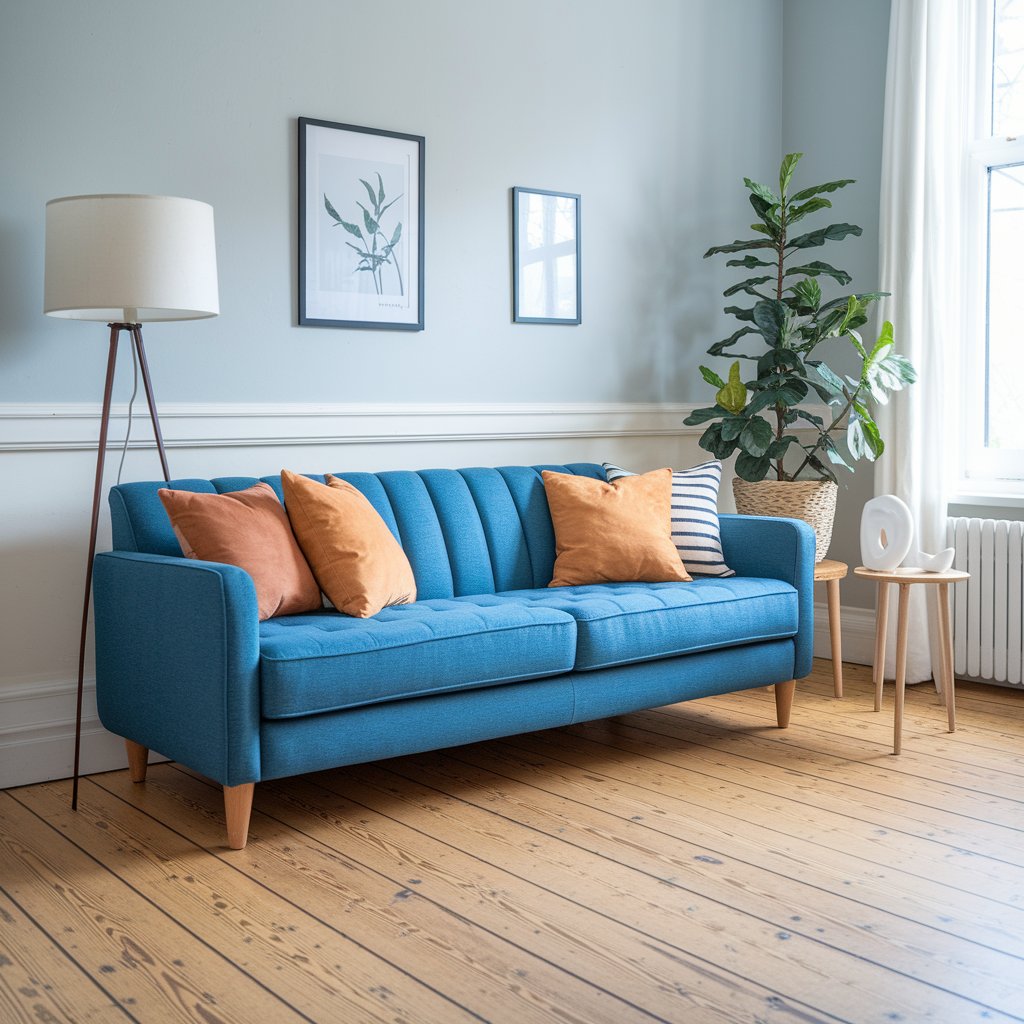
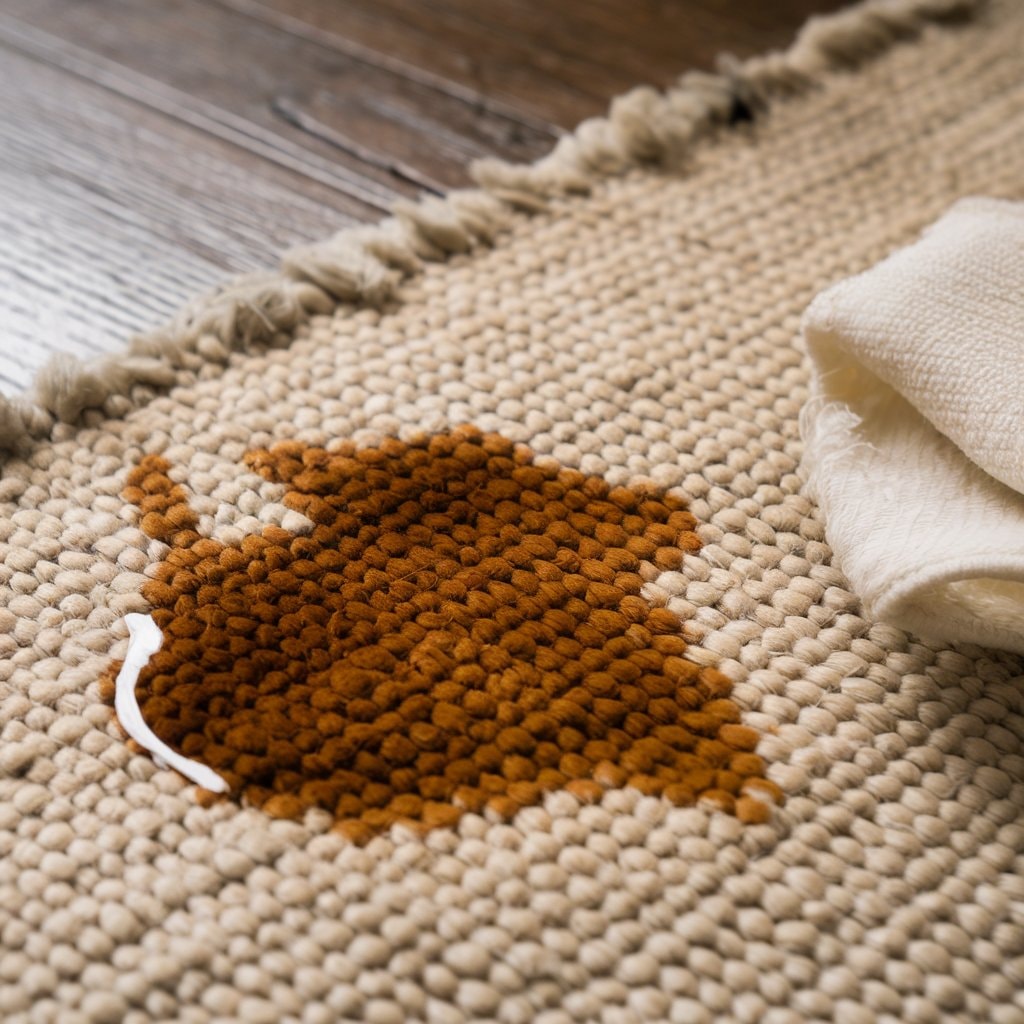
Furniture marks are one of the most common carpet concerns in UK homes. After moving a sofa, bed, or dining table, many homeowners notice visible dents that don’t spring back as expected. Knowing how to get furniture marks out of carpet can help restore the room’s appearance without damaging the fibres or shortening the carpet’s lifespan.
With the UK’s varied climate, changes in humidity and temperature can affect carpet fibres, making carpet indentations more noticeable over time. Whether the carpet is wool, synthetic, or a structured loop style, furniture pressure can leave lasting impressions if not addressed correctly. Understanding why these marks appear and how to remove them safely helps maintain comfort, appearance, and long-term value.
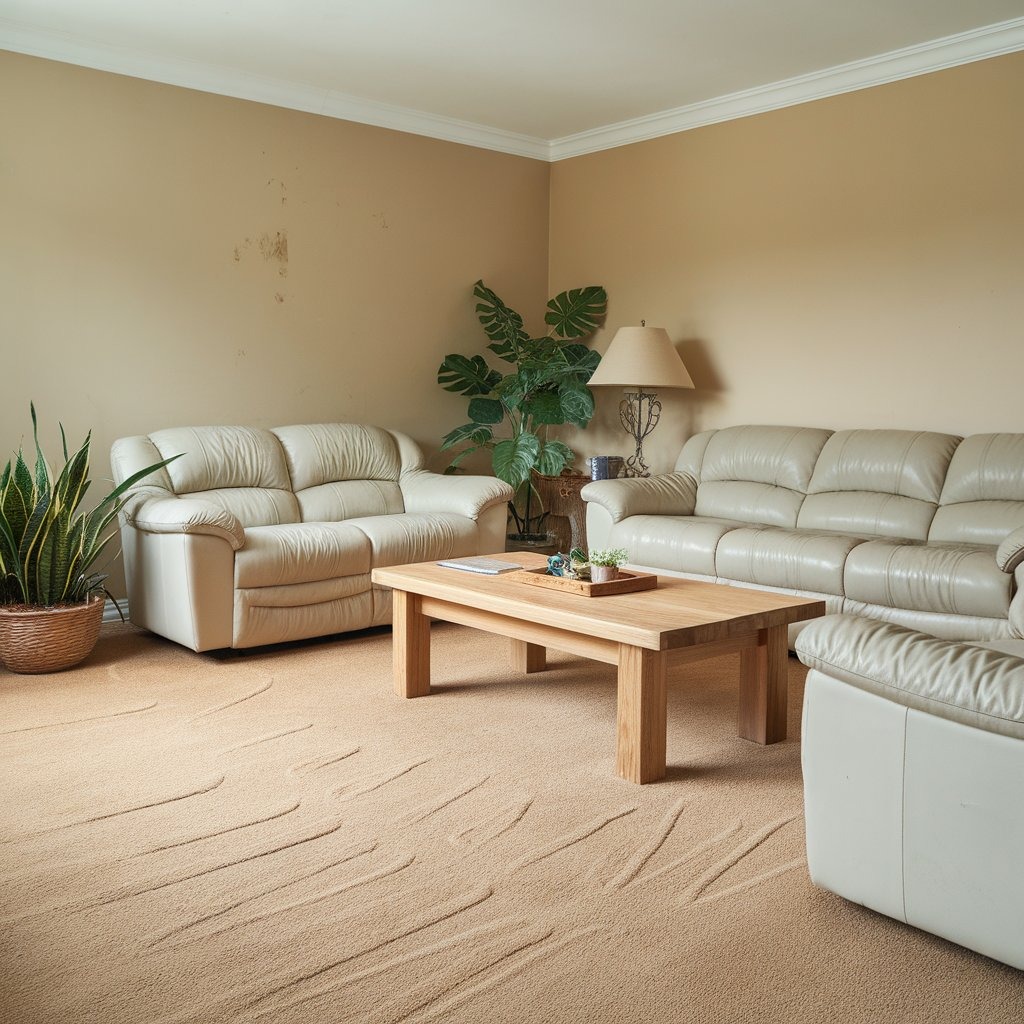
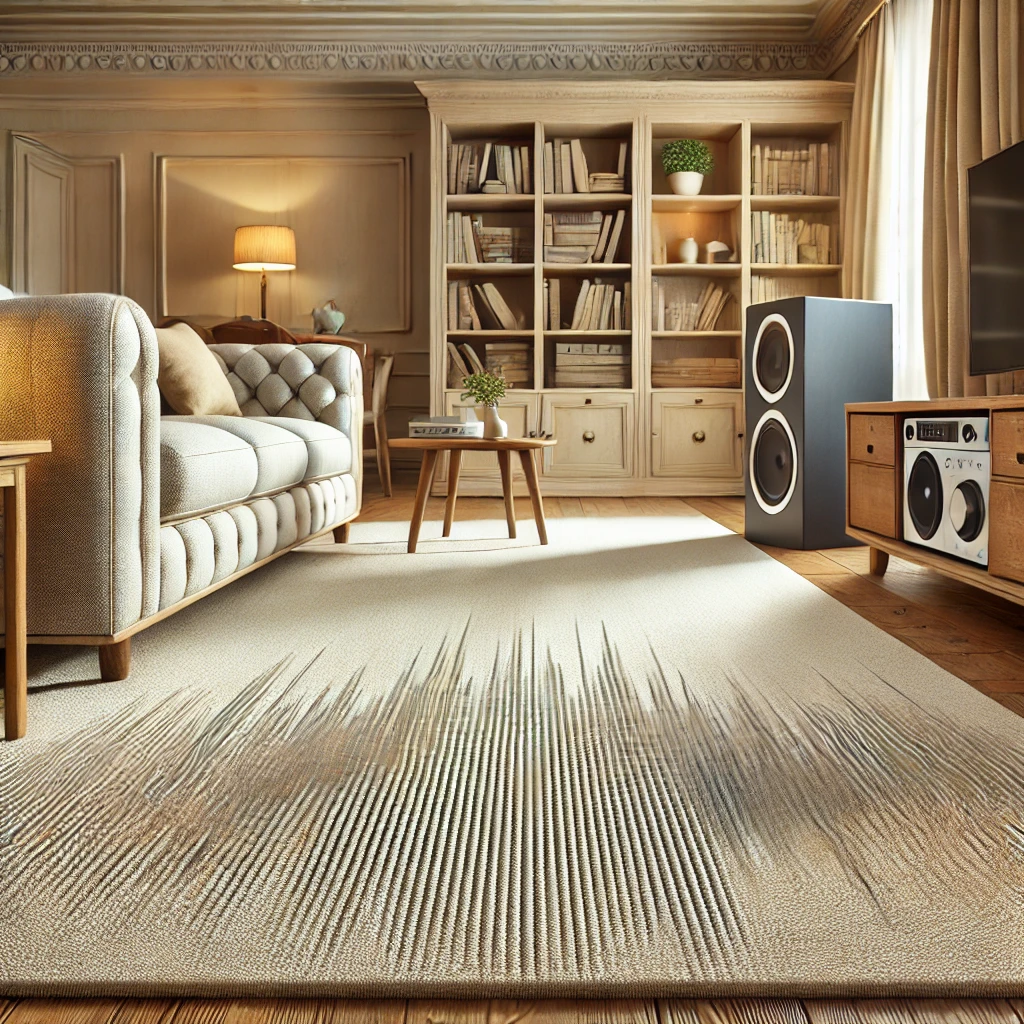
Furniture marks in carpet develop when weight compresses the carpet pile and the underlay beneath. Over time, fibres lose their ability to bounce back, especially in centrally heated homes where air can be dry in winter and humid in warmer months. Knowing what causes the dents allows you to remove them safely and effectively.
When homeowners ask how to get furniture impressions out of carpet, the goal is always fibre recovery without stress or damage. Gentle methods encourage carpet fibre recovery by relaxing and lifting compressed strands.
Effective approaches include:
These techniques work well for recent marks and help restore the carpet pile naturally.
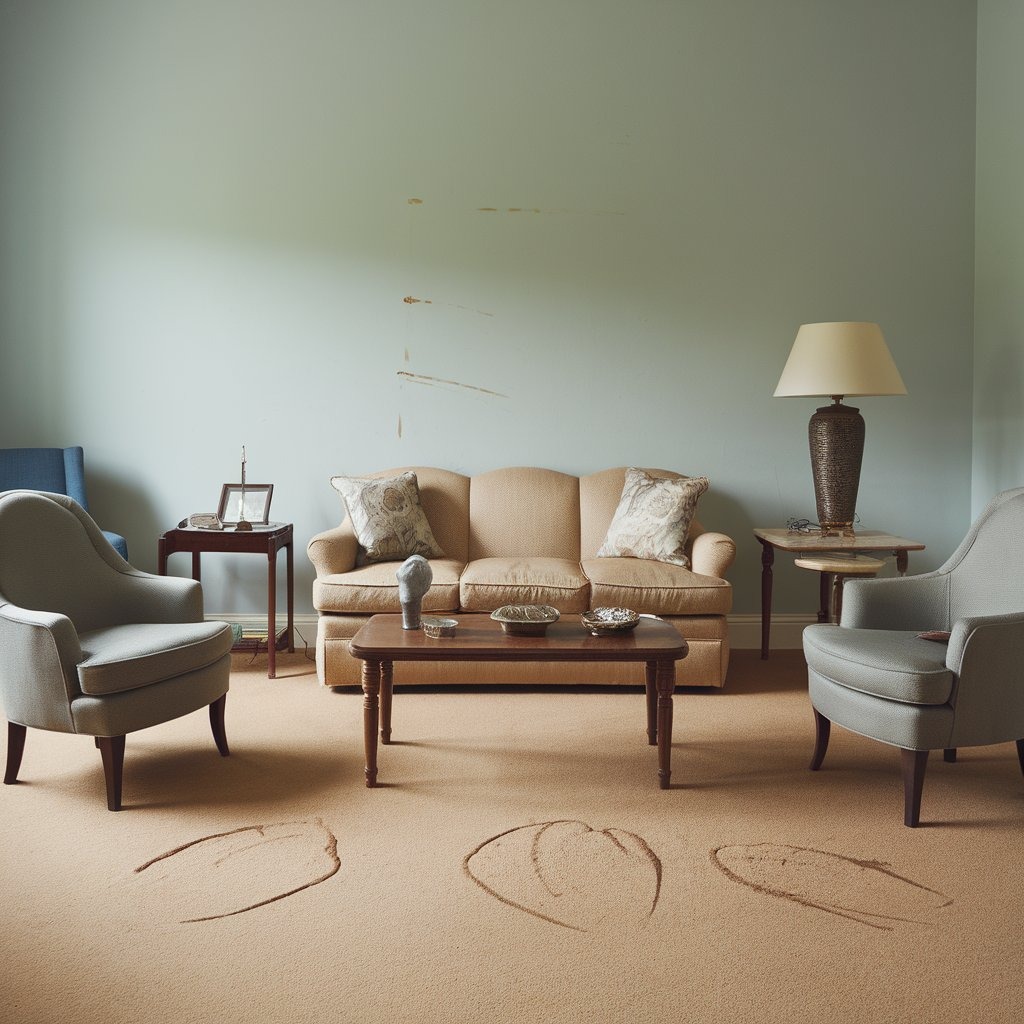
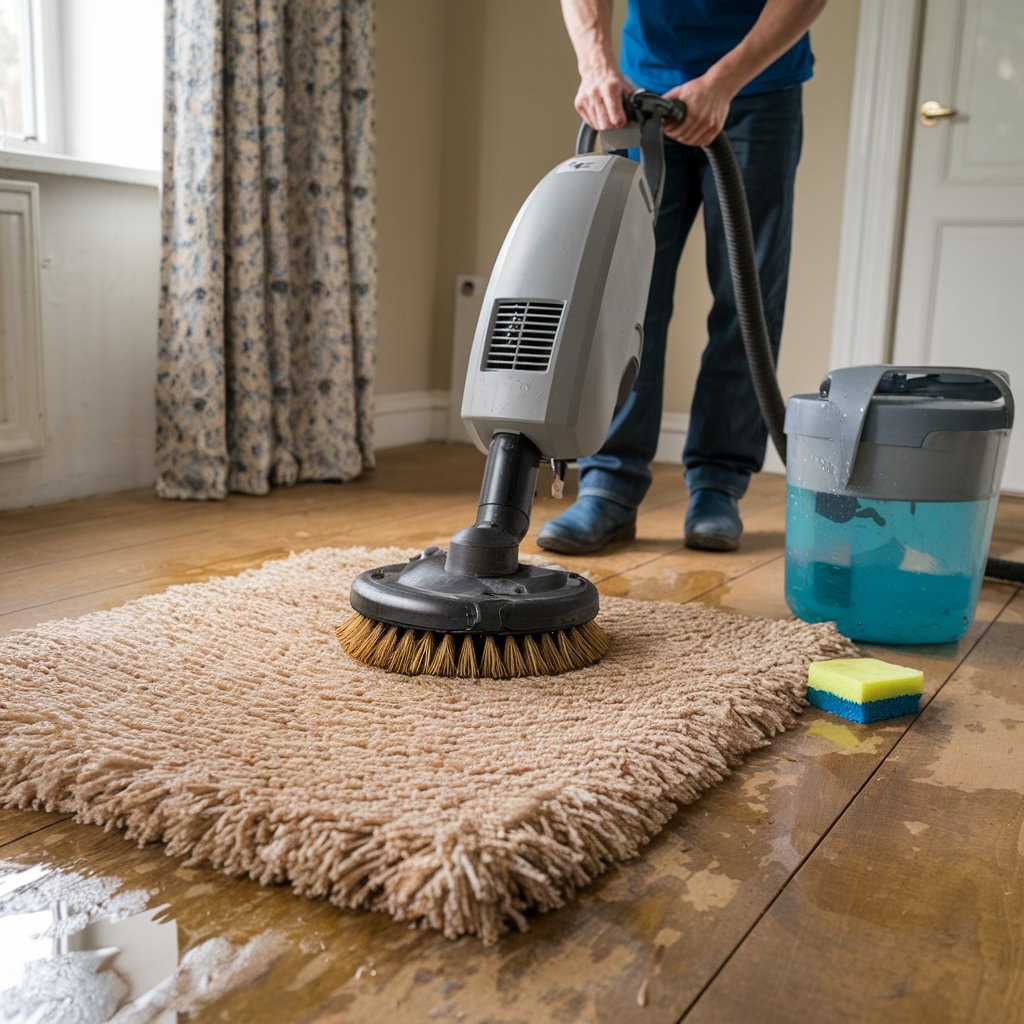
One of the most reliable methods involves gentle heat. Many homeowners find success when they steam carpet to remove dents, as warmth relaxes fibres and allows them to recover.
Light steam, never soaking, can help remove carpet indentations, especially in living rooms and bedrooms. It’s reassuring to know that professional care ensures moisture is carefully controlled, helping prevent issues such as shrinkage or lingering dampness.
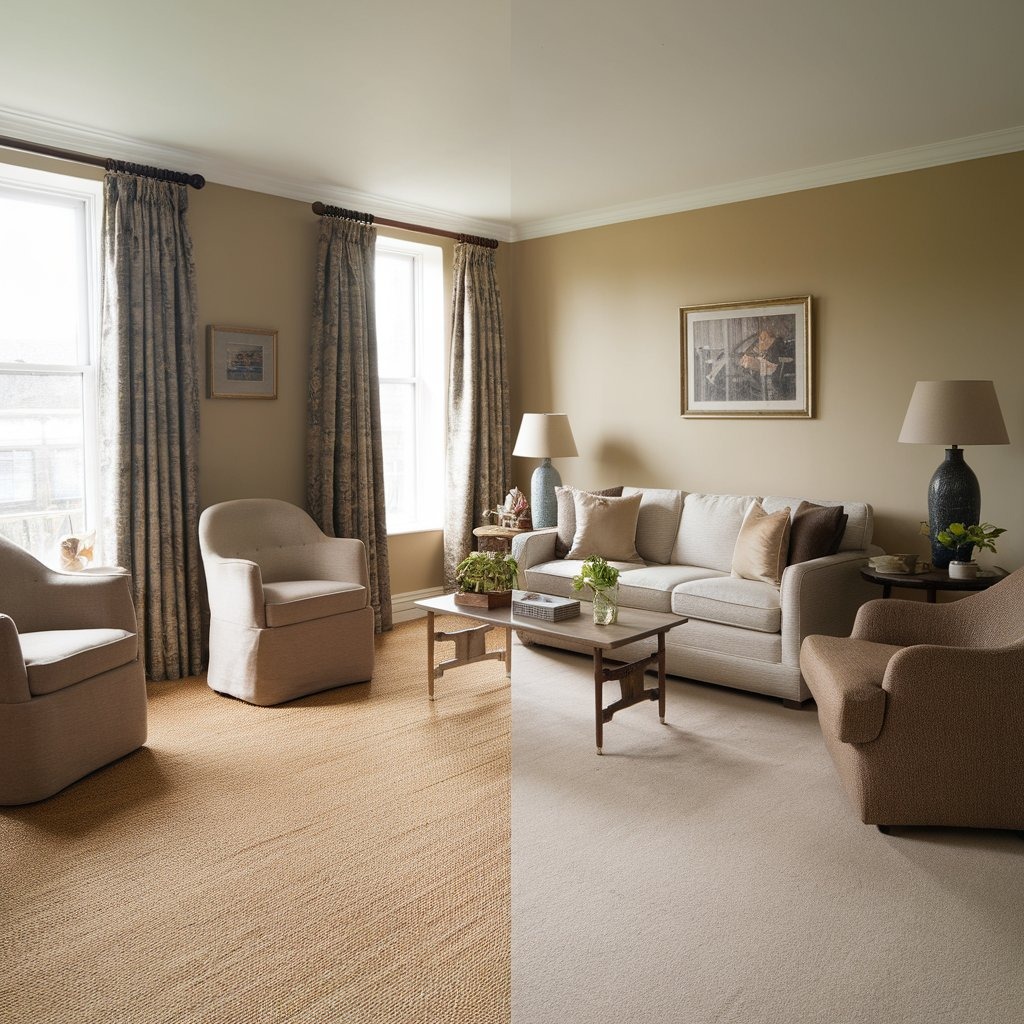
Persistent dents usually indicate deeper compression involving the underlay. In these cases, professional techniques such as targeted reworking of the pile or re-stretching may be required. These methods fix carpet indentations properly, restoring both appearance and comfort without needing replacement.
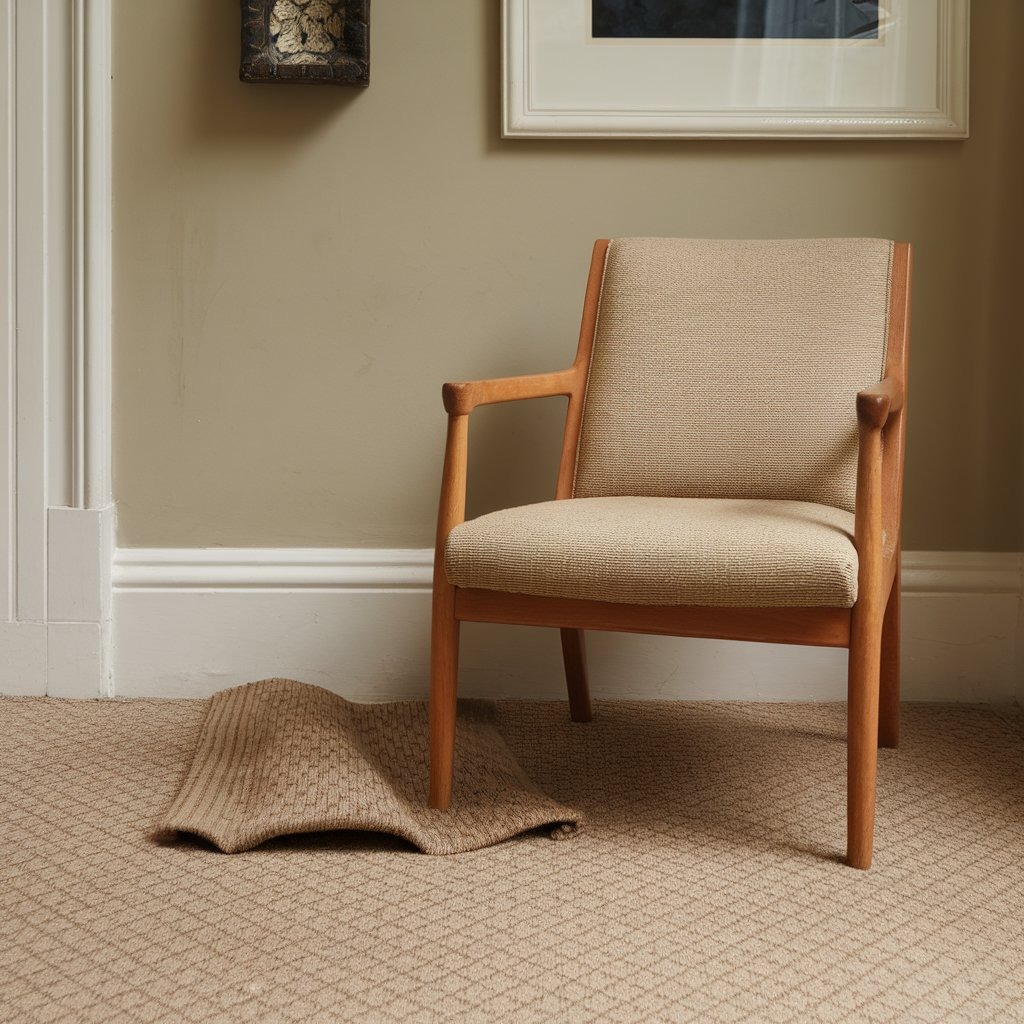
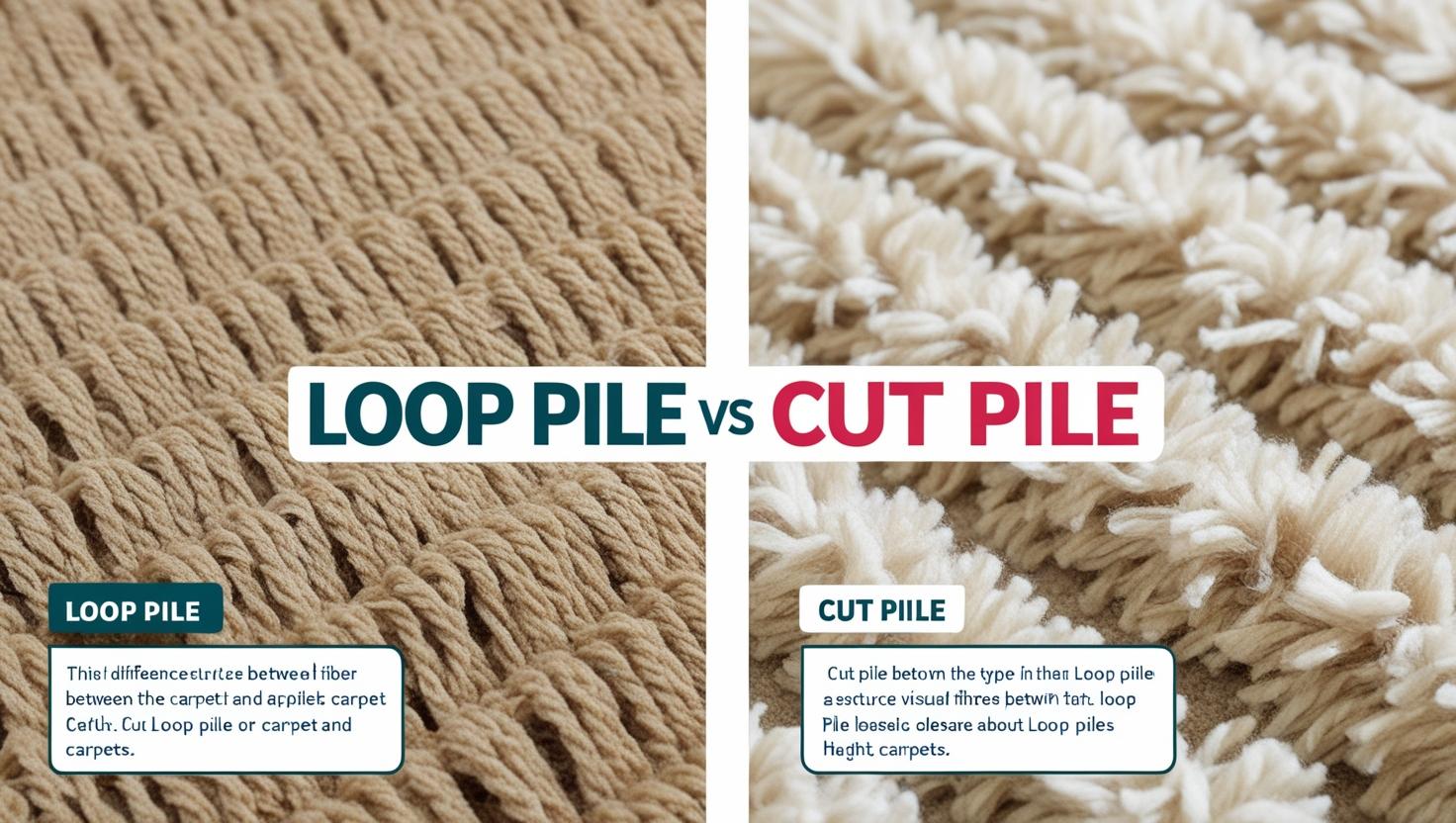
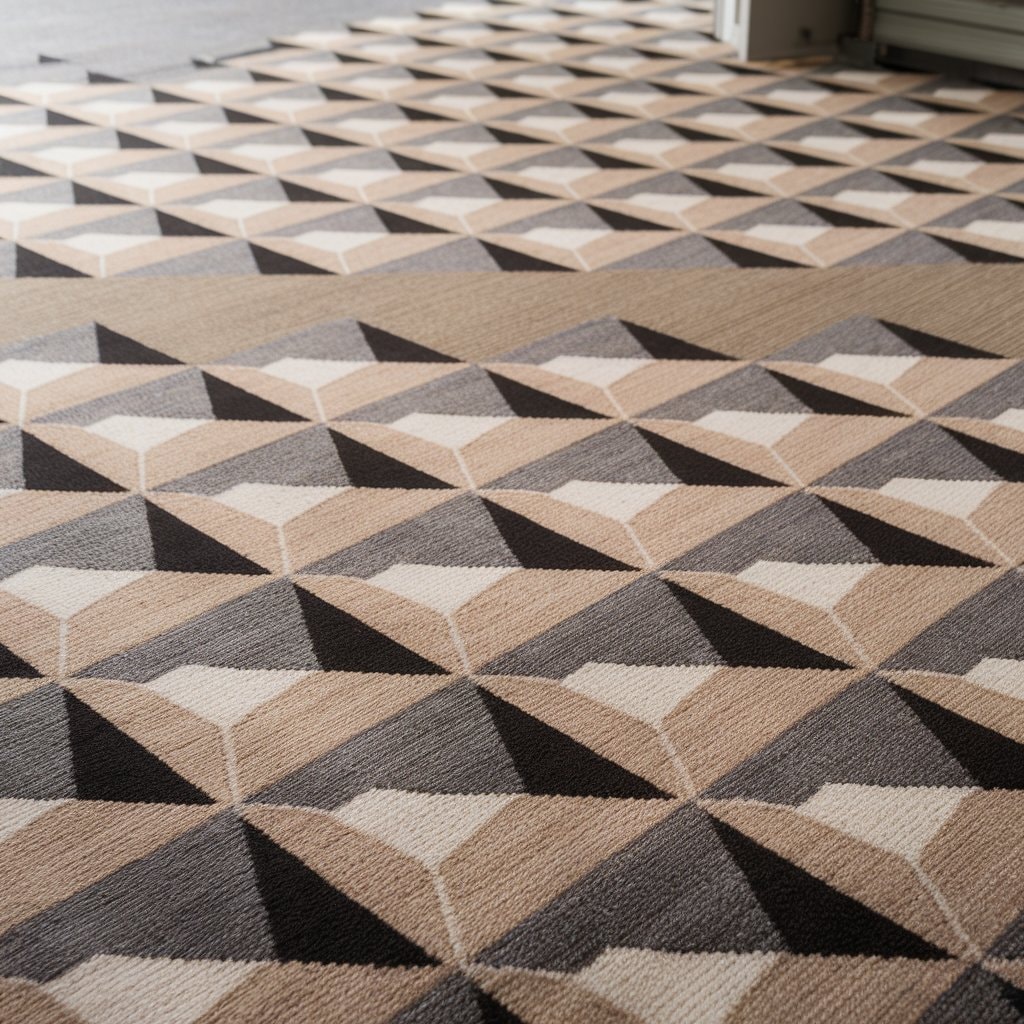
Different carpets respond differently to pressure. Wool carpet dents may recover more slowly due to dense natural fibres, while berber carpet dents and berber carpet indentations can be more visible because of looped construction.
Structured carpets need careful handling:
Professional guidance ensures the correct method is used to remove carpet dents without damage.
Regular maintenance helps prevent long-term marks. Carefully vacuum carpet indentations helps lift fibres and encourages even wear.
Good carpet care tips include:
These habits help reduce future impressions and support long-lasting performance.
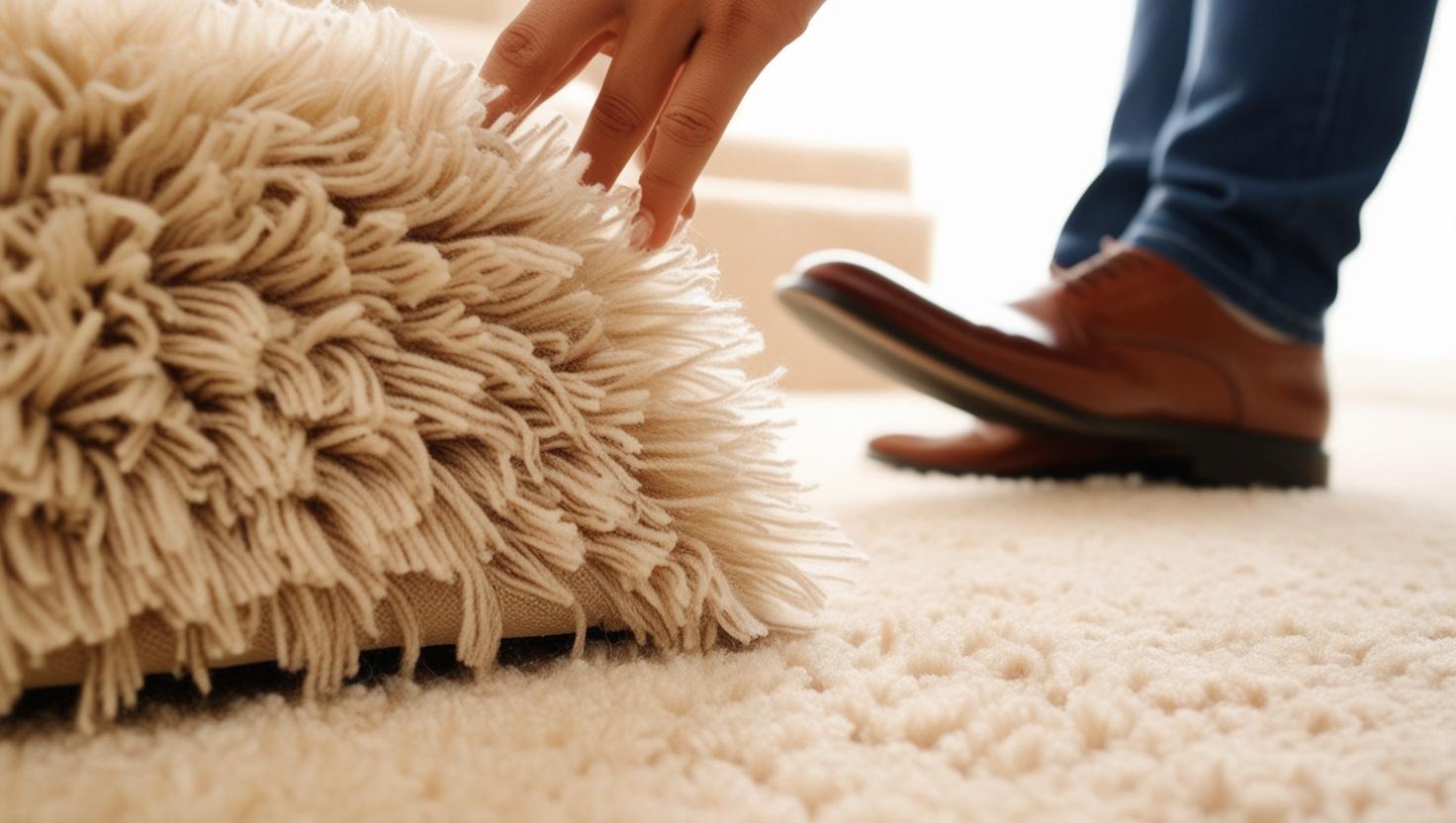
A common question is, can you put furniture on newly laid carpet straight away? Freshly installed carpet needs time to settle and adapt to room conditions.
Placing heavy furniture too soon can cause early carpet dents. Allowing the carpet to acclimatise helps fibres retain resilience and reduces the risk of permanent impressions.
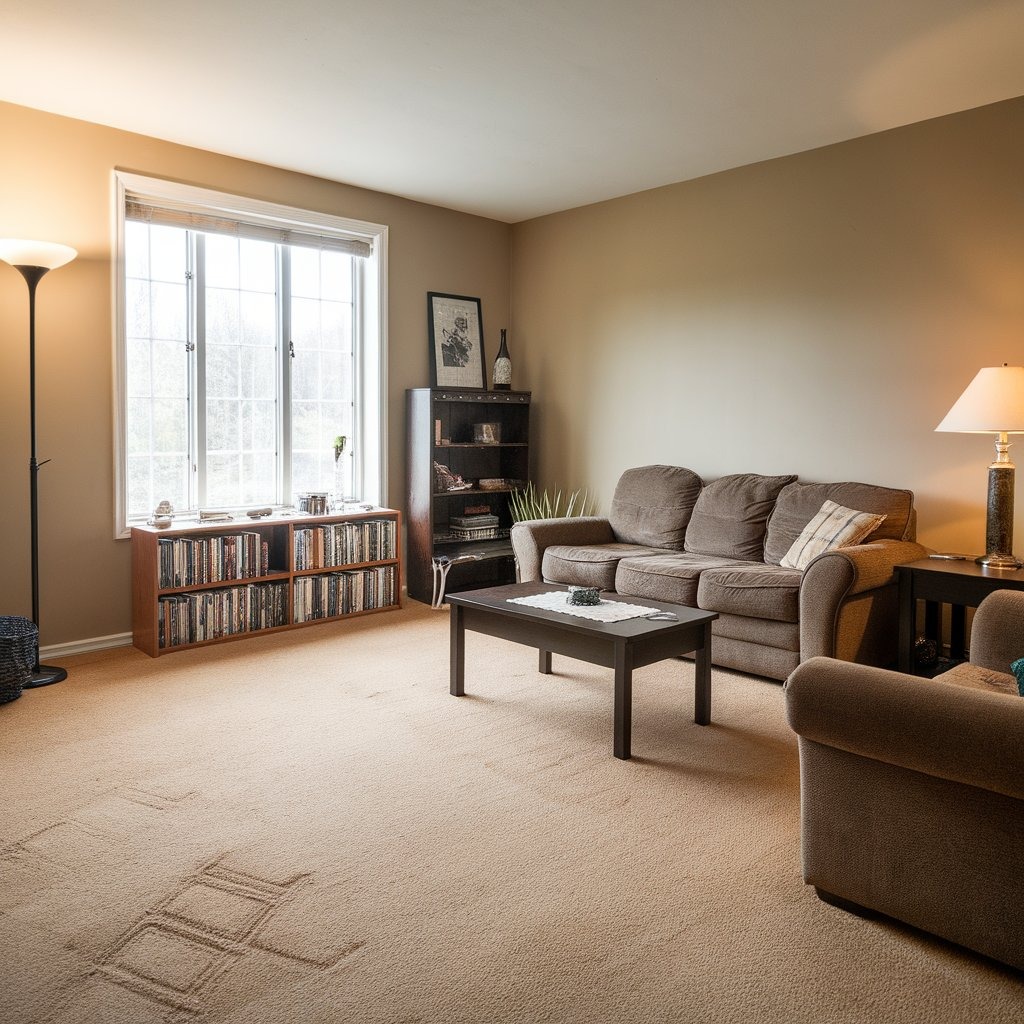
Preventing damage is often easier than fixing it. Learning how to stop furniture marks in carpet helps preserve appearance and comfort.
Effective prevention includes:
These steps protect against carpet dents becoming a recurring issue.
Furniture marks are a common issue, but they don’t have to be permanent. With the right care, gentle techniques, and professional support when needed, carpets can recover their shape and comfort. Addressing indentations early protects both appearance and longevity. Floor Coverings Local offers tailored flooring care and repair solutions designed to help carpets remain smooth and well maintained over time. Book your consultation today to explore safe, effective flooring solutions for your home or business.