Flooring is one of the most significant investments you will make in any property, yet it is also one of the areas where mistakes are most common and most costly to put right. Many common flooring mistakes are entirely avoidable with the right preparation and knowledge beforehand. Whether you are laying laminate in a semi-detached family home, fitting vinyl in a rental flat, or replacing carpet throughout a Victorian terrace, understanding where installations typically go wrong will help you achieve a result that performs well and lasts for years without unnecessary expense.
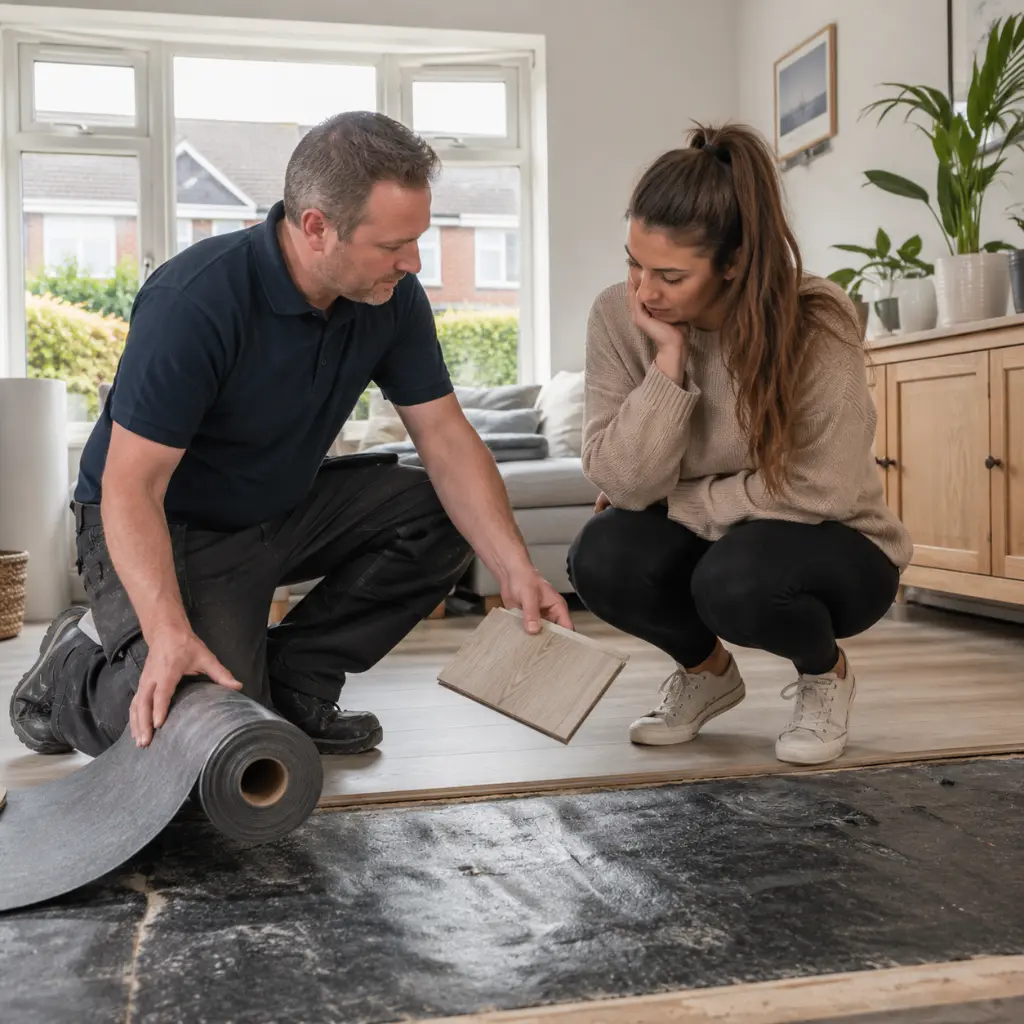
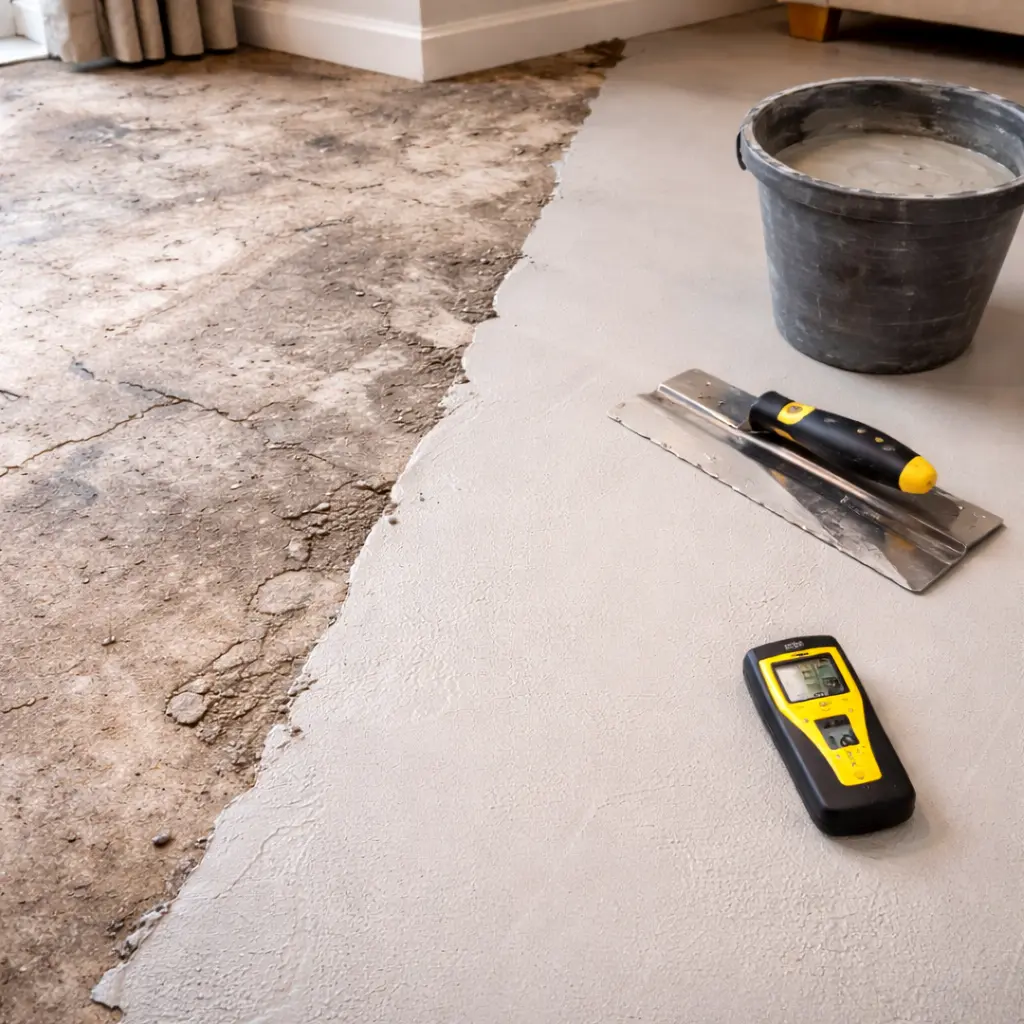
Of all the flooring installation mistakes made in UK homes, poor subfloor preparation causes the most lasting damage. No flooring product, regardless of quality or cost, will perform well on a surface that has not been properly assessed and prepared. An uneven, damp, or structurally compromised subfloor will create problems that only become apparent after installation, including persistent creaking, visible movement between boards, lifting edges, and accelerated wear in areas of regular foot traffic.
Before any flooring is fitted, the subfloor should be assessed for levelness, structural soundness, and moisture levels. Damp is a particular concern in older properties, where solid ground floors and poorly ventilated rooms are more vulnerable to moisture ingress during the colder, wetter months. Any issues identified at this stage must be fully resolved before a single board or tile is laid. Attempting to install over a compromised subfloor is the single most reliable way to guarantee problems down the line.
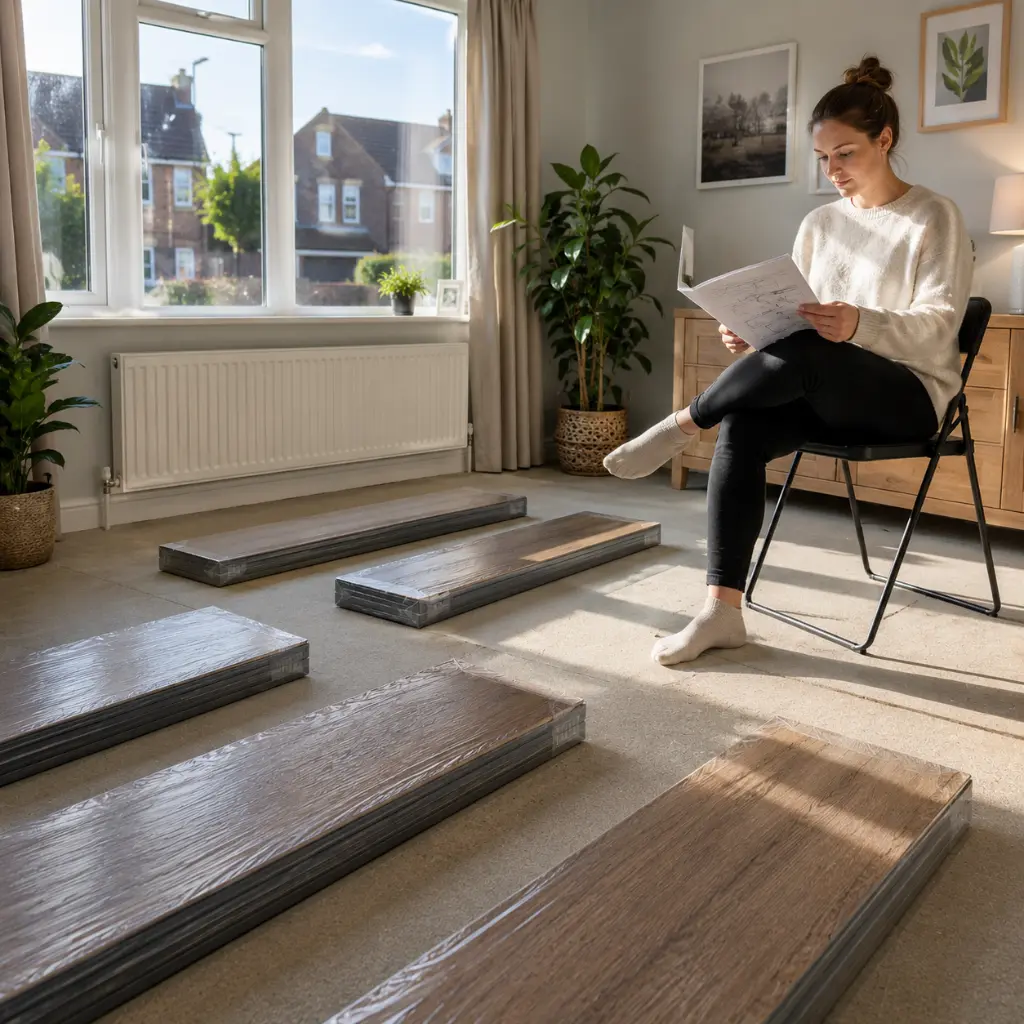
Failing to allow flooring materials adequate time to acclimatise to the room before fitting is one of the most frequently overlooked laminate floor installation mistakes, and one of the most preventable. Laminate, vinyl, and wood-based products all respond to the ambient temperature and humidity of the space they will occupy. Fitting boards directly from a cold delivery vehicle into a warm, heated room without allowing them to settle leaves the material highly vulnerable to expansion and movement once the heating is in regular use.
Most manufacturers specify a minimum acclimatisation period before installation can begin. The requirement costs nothing to meet beyond leaving the product in the room for the recommended time. Bypassing this step to accelerate the job is a false economy that regularly produces a floor that buckles, develops visible gaps, or suffers joint separation within the first few weeks of use, particularly in homes with underfloor heating or rooms that experience significant seasonal temperature shifts.
Every floating floor installation requires a perimeter expansion gap to allow the material to expand and contract naturally in response to changes in temperature and humidity. This applies to laminate, luxury vinyl, and engineered products without exception, and the requirement is clearly specified in every reputable manufacturer's installation guidelines.
Flooring that buckles or lifts away from the wall is almost always the result of insufficient expansion gaps, whether they were never left in the first place or were closed off by skirting boards, door frames, or heavy furniture positioned directly against the wall. The gap itself is concealed beneath the skirting once the installation is complete and has no visible impact on the finished result. Its absence, however, will become very apparent during warmer months or in rooms where underfloor heating drives regular thermal movement through the floor surface.
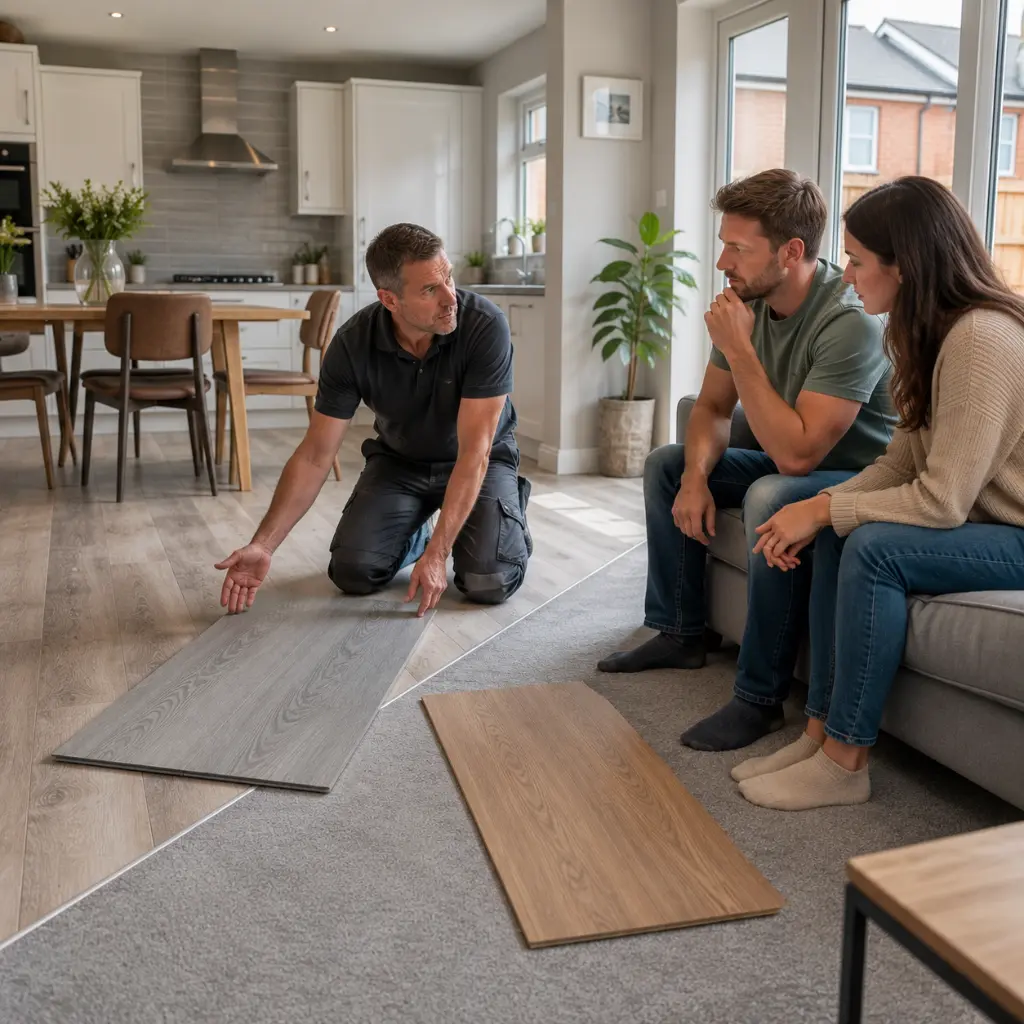
Selecting a floor covering purely on the basis of how it looks in a showroom or an online photograph is one of the most common flooring selection mistakes homeowners make, and one that frequently leads to premature replacement. A material that looks striking in isolation may be entirely wrong for the room it is being installed in. Busy hallways in family homes, kitchen floors that deal with regular spillages, and ground-floor rooms in properties that face moisture and heavy daily use all place demands on flooring that an attractive finish alone cannot meet.
Wear rating, moisture resistance, surface durability, and ease of maintenance should all be considered alongside visual appeal. Vinyl flooring is an excellent practical choice for kitchens, bathrooms, and utility areas, offering water resistance and straightforward maintenance without compromising on appearance. Laminate suits living rooms and dining areas where a wood finish is desired with everyday durability. Carpet remains a comfortable and practical option for bedrooms and lower-traffic spaces, particularly when carpet pile height and overall carpet thickness are chosen appropriately. Matching material to function is how flooring investment is protected over the long term.
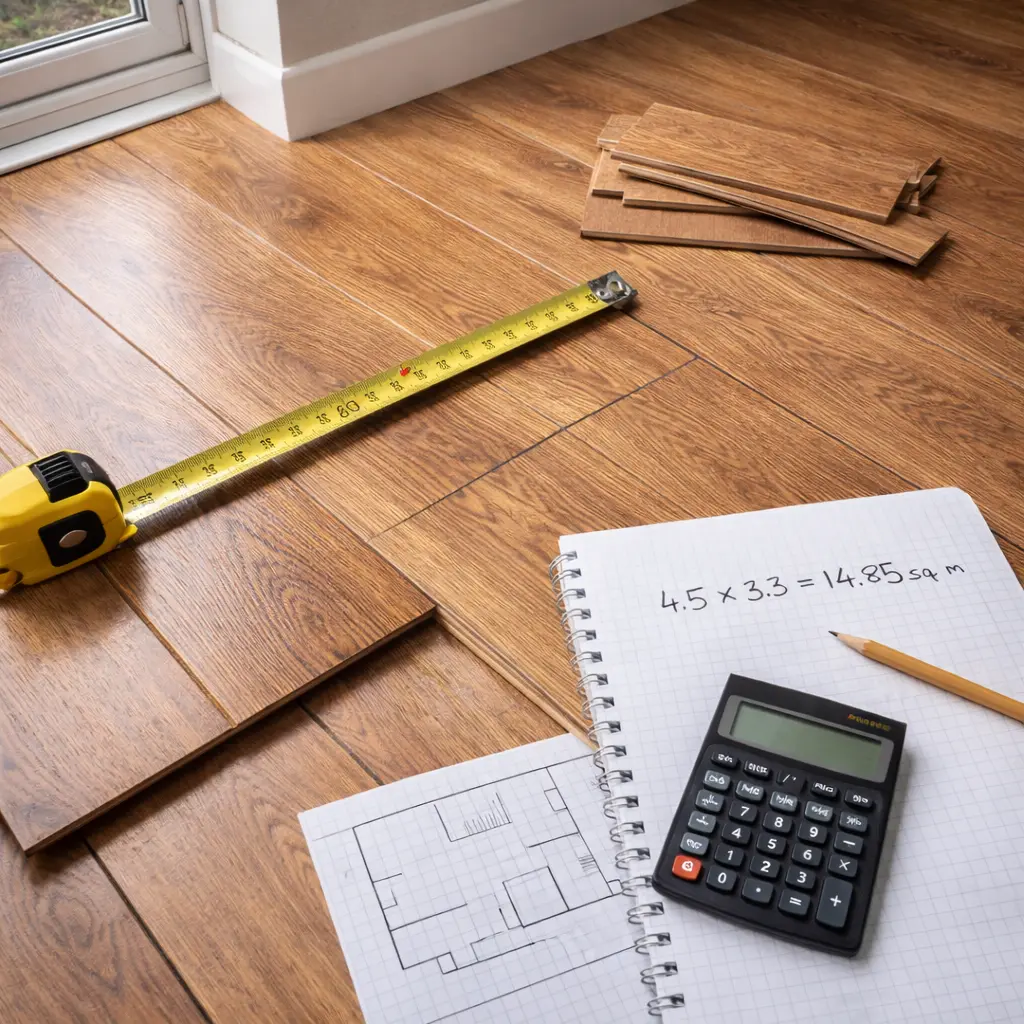
Measurement errors create problems at both ends of the scale. Underestimating the quantity of material needed can leave an installation short with no remaining stock from the same production batch, making a consistent finish across the room impossible to achieve and overestimating without accounting for a practical cutting allowance results in unnecessary material waste and higher costs that could easily have been avoided with careful planning.
UK rooms are rarely perfectly square. Bay windows, alcoves, chimney breasts, and irregular doorways all add complexity to an accurate floor area calculation. Pattern matching on certain carpet and vinyl products adds a further consideration. Taking the time to measure thoroughly and order a sensible, calculated surplus ensures the installation can be completed consistently and without avoidable interruptions mid-project.
Underlayment is not a secondary consideration or a detail to economise on. The wrong product beneath your flooring will affect acoustic performance, thermal insulation, moisture protection, and how the finished floor feels underfoot. Specifying a thick foam underlay beneath a laminate in a room with underfloor heating, for instance, will act as an insulating barrier and prevent heat from reaching the room above, undermining the heating system entirely.
Each flooring type has specific underlayment requirements, and the correct product should always be selected in line with the flooring manufacturer's recommendations. This is equally true for carpet, laminate, and vinyl installations. Using the wrong underlay can affect both the performance of the floor and the validity of the product warranty, which is a risk not worth taking on any installation.
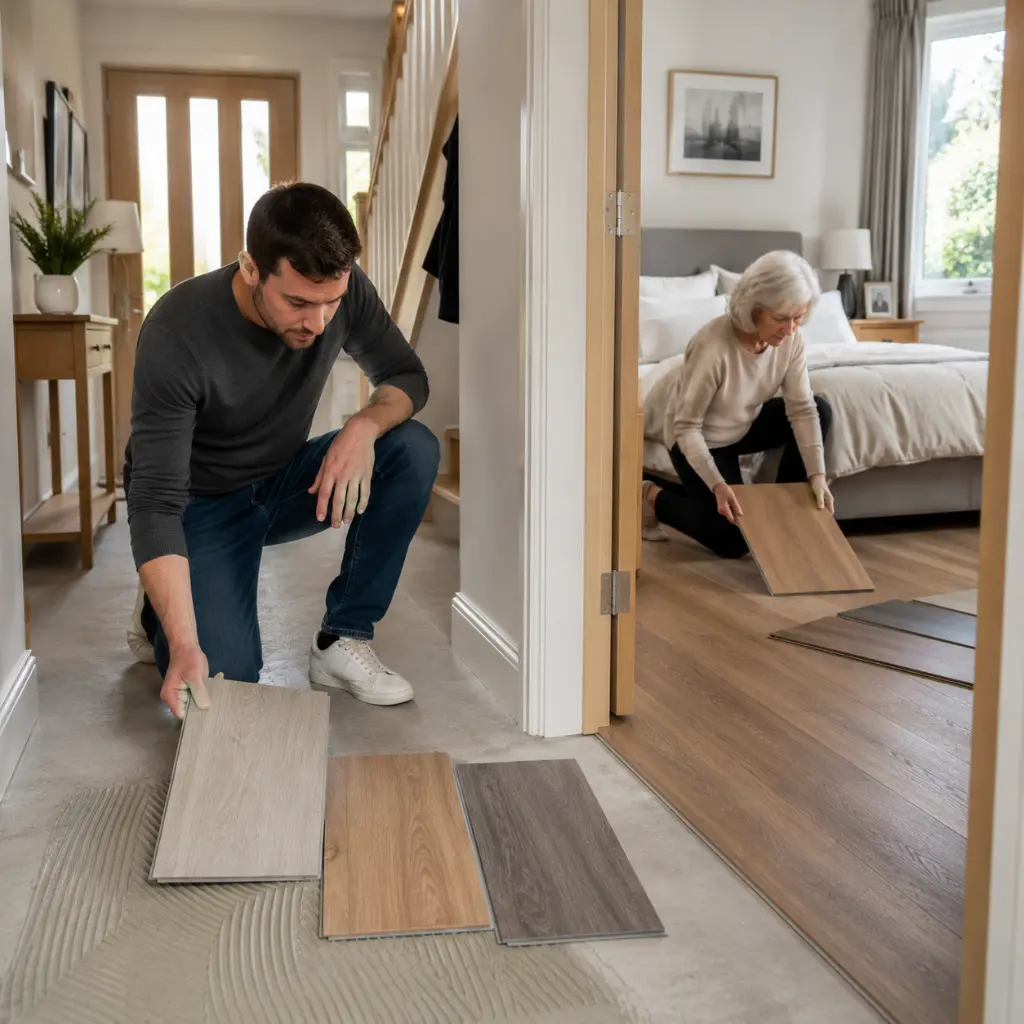
Door bars, threshold strips, and perimeter trims are the details that distinguish a professional flooring installation from an unfinished one. These components manage the meeting point between different floor surfaces, protect exposed edges from lifting, and give the entire installation a clean, complete appearance. They also serve a practical function, reducing trip hazards at thresholds and preventing edge damage in doorways that receive constant foot traffic.
Planning transition points before installation begins, rather than treating them as an afterthought at the end of the job, produces a far better result. This is particularly important in properties where different flooring materials meet across open plan spaces or connected hallways, which is increasingly common in UK homes undergoing renovation or full refurbishment.
Selecting a flooring fitter purely because they submitted the lowest quote is a common DIY flooring error that homeowners frequently come to regret. A quote that appears attractive on paper but excludes subfloor preparation, waste removal, finishing trims, or moving furniture will accumulate additional costs quickly once work is underway. Beyond the financial risk, an inexperienced or uninsured installer can cause damage to the property, install flooring incorrectly, and void manufacturer warranties, all of which create far greater expense than any initial savings justified.
Transparency, experience, and clear communication are the qualities that matter most when choosing a flooring contractor. If you are planning an installation and want the work carried out properly from the outset, Floor Coverings Local provides professional fitting services across the UK for carpet, laminate, vinyl, and carpet tile, with clear, itemised pricing and no hidden costs.
Avoiding common floor installation problems comes down to preparation, the right materials, and experienced workmanship at every stage. From thorough subfloor assessment and correct acclimatisation through to accurate measurement, appropriate underlay, and quality finishing, each element of a flooring installation contributes to the overall result. Cutting corners at any stage creates problems that are consistently more disruptive and expensive to resolve than the time or money saved in the first place. For flooring installation carried out properly from start to finish, contact Floor Coverings Local today.