Choosing the right carpet involves considerably more than picking a colour or texture you like the look of. Thickness plays a central role in how a carpet feels underfoot, how long it lasts, and how well it performs in the room it is fitted in. From busy hallways in family terraced houses to quiet bedrooms in new build flats, carpet thickness affects comfort, durability, thermal insulation, and long-term value in ways that are genuinely worth understanding before you commit to a purchase. For those exploring options locally, this guide to carpet and flooring solutions offers further insight into choosing the right fit for your space.
Carpet thickness refers to the height of the pile, which is the depth and density of the fibres that form the surface of the carpet. It is typically measured in millimetres and varies considerably across different carpet types and construction methods. Thickness is not simply an indicator of softness or luxury. It directly influences how the carpet performs under daily foot traffic, how well it insulates a room against cold and noise, how easily it can be maintained, and how it responds to furniture weight over time.
A thicker carpet placed in the wrong location will mat down quickly and become difficult to keep clean. A carpet that is too thin for a bedroom will feel cold underfoot and fail to deliver the comfort the room calls for. Selecting the right thickness for each space in your home is what genuinely good carpet planning looks like in practice.
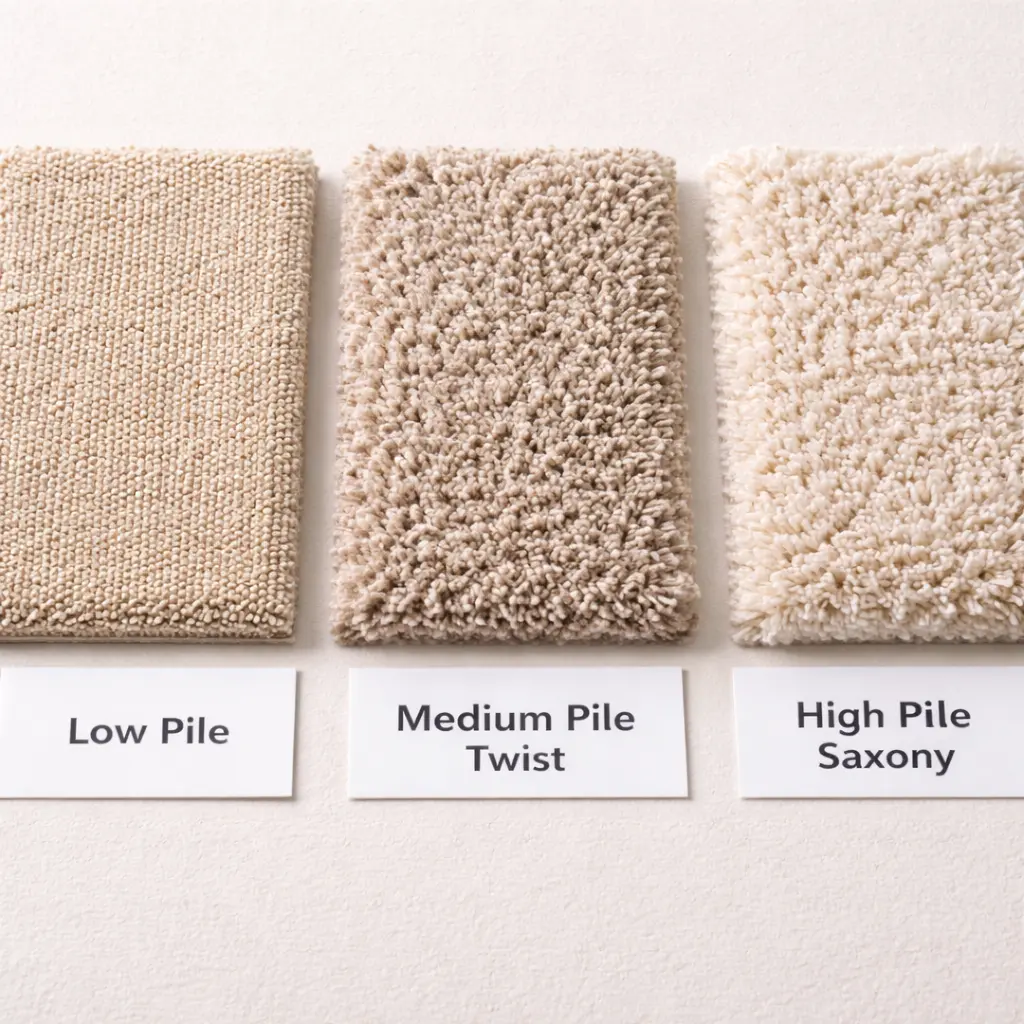
Low pile carpets have a shorter, denser fibre construction that makes them highly practical for the busiest areas of any home. They resist the flattening and matting that affects softer products in high traffic locations, clean easily, and hold their appearance well under sustained daily use. Hallways, staircases, and areas adjacent to kitchens in family homes benefit considerably from a low-pile option built to withstand heavy foot traffic without deteriorating quickly. Popular low-pile options include Berber carpets, loop-pile carpets, and carpet tiles, all of which offer reliable durability and easy maintenance in demanding locations.
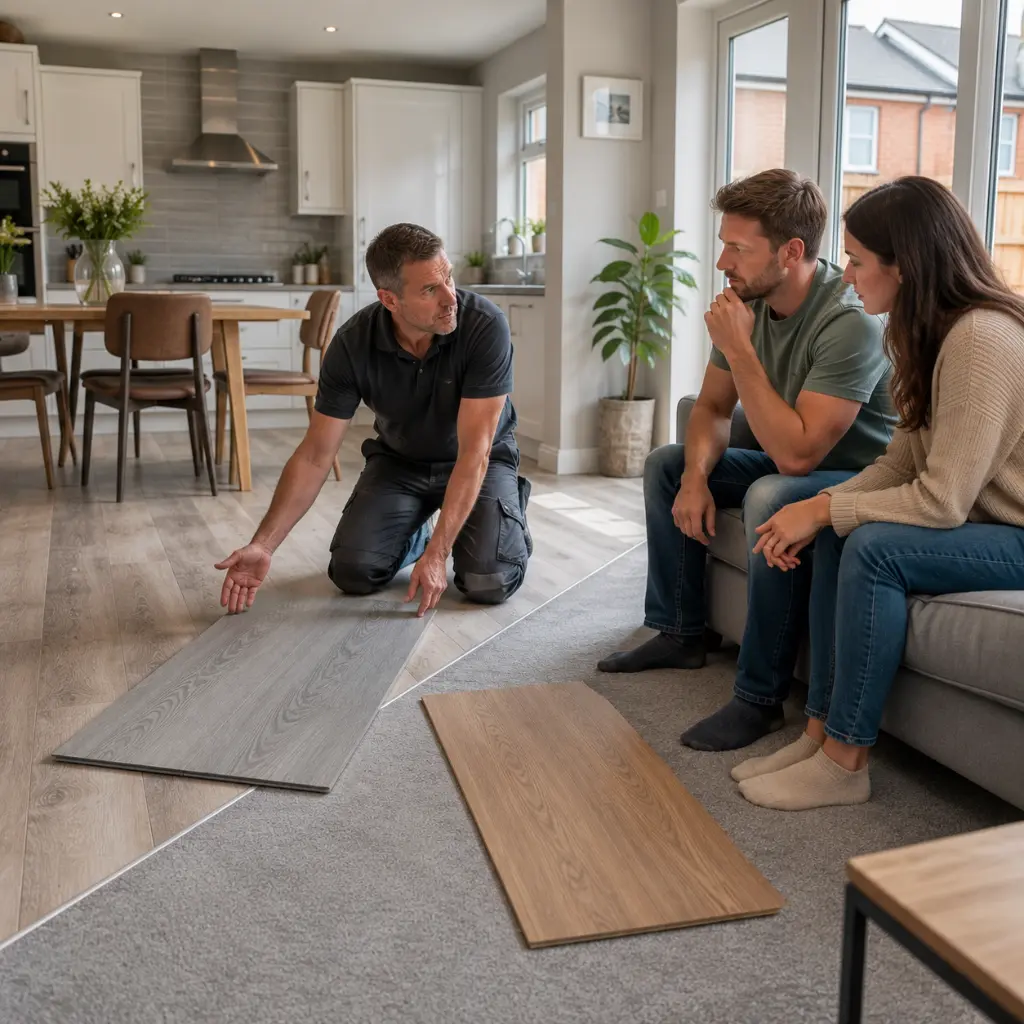
Medium pile sits comfortably between practicality and comfort, which is why it remains one of the most widely chosen options in UK residential properties. It suits living rooms, dining areas, and home offices well, offering a noticeably warmer feel underfoot than a low pile without the maintenance demands associated with deeper, softer constructions. For most homeowners, medium pile represents the most balanced and versatile choice across the majority of rooms in the property. Twist carpets and tweed carpets are both well-suited to this category, combining a practical construction with a warm, textured finish that works across a wide range of interior styles.
High pile and plush carpets, including Saxony and deep shag constructions, deliver a genuinely soft and luxurious feel underfoot that lower pile products cannot replicate. These carpets are best suited to lower traffic spaces such as bedrooms and formal sitting rooms, where comfort is the primary consideration rather than durability under sustained use. In a master bedroom of a semi-detached home or a quiet guest room in a Victorian property, a thicker and softer carpet adds real warmth and character to the space.
Saxony carpet and wool carpet are both strong choices in this category, with wool in particular offering natural softness, excellent resilience, and a premium feel that suits quieter rooms well. High pile carpet is more susceptible to crushing under heavy furniture and requires more attentive maintenance to keep its appearance.
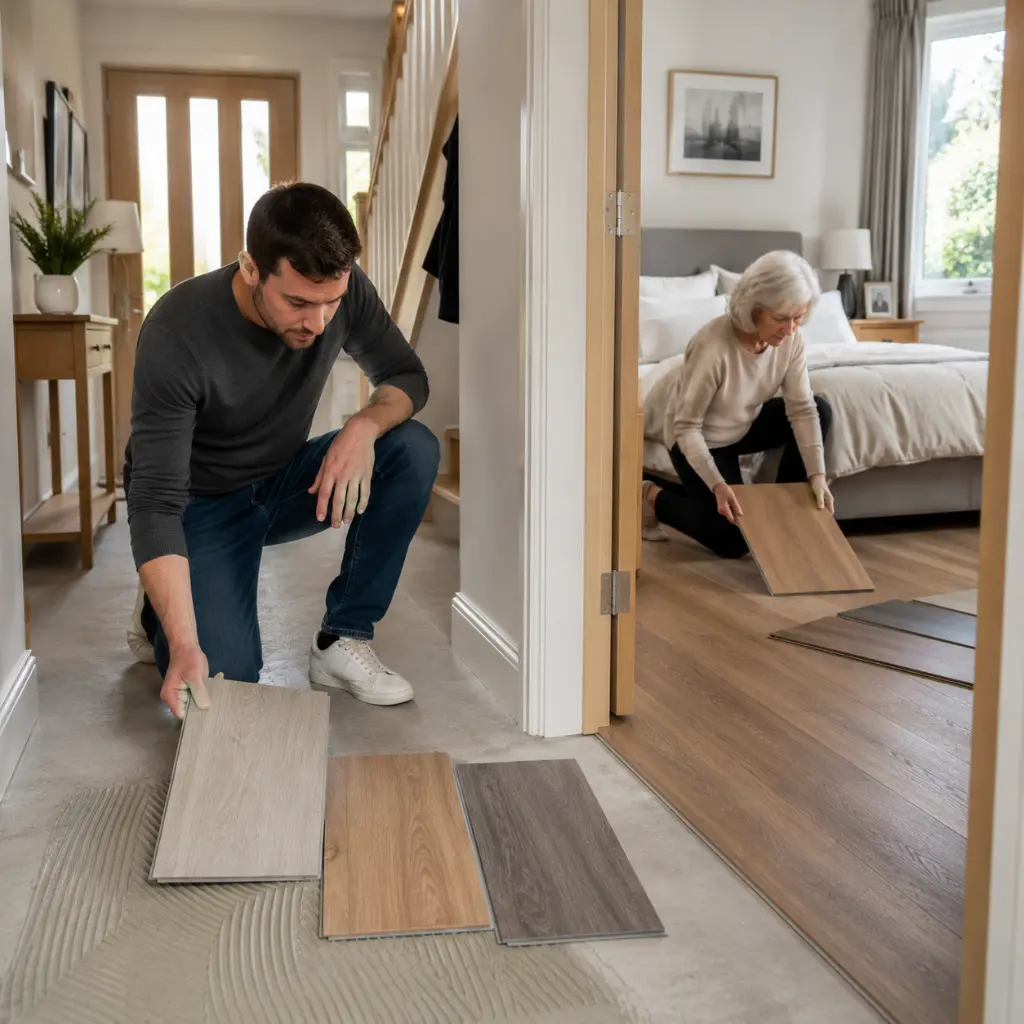
Hallways and staircases are the highest traffic areas in any UK home and need a carpet that prioritises durability and resilience above all else. A low to medium pile carpet with a dense, hard-wearing construction is the most sensible choice for these spaces. Deep pile options will flatten quickly under constant foot traffic and become considerably harder to maintain in good condition over time.
A medium pile carpet performs well in living spaces, providing everyday comfort while remaining practical enough to clean and maintain. In rooms used regularly by children or pets, a denser and slightly lower pile product will hold up better over time without sacrificing the warmth and softness that makes a carpeted living room genuinely inviting.
Bedrooms are where a thicker, softer carpet earns its place most convincingly. Whether it is a master bedroom in a family semi-detached or a child's room in a new build estate, a medium to high pile carpet adds warmth, absorbs sound effectively, and creates a noticeably more comfortable environment for a room designed around rest. The combined thickness of carpet and underlay for bedrooms can be more generous than in other parts of the property, as foot traffic is lower and comfort is the primary requirement.
A medium or lower pile carpet suits a home office well, particularly in rooms where a desk chair on castors is used regularly. Deep pile carpets and wheeled office chairs are not a practical combination. A denser, flatter construction will serve the room far better daily and require considerably less maintenance to keep in good condition.
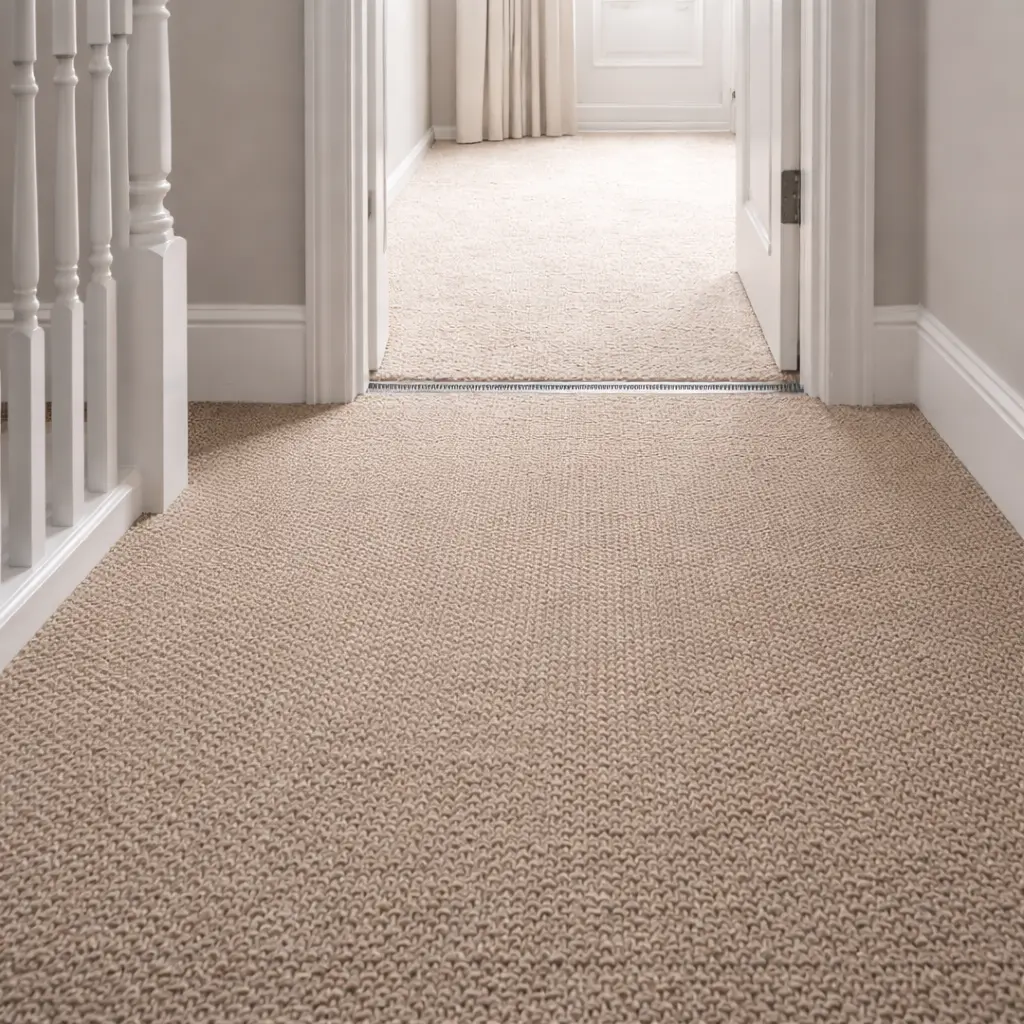
Carpet pile height in residential properties typically ranges from around 5mm for low pile products up to 20mm or more for deep pile or shag styles. When combined with underlay, this creates the total floor build-up, which directly affects door clearance and transitions between rooms.
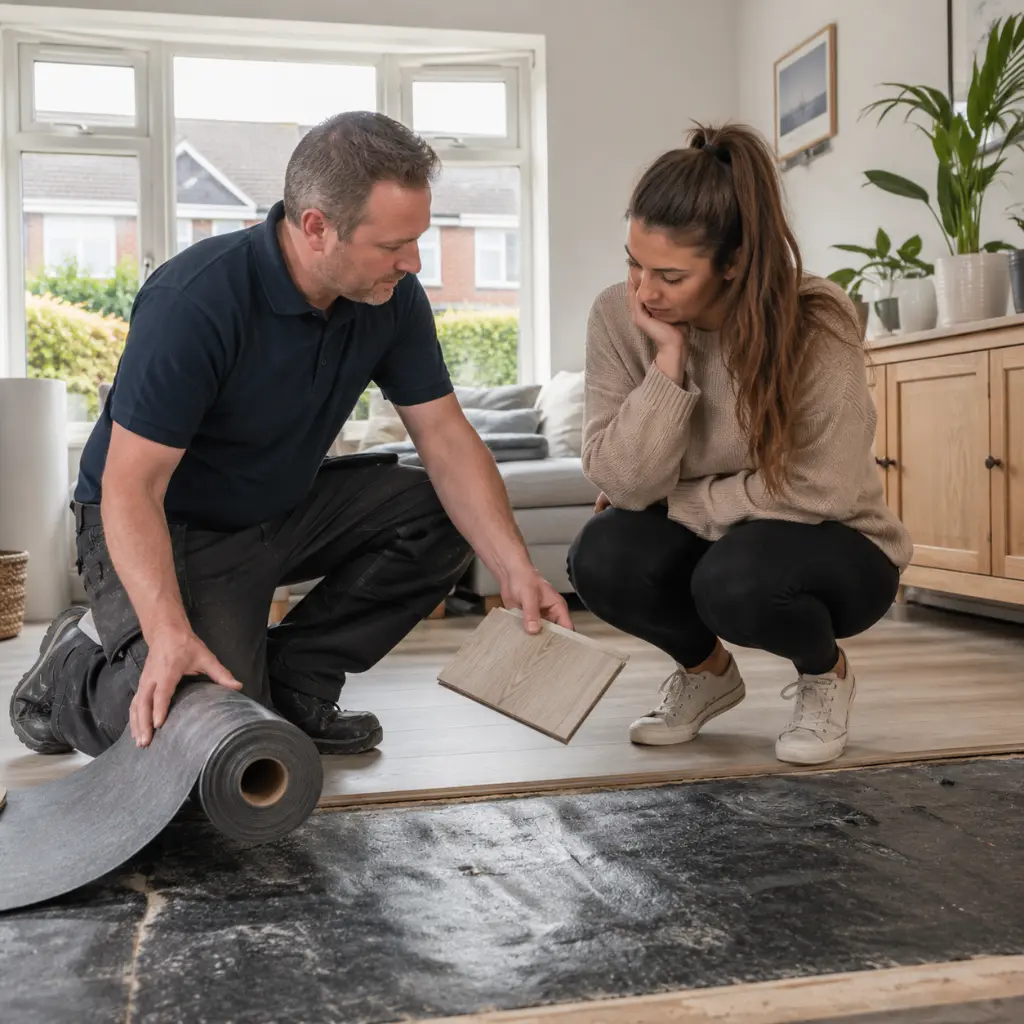
In most UK homes, the combined thickness is designed to work within standard door clearances. However, in older properties such as terraced or Victorian homes, floor levels and door heights can vary, so checking measurements before installation is essential. Overlooking this step is a common issue, as incorrect floor height allowances can lead to unnecessary adjustments after fitting.
Underlay plays a key role in overall performance and should not be overlooked. A good-quality underlay improves comfort underfoot, enhances thermal insulation, reduces noise transfer, and helps extend the lifespan of the carpet.
Considering both carpet and underlay together ensures the flooring performs well while fitting correctly within the space.
Getting carpet thickness right is not a complicated process, but it does require honest thought about how each room in your home is actually used day to day. The right choice looks after itself for years. The wrong one creates frustration long before it needs replacing. Taking the time to speak to an experienced flooring specialist before purchasing removes the guesswork entirely and ensures every room in your property gets exactly what it needs. Contact Floor Coverings Local today for straightforward advice and professional fitting you can rely on.