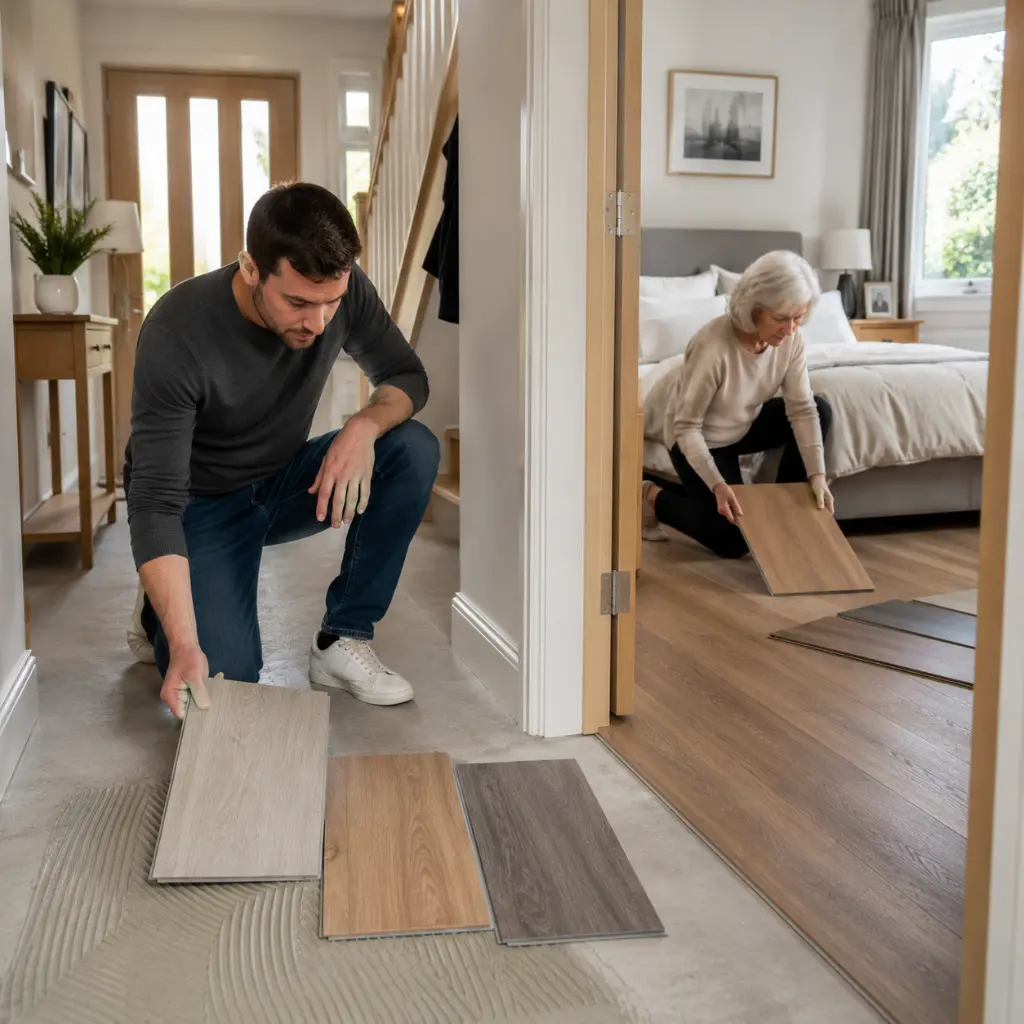
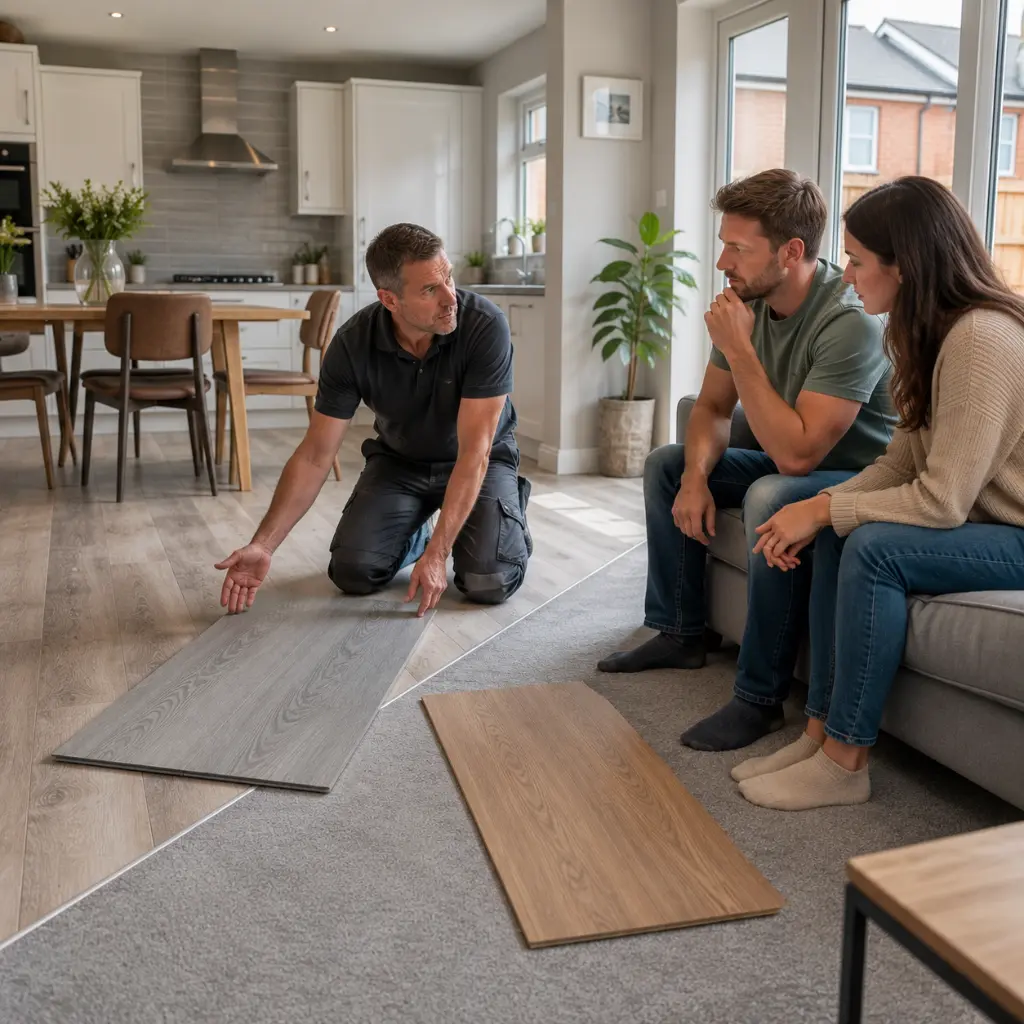
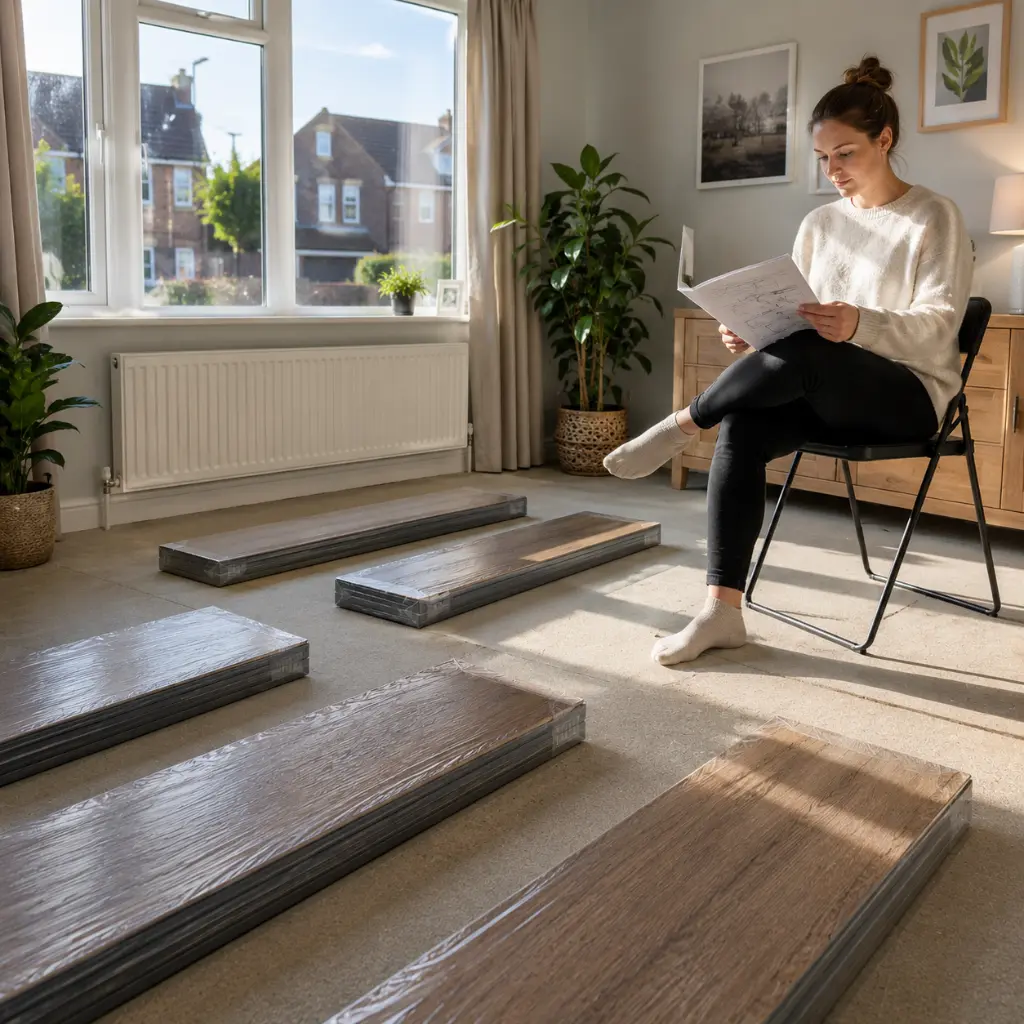
Most homes do not need the same floor in every room. They need the right flooring in each one. Mixing flooring types between rooms is one of the more practical design decisions a UK homeowner can make, and when it is done with care, the result feels considered rather than compromised. The challenge is knowing which combinations hold together visually, where transitions should fall, and how to stop the whole thing from looking like an afterthought. This guide covers the decisions that matter most, so you can plan your project with confidence from the outset.
There is a practical logic to using different flooring materials in different rooms that goes beyond aesthetics. Kitchens and hallways take heavy foot traffic and are prone to moisture, making a hard surface the sensible choice. Bedrooms benefit from the warmth and softness that carpet brings, particularly during colder months. Living rooms often sit somewhere in between, where comfort and durability both matter.
Mixing flooring styles allows each room to be fitted with the material best suited to how it is actually used. In a semi-detached home or a Victorian terrace where rooms flow into one another, this approach makes genuine practical sense rather than forcing a single product to perform across very different conditions.
Different rooms have different demands, and the right material pairing addresses both practical performance and visual cohesion in equal measure.
Carpet remains the preferred choice for bedrooms and living areas, where warmth and comfort underfoot take priority. In higher-traffic zones such as hallways, kitchens, and dining areas, a resilient hard surface such as laminate, luxury vinyl tile, or engineered wood is far better suited to the daily wear these spaces endure. Where a carpeted bedroom adjoins a hard-floored landing or hallway, the transition naturally falls within the door frame, making it one of the least visible joins in the property.
In open-plan kitchen and living spaces, vinyl performs best in the cooking and utility zone, where moisture resistance is essential. At the same time, laminate or carpet handles the living and dining areas that connect to it. Both products sit at a comparable thickness, which simplifies transition management considerably. The joint should fall at a natural threshold, such as a doorway, a kitchen island line, or a structural break, rather than mid-room, where it will read as unplanned.
Neutral-toned tiles pair well with wood-effect laminate or plain carpet in spaces where a kitchen or bathroom opens onto a living area. A modestly scaled tile format suits the compact proportions typical of UK terraced and semi-detached homes, and keeping the colour palette consistent across both materials ensures the join feels deliberate rather than incidental.
Across all combinations, tonal harmony is the deciding factor. Selecting materials within the same colour family and paying close attention to warm versus cool undertones is what allows a mixed-flooring scheme to feel cohesive and considered throughout the home.
Getting the transitions, heights, and product compatibility right is where mixed flooring projects can go wrong without professional guidance. If you are planning a project, speak to Floor Coverings Local before you buy. We will assess your rooms, recommend combinations that work together, and handle the fitting so the finished result looks exactly as it should.
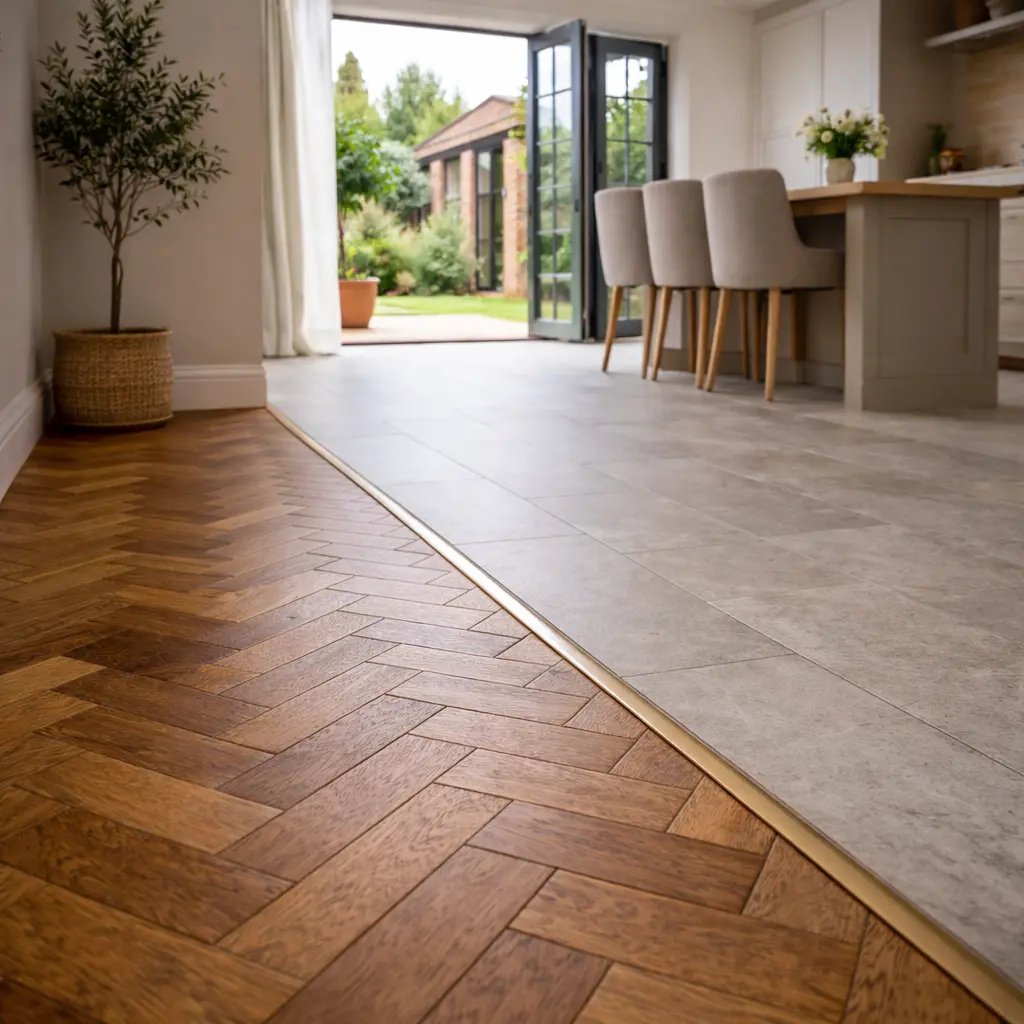
A poorly managed transition draws the eye for all the wrong reasons, while a clean and well-considered join feels almost invisible.
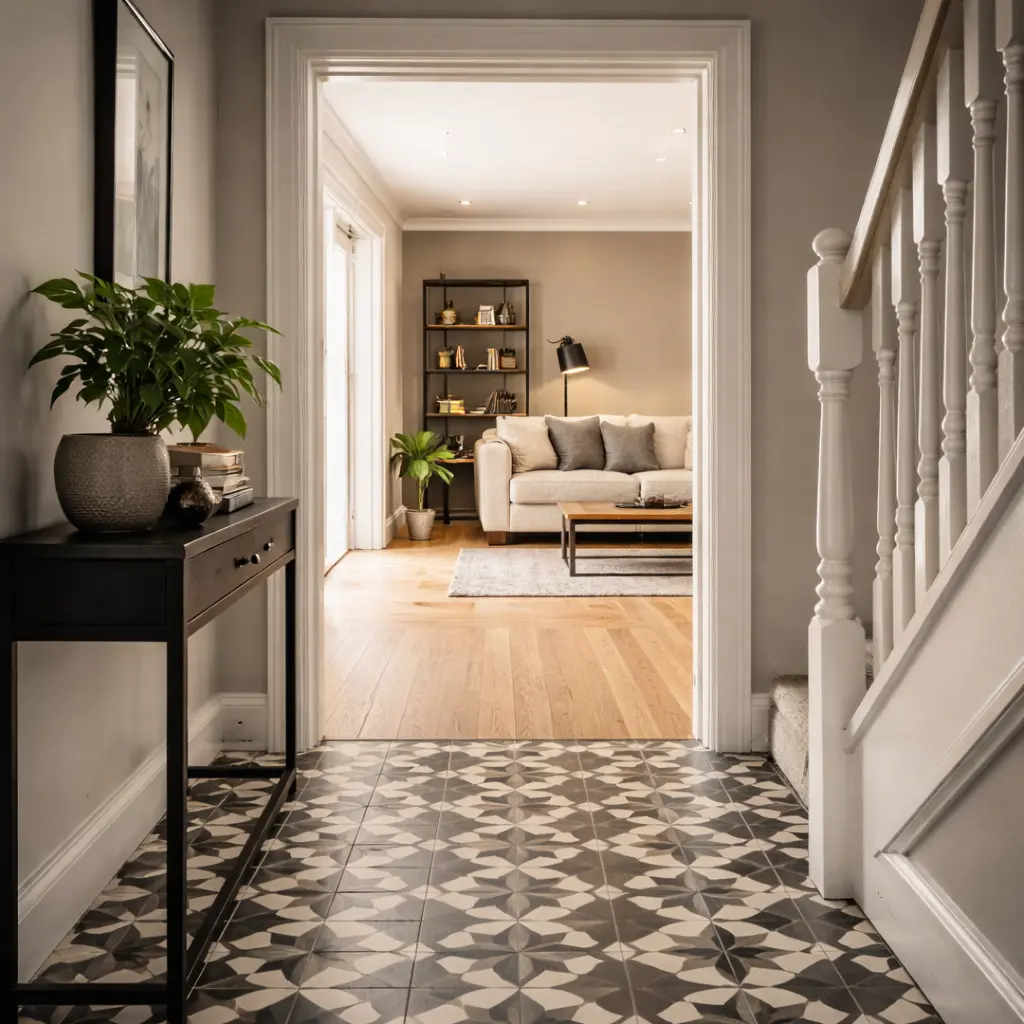
The type of transition strip you need depends on the height difference between the two floors and how the joint sits within the room layout.
Matching the strip finish to the flooring rather than the skirting board tends to give a cleaner result.
Flooring thickness compatibility needs to be considered at the planning stage, not once materials have arrived. The key points to work through are:
Underfloor heating is now standard in many UK new builds and increasingly common in renovated properties, and it directly affects which flooring materials you can use. Luxury vinyl tile conducts warmth efficiently and is generally well-suited to use above a heated circuit. Certain laminates are also compatible, though the product specification should always be checked. Carpet acts as an insulator and reduces heating efficiency, so where carpet is preferred in a room above underfloor heating, a low tog rating is worth prioritising. Getting this right at the planning stage saves considerable time and cost.
Mixing flooring types between rooms is not a compromise. It is a considered approach that, when planned properly, serves both the practical and visual needs of a home far better than one material ever could. The combinations that work best are those where each product earns its place, transitions are handled cleanly, and the overall palette holds together from room to room. Understanding the floor fitting timeline for each space also helps when planning different materials, ensuring installations are completed in the right order without disrupting the flow of your home.
Contact us today to start planning. We supply and fit carpets, laminate, vinyl, and carpet tiles across the UK, and we will make sure every join in your home is one you are proud of.